Last updated November 23, 2026
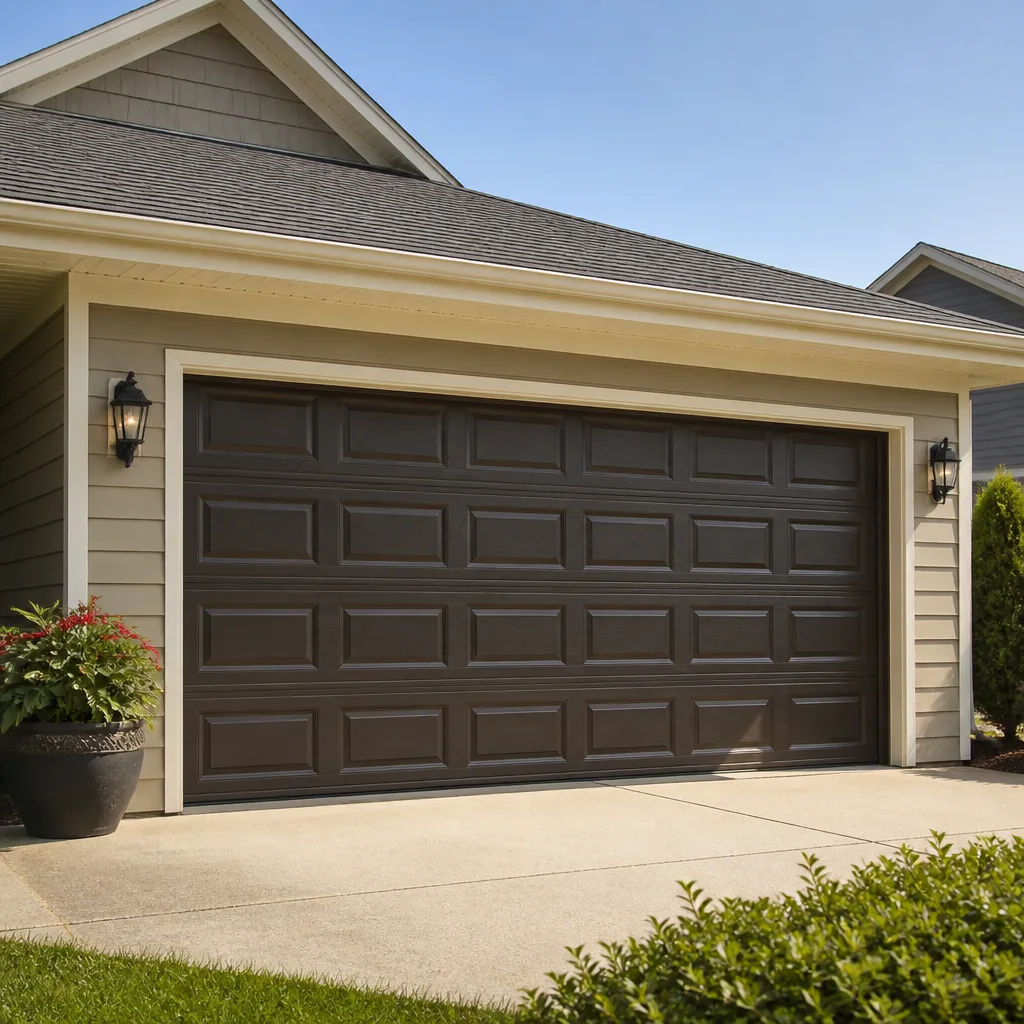 Raised-panel steel
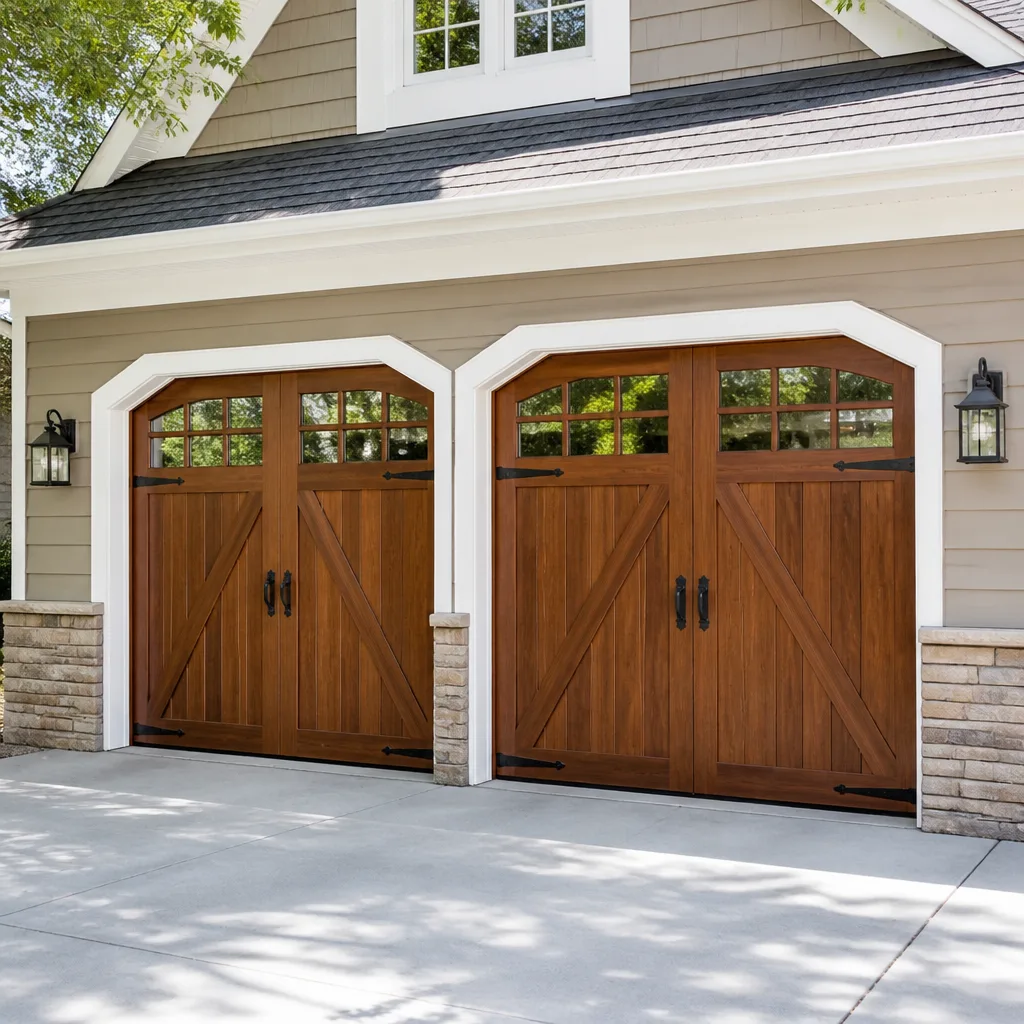 Carriage house
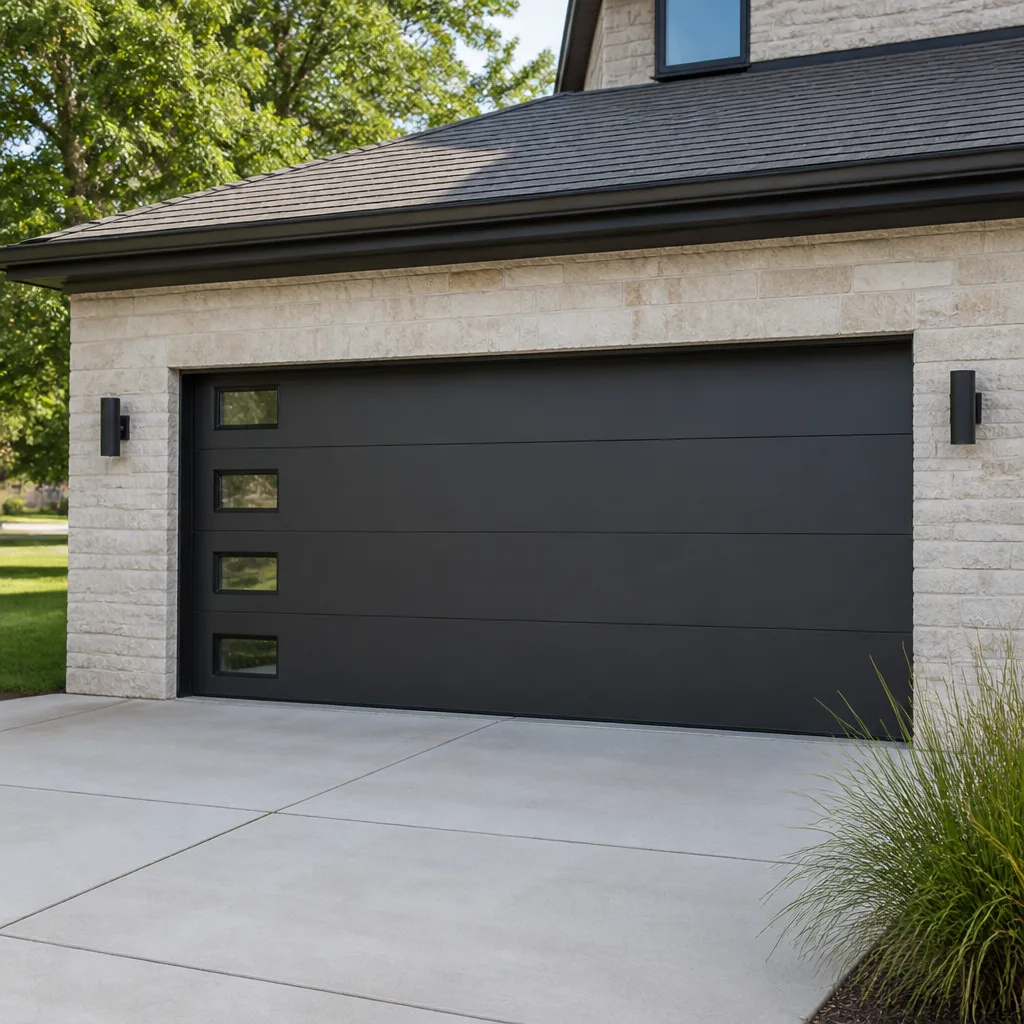 Modern flush
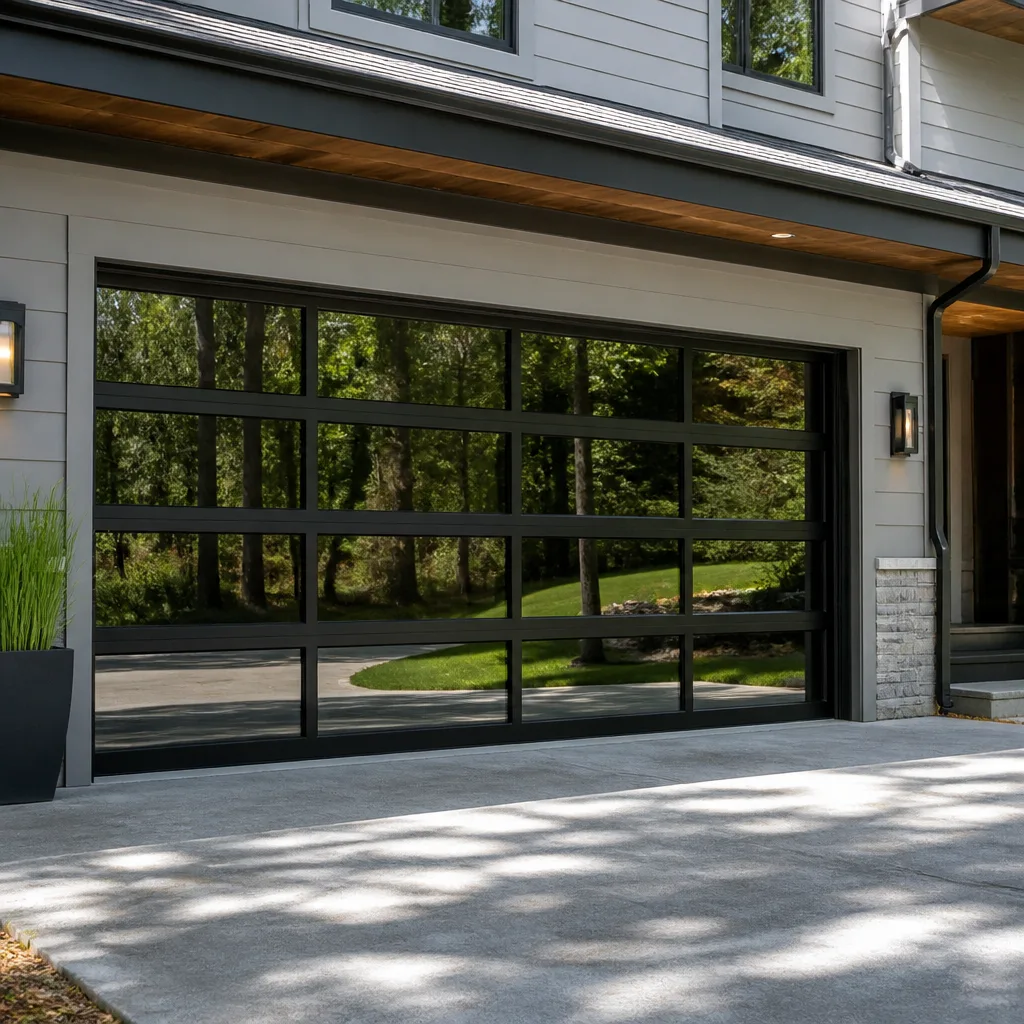 Full-view glass
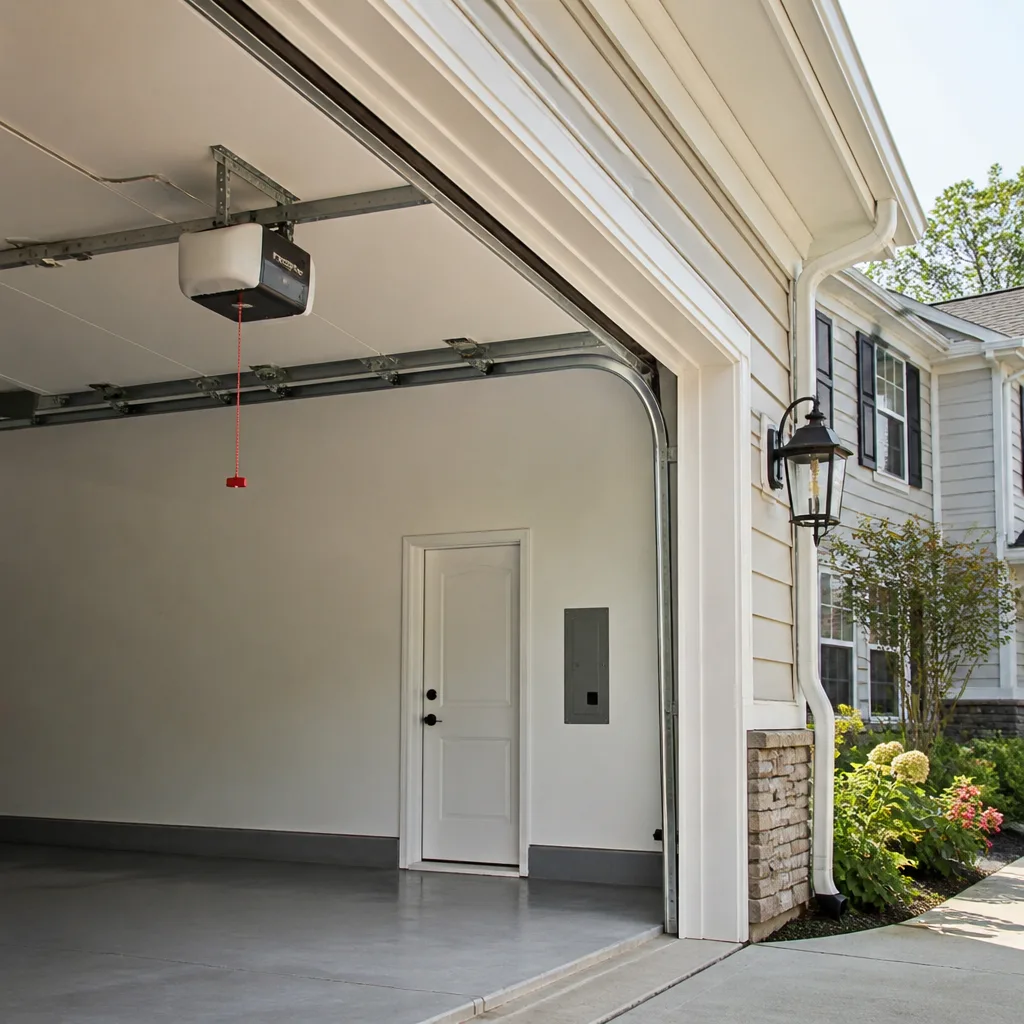 LiftMaster openers
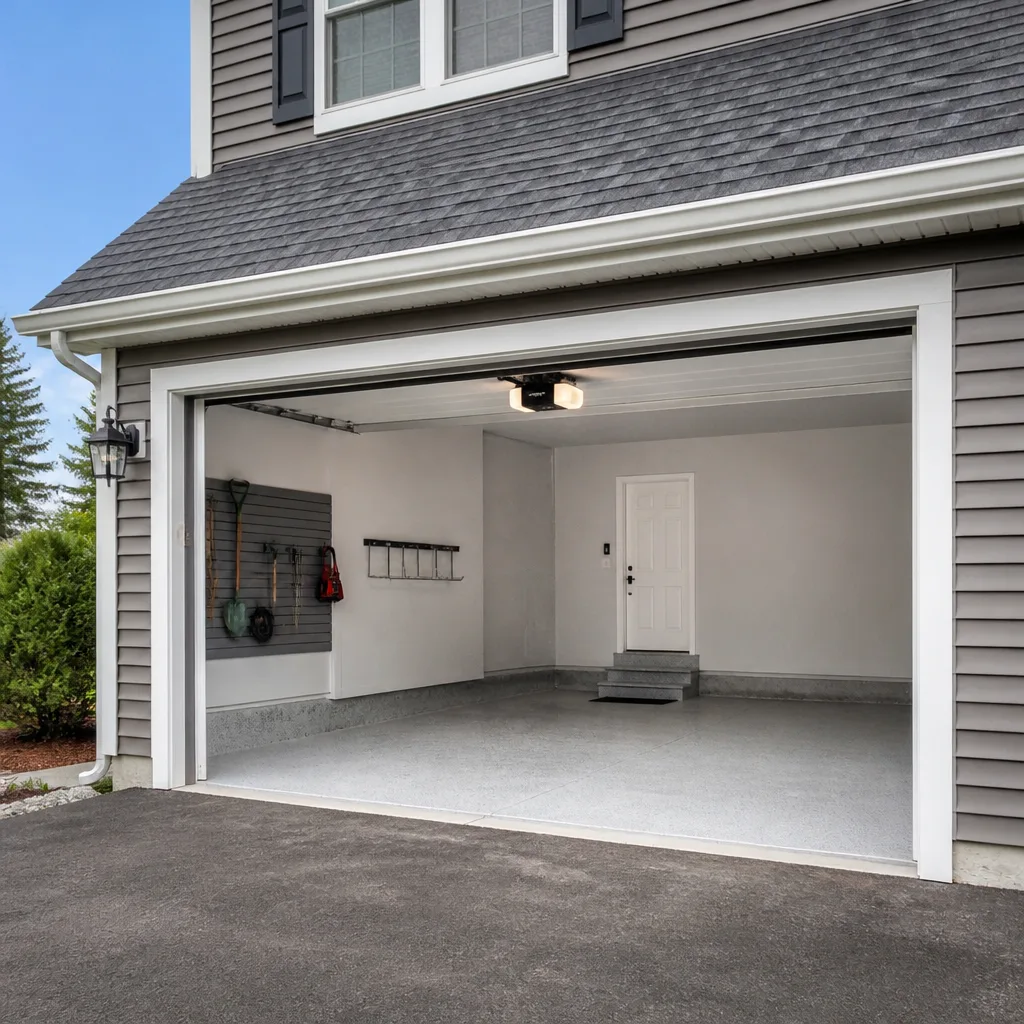 Chamberlain openers
Full 25-point door and opener safety check with every visit - springs, cables, rollers, tracks, and your LiftMaster or Chamberlain opener included
You get a price before we start. It does not change when the pro arrives.
Get your free estimateGarage Door Emergency Preparedness Guide for Doral Homes
Most homeowners think of a broken garage door as an inconvenience. In Doral, that assumption can cost you far more than a repair bill. If your door fails during a hurricane watch and you can’t secure the opening, Miami-Dade County’s wind pressure standards mean that door becomes the most likely point of structural failure in your home, not just a driveway problem. The gap between a nuisance and a liability is measured in hours, and the time to prepare for it is before you’re standing in the driveway at midnight with a flashlight. This guide covers both kinds of emergency Doral homeowners face: the mechanical failures that happen at the worst possible time, and the storm-driven scenarios where a compromised door puts the whole house at risk. You’ll learn how to test your manual release, what to do when a door sticks halfway open during a watch, and what to document for insurance before anyone touches the damage.
Quick Answer
Garage door emergency preparedness in Doral means three things: knowing how to safely release and manually operate your door during a power outage, having a plan for securing a stuck door before a storm makes landfall, and knowing exactly what to tell a repair line so the right technician arrives with the right parts. The mechanical failures (snapped springs, dead openers, doors off their tracks) are urgent. The storm scenarios are urgent and structural. Preparing for both takes an afternoon and prevents the worst outcomes.
Styles & brands we work with
- Raised-panel steel
- Carriage house
- Modern flush
- Full-view glass
- LiftMaster openers
- Chamberlain openers
Table of Contents
- The Two Kinds of Garage Door Emergency in Doral
- Testing Your Manual Disconnect Before You Need It
- Operating Your Door Manually During a Power Outage
- When the Door Is Stuck Open During a Storm Watch
- Re-Engaging the Opener Once Power Returns
- What to Have Ready Before You Call for Emergency Repair
- Documenting Garage Door Damage for an Insurance Claim
- Seasonal Checks That Prevent Most Emergencies
The Two Kinds of Garage Door Emergency in Doral
A garage door emergency in Doral usually falls into one of two categories, and they call for different responses. The first is mechanical: a torsion spring snaps, an opener motor burns out, a cable jumps a drum, or a door comes off its tracks. These failures tend to happen at inconvenient hours and they make the door unusable. If a car is trapped inside or the house is left open, that’s an emergency by any reasonable definition.
The second category is storm-driven. South Florida’s hurricane season runs from June through November, and Doral sits squarely in the wind-borne debris region that Miami-Dade County regulates most strictly. When a storm watch is issued and your garage door is already compromised (a bent panel, a failed spring holding it partially open, a track that’s been hit), that door is no longer just a door. It’s the largest unreinforced opening in the structure. Under high wind, a door that fails can let pressure into the house and compromise the roof and walls.
Here’s the distinction that matters for planning: mechanical failures are handled with a phone call and a technician. Storm scenarios are handled with preparation before the storm arrives, because once the wind picks up, nobody is coming to fix your door. The rest of this guide walks through both, starting with the preparation that makes the mechanical side manageable and the storm side survivable.
If you’re dealing with a failure right now and need someone on-site, our Doral Garage Door Repair Co team handles both categories, and the technicians have up to 13 years of experience with the brands most Doral homes actually have installed.
Testing Your Manual Disconnect Before You Need It
The manual release is the single most important piece of safety equipment on your garage door, and most homeowners have never touched it. It’s the rope and handle hanging from the opener trolley, usually with a red plastic grip. Pulling it disconnects the door from the opener so you can lift it by hand. In a power outage, that’s your only way in or out of the garage. In a storm scenario, it may be your only way to close a door the opener can’t move.
Test it now, on a calm day, when there’s no pressure and no storm on the radar. Here’s the sequence:
- Close the door fully and confirm the opener has finished its cycle.
- Pull the release handle straight down until you feel it disengage. You’ll hear a click.
- Lift the door by hand to about waist height, then let it settle. A properly balanced door should hold roughly where you leave it. If it slams down or feels extremely heavy, the springs are weak or failing and you should stop and call for service.
- Lower it back down slowly and fully.
- Re-engage the trolley by pulling the door up toward the opener until the carriage clicks back into the rail, or by pressing the wall button if your opener re-engages automatically.
- Run one full open-and-close cycle to confirm everything is back to normal.
Do this every few months. A release rope that’s frayed, a handle that’s out of reach, or a trolley that won’t re-engage are all things you want to discover on a sunny afternoon in Doral, not during a blackout at 2 a.m. If the release mechanism feels stiff or the door is unusually heavy when you lift it by hand, that’s a sign of spring trouble, and springs are not a do-it-yourself item. Our garage door spring repair specialists handle that diagnosis, and it’s the one job on a garage door we’d never suggest a homeowner attempt.
Operating Your Door Manually During a Power Outage
When the power goes out in Doral (whether from a storm, a grid event, or a tripped breaker), your opener is dead but your door isn’t. The manual release exists for exactly this. The trick is doing it safely and without straining your back or damaging the door.
A few ground rules before you lift anything:
- Never pull the release if the door is open. If the door is up and you disconnect it, it can come down hard and fast. Release only when the door is fully closed.
- Lift with your legs, not your back. A standard single-car door weighs well over a hundred pounds; a double door is heavier. Get under the bottom section and push up smoothly.
- Watch the tracks. A door that’s been sitting closed for months can bind on dirty or bent tracks. If it resists, stop. Forcing it can twist the panels or pop a cable.
- Secure the door open. If you need the door up for an extended period (to get a car out, to ventilate), prop it or have someone hold it. A manual door has nothing holding it up but balance.
Once power is restored, don’t just hit the button and walk away. The door needs to be re-engaged to the opener first, or the opener will strain against a disconnected carriage and possibly damage the trolley. We cover that in a dedicated section below.
One more consideration for Doral homes: if your opener is a newer Chamberlain or Genie model with a battery backup, the opener may keep working for a while after the grid drops. Battery backups are worth having in a storm-prone area, but they only buy you a handful of cycles. Don’t rely on them for a multi-day outage. Test the manual release and know how to use it regardless of what the opener can do.
When the Door Is Stuck Open During a Storm Watch
This is the scenario that keeps us up at night. A storm watch is issued, homeowners start prepping, and someone discovers their garage door won’t close all the way. Maybe a spring broke last week and they’ve been meaning to call. Maybe the door came off one track after a fender bender. Maybe the opener’s safety sensors are misaligned and the door reverses every time it tries to close.
If you have hours before the storm arrives, call for emergency service. If you have minutes, you need to secure the opening with what’s on hand. Here’s the general approach:
- Identify the obstruction. Look at the tracks, the sensors, and the bottom seal. A common culprit is a misaligned photo-eye sensor or a small object near the floor that trips the safety reverse.
- Disconnect the opener and try the door by hand. If it closes smoothly by hand, the problem is likely in the opener or sensors, and you may be able to close it manually and leave it disconnected for the storm.
- Brace what you can’t close. If the door physically won’t close, you cannot leave the opening exposed. A compromised door under wind pressure is a structural hazard, and in a Miami-Dade County regulated wind zone the door is designed as the primary barrier. Use heavy plywood or impact-rated paneling sized to the opening, screwed into the door jamb (not the door itself), to create a temporary barrier. This is a stopgap, not a repair.
- Secure the door from the inside. If the door is partially open and can’t be lowered, wedge it from the inside with blocking and brace the top section so wind can’t lift it further.
- Document everything you do. Photograph the state of the door before your bracing and after. If you file a claim later, those photos matter.
To be clear: temporary bracing is a last resort for when a professional can’t get to you in time. It’s not a substitute for a repaired door. If you’re reading this during a watch and your door is compromised, call us at (866) 937-8410 and we’ll tell you what’s realistic given the timeline. If you’re reading this in March, book the repair now and you’ll never face the scenario.
Re-Engaging the Opener Once Power Returns
Reconnecting the door to the opener is the step most homeowners get wrong after an outage, and it’s where a lot of avoidable opener damage happens. The door and the opener need to be in the right positions before they reconnect.
Here’s the procedure for most openers, including the Chamberlain and Genie units we see in Doral homes:
- Close the door fully by hand and leave it there.
- Locate the trolley carriage (the piece that slides along the rail) and the release lever or rope. On most units, you pull the door toward the opener until the carriage clicks into the trolley. On some models, pressing the wall button once with the door in the down position causes the opener to run a short cycle and re-engage the carriage automatically.
- Once you hear or feel the click, run one full open-and-close cycle from the wall button and watch the door. It should move smoothly and stop at the correct travel limits.
- If the door reverses immediately, stops short, or behaves erratically, the opener’s travel limits or force settings may have been disturbed. Don’t keep cycling it. That’s a sign the opener needs adjustment, and on many models that’s a technician job rather than a button sequence a homeowner should guess at.
If the door re-engages but runs rough, or the opener strains audibly, that’s worth a call. Our garage door opener repair service covers the full drive-and-sensor system, not just the door panels, and it’s a named service rather than an afterthought. A strained opener usually has a mechanical cause (worn gears, a failing drive belt, a misadjusted sensor) and running it that way accelerates the wear.
What to Have Ready Before You Call for Emergency Repair
The difference between a fast repair and a long one is often a two-minute conversation. When you call an emergency repair line, the technician needs three pieces of information to bring the right parts and the right tools: the door brand, the opener brand and model, and a clear description of the symptom. Have that ready before you dial and the whole job goes smoother.
Here’s the checklist we recommend keeping somewhere accessible (a note on your phone, a card in the kitchen drawer):
- Door brand and material. Is it Clopay, Amarr, or something else? Steel, aluminum, wood-look composite? The brand and material tell the technician what sections, hinges, and rollers are compatible.
- Opener brand and model number. Look at the motor unit on the ceiling or the wall control panel. LiftMaster, Chamberlain, Genie, and Craftsman all have different drive systems and sensor wiring. A model number on the label is worth more than a photo.
- The symptom, specifically. “It won’t close” and “it closes halfway and reverses” are different problems. “The motor hums but nothing moves” usually means a stripped gear or a broken drive. “The door is crooked and off the track” means a cable or roller issue.
- Whether the door is stuck open, closed, or partially open. This changes the priority. A door stuck open leaves the house unsecured; a door stuck closed traps the car but keeps the house sealed.
- Whether anyone is in danger. If a spring has snapped and you can hear the door making cracking or popping sounds, keep everyone away from it. A failed torsion spring means the door is being held by cables under tension, and that’s a serious hazard.
- Your location and access notes. Gate codes, parking, whether the garage is detached. In Doral’s gated communities, knowing how the technician gets in saves everyone time.
Once you’ve got that information, the call itself is short. For general repair needs, our garage door repair service starts with a diagnosis, and the technician arrives knowing what brand you have and what’s likely wrong.
Documenting Garage Door Damage for an Insurance Claim
How you document storm or impact damage to your garage door in the first 48 hours often determines how smoothly the claim goes. The general rule is: photograph before you touch anything, and don’t repair what the adjuster needs to see.
Here’s what to capture:
- Wide shots of the whole door and the surrounding opening, showing the door in place and the condition of the tracks, jamb, and header.
- Close-ups of the damage (bent panels, popped hinges, a door off its track, a spring that’s failed). Get several angles, including from inside the garage looking out.
- The opener and its model label, in case the opener was damaged or strained by the event.
- Any temporary measures you took (bracing, boarding, disconnecting), which demonstrates you mitigated further damage. Don’t remove those measures until you’ve photographed them and, ideally, talked to your adjuster.
What not to do: don’t replace the door, don’t paint over damage, don’t discard bent panels, and don’t let a repair technician haul away the damaged parts before the adjuster has seen them. If a repair is genuinely urgent (the door won’t close, the house is exposed), get it fixed, but save the parts and take photos first.
In our experience, garage door damage is typically classified in a claim as either wind damage (the door itself failed or was struck) or impact damage (debris, a vehicle, a fallen object). The classification affects your deductible and coverage, so describe what happened factually and let the adjuster make the call. Policies vary widely, so check your own coverage rather than relying on a general rule. For a repair estimate you can compare against an adjuster’s figure, call us for a free written quote.
Seasonal Checks That Prevent Most Emergencies
Most garage door emergencies we see in Doral didn’t start as emergencies. They started as a worn roller, a loose hinge, or a spring that had been losing tension for months. A twenty-minute inspection twice a year catches nearly all of it.
Here’s the checklist we recommend running every spring and fall, ideally before hurricane season and again after it:
- Listen to the door. A healthy door is quiet. Grinding, squealing, or popping means something is worn or misaligned. Lubricate hinges, rollers, and springs with a garage door lubricant, not WD-40.
- Check the balance. Disconnect the opener, lift the door to waist height, and let go. A balanced door stays put. One that drops or rises on its own has a spring problem.
- Test the auto-reverse. Place a roll of paper towels or a 2×4 flat on the floor under the door and close it. The door should reverse on contact. If it doesn’t, the opener’s force settings need adjustment.
- Check the photo-eye sensors. Make sure they’re aligned and the indicator lights are on. Wipe them clean. In Doral’s humidity and afternoon rain, sensors can fog up or collect debris.
- Inspect the tracks. Look for bends, dents, and debris. Tracks that have been hit (by a bike, a car, a lawn tool) will eventually derail the door.
- Look at the springs and cables. You’re not inspecting for wear so much as for obvious damage: a visible gap in a torsion spring, a frayed cable, a rusted coil. Don’t touch them. If something looks wrong, call a professional.
- Test the manual release following the sequence earlier in this guide.
If your door is older than its springs and panels can reasonably handle, replacement is worth considering before it fails. Our garage door installation service covers the full range, from Clopay and Amarr steel doors to opener upgrades, so a door that’s beyond repair becomes a scheduled replacement rather than an emergency. And a new impact-rated door in a Miami-Dade County wind zone may also improve how your home performs in a storm, which is the preparation that matters most in Doral.
Common Mistakes to Avoid
- Pulling the manual release while the door is open. This is the most common way homeowners get hurt. The door comes down hard when disconnected mid-air. Always release with the door fully closed.
- Forcing a heavy door by hand. If the door feels unusually heavy when you lift it, the springs are weak or broken. Forcing it strains the opener and can snap a cable. Stop and call a technician.
- Trying to repair a torsion spring yourself. Springs are under extreme tension and the wrong tool or the wrong move can cause serious injury. This is the most dangerous job on a garage door and the one most often botched by DIYers. Keep everyone clear and call a specialist.
- Waiting to fix a compromised door until a storm is forecast. In Doral, the storm watch is not the time to discover your door won’t close. Book repairs in the off-season when technicians have availability and parts are in stock.
- Letting the adjuster’s visit happen after the repair. If your door is damaged in a storm, photograph it and save the parts before anyone repairs it. Replacing the door first can complicate your claim.
- Ignoring a rough-running opener. A strained motor, a grinding drive, or a door that reverses randomly are early warnings. Fixing them now is cheaper than replacing the opener later.
- Calling an emergency line without the model numbers. The technician can’t bring the right parts if they don’t know what brand they’re working on. Have your door and opener brands ready before you dial.
See the difference
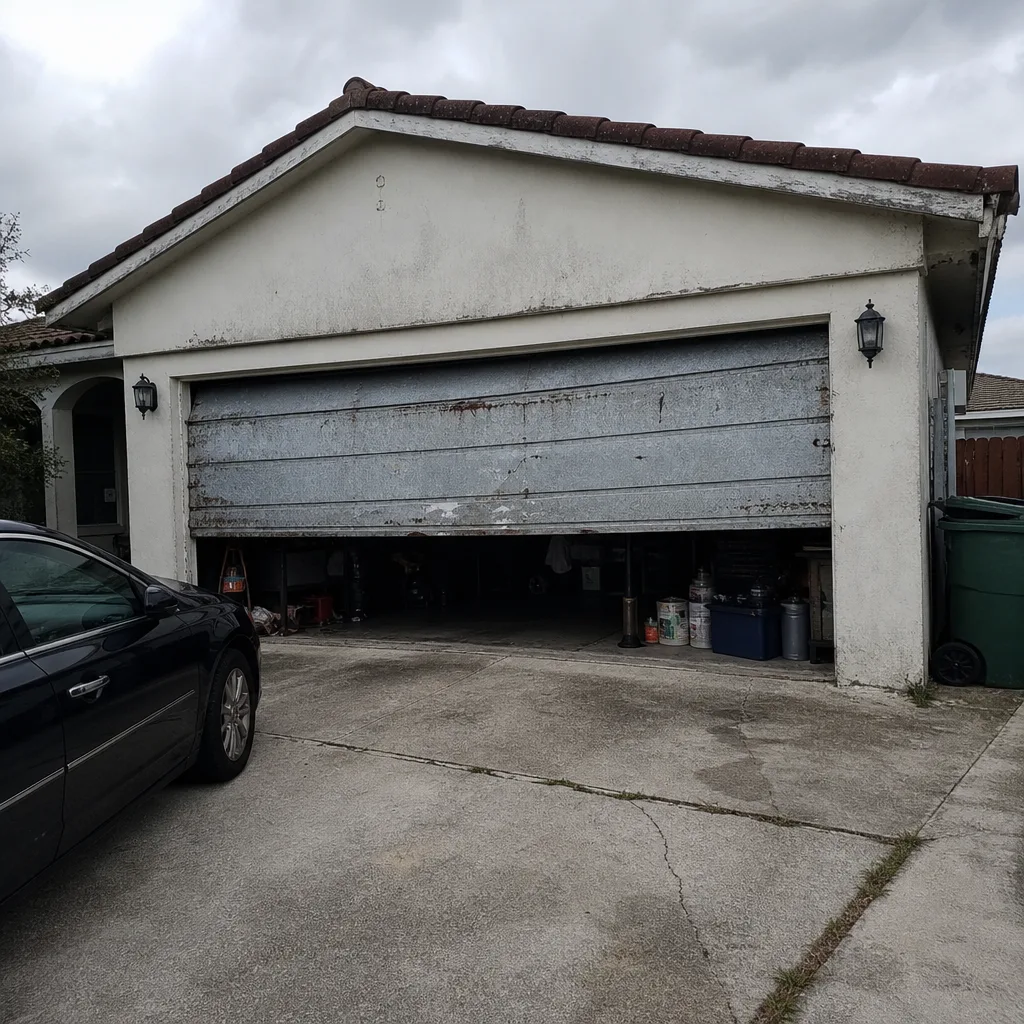 Before
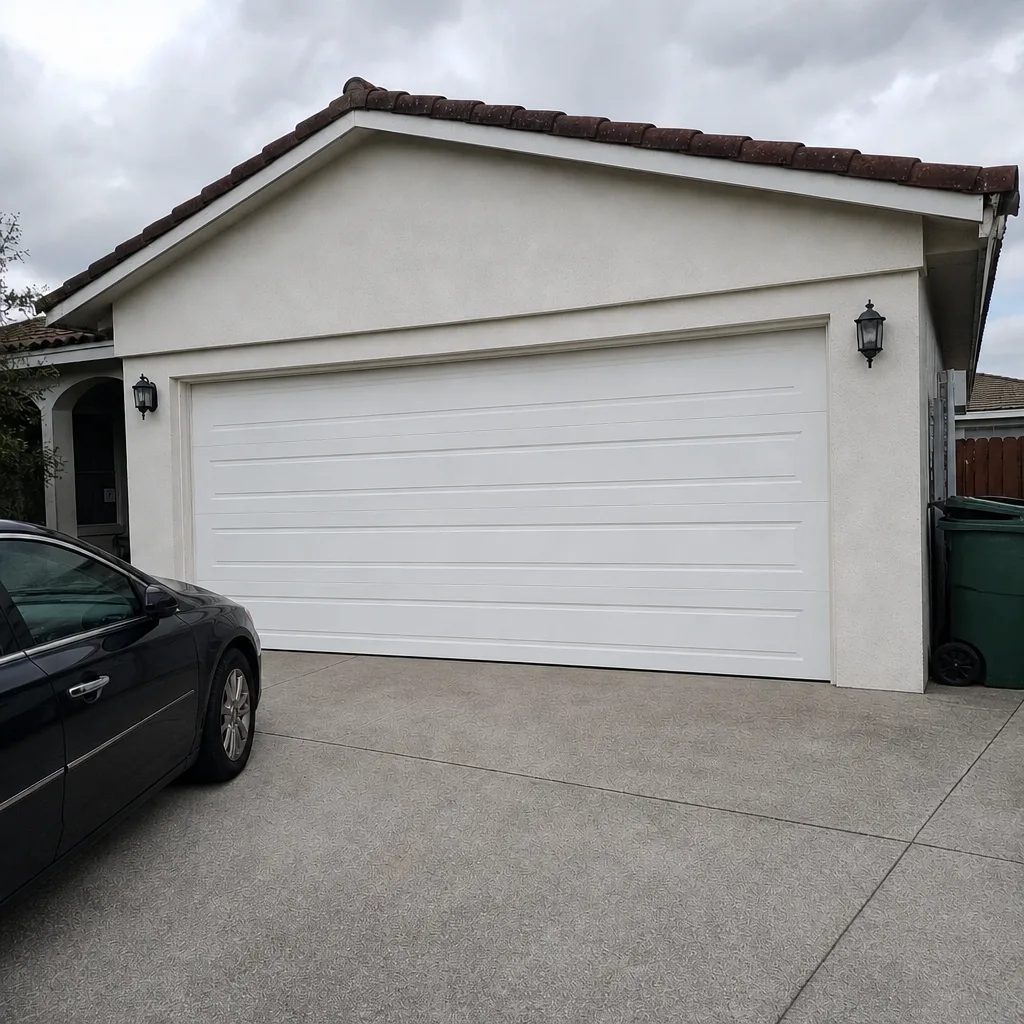 After
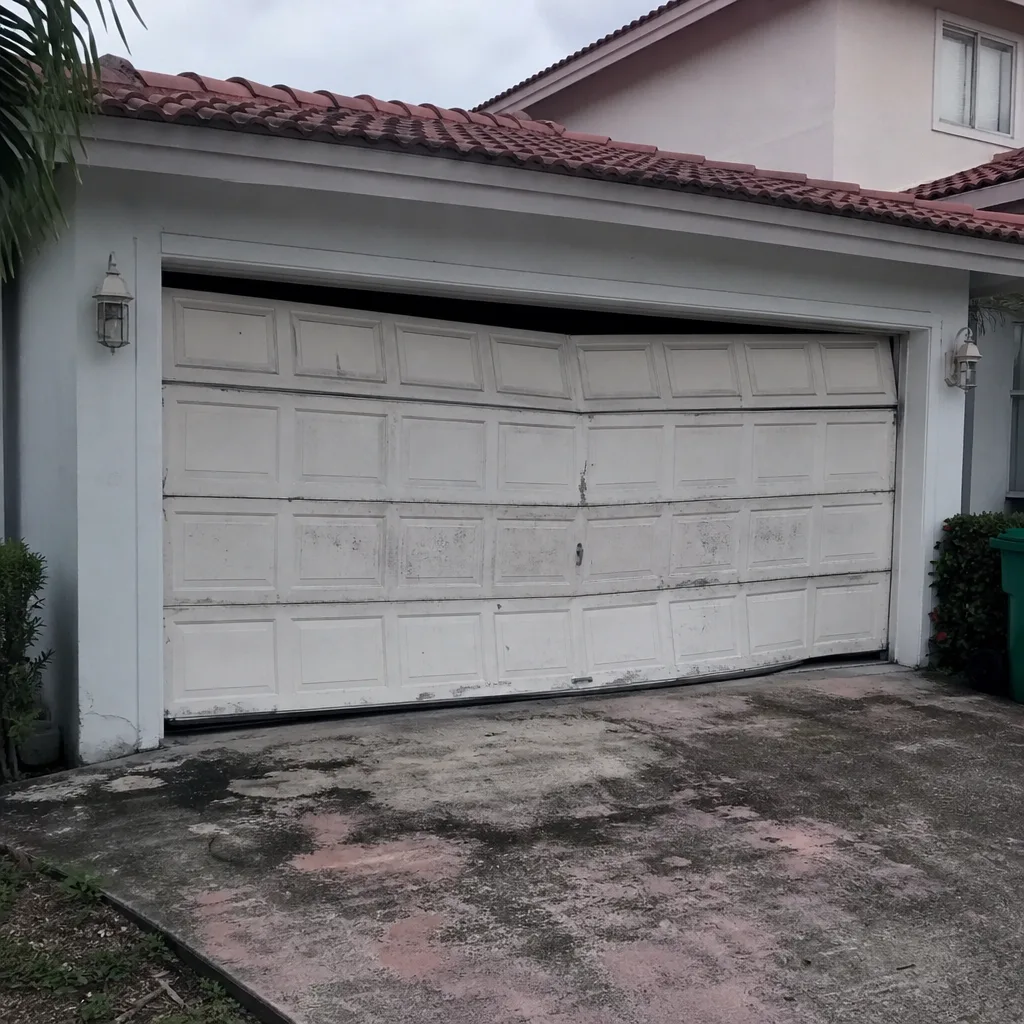 Before
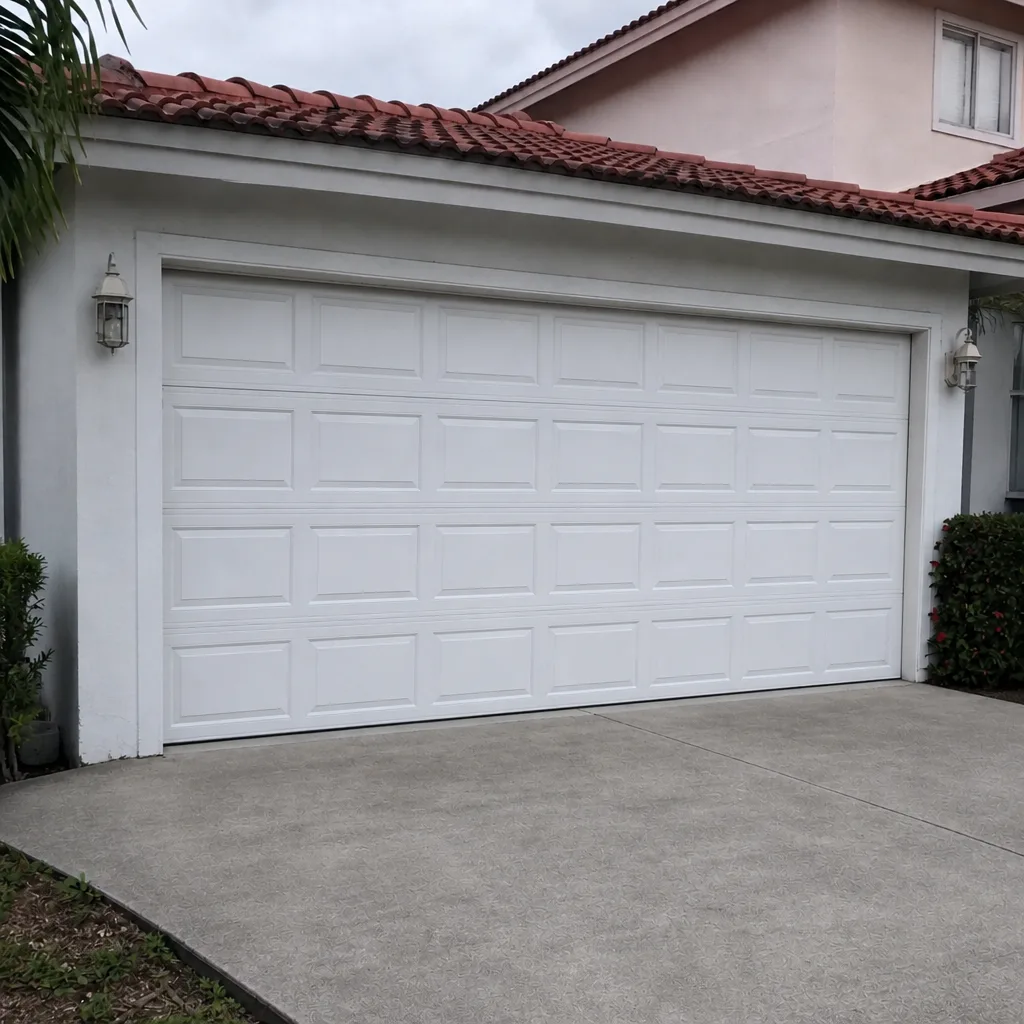 After
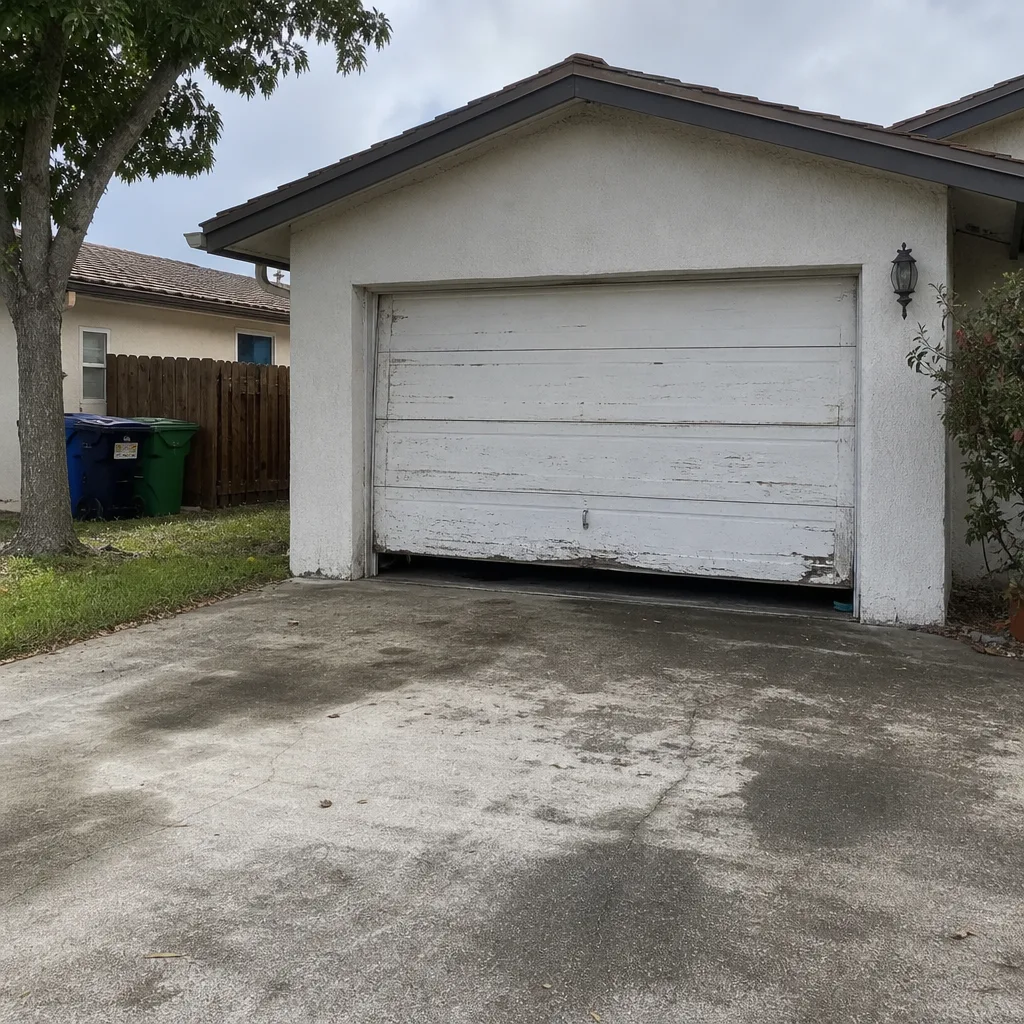 Before
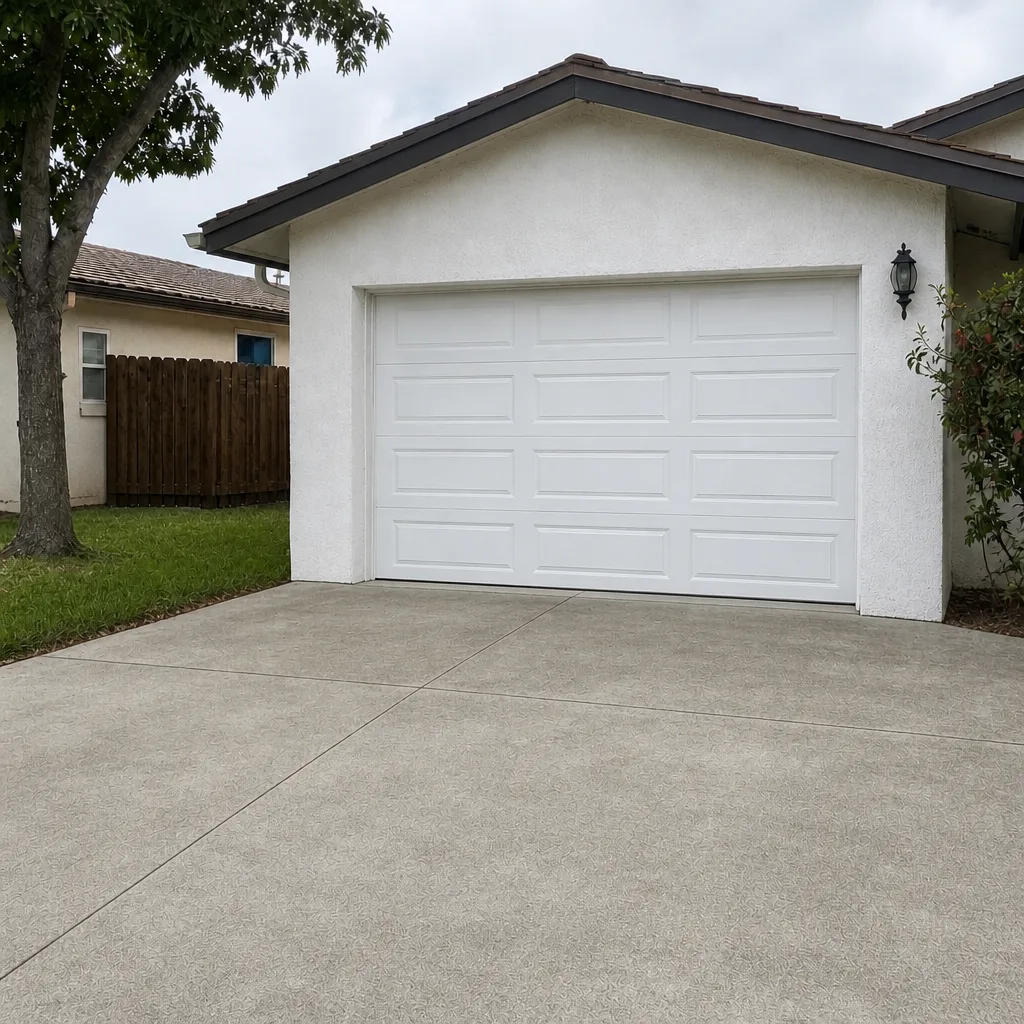 After
When to Call a Professional
Some garage door problems genuinely can’t wait, and it’s worth knowing where that line is. Call a professional immediately if: a torsion spring has snapped (you’ll hear it, and the door becomes very heavy and possibly unsafe); the door is off its tracks or hanging crookedly; a cable is frayed or has come off a drum; the door is stuck partially open and a storm is approaching; or a car is trapped and the door won’t move at all. Those are the cases where waiting makes things worse and where a trained technician with the right tools is the only safe option. For less urgent issues (a noisy door, a sensor that needs alignment, a slow opener), a scheduled visit is fine. Doral Garage Door Repair Co offers free estimates in Doral, and we work with every major brand. Call (866) 937-8410 and we’ll diagnose it on-site and fix it on the same visit where possible.
Frequently Asked Questions
Pull the manual release handle (the red rope hanging from the opener trolley) while the door is fully closed, then lift the door by hand from the bottom section. Never pull the release while the door is open, because it can come down hard. Once power returns, re-engage the carriage and run one full cycle to confirm the door operates correctly. If you’re unsure how your opener re-engages, call (866) 937-8410 for guidance.
First, check the obvious causes: a misaligned photo-eye sensor or an obstruction near the floor is the most common reason a door won’t close. Disconnect the opener and try closing the door by hand. If it still won’t close, install a temporary barrier (plywood or impact paneling screwed into the jamb) and brace the door from the inside. Call an emergency service line immediately for guidance, and call (866) 937-8410 if you’re in Doral and need someone on-site quickly.
Coverage depends on your specific policy and how the damage is classified (wind damage versus impact damage), so check your own policy rather than relying on a general rule. Photograph everything before you repair it, save the damaged parts, and don’t replace the door until the adjuster has seen the damage. For a repair estimate you can compare against the claim figure, call us for a free written quote.
Same-day repair is often possible for common failures, including spring repairs, opener issues, and doors that have come off their tracks. Emergency service is a core offering, not an upsell, so call (866) 937-8410 and describe the problem. Have your door brand and opener model ready if you can; Chamberlain, Genie, Clopay, and Amarr are all brands our technicians work with regularly.
No. Torsion springs are under extreme tension and a wrong move can cause serious injury. This is the most commonly botched garage door repair by homeowners and the one that most often results in a trip to the emergency room. Keep everyone clear of the door, don’t try to adjust or cut anything, and call a specialist. Our spring repair is performed by technicians with the proper tools and training.
Have your door brand, your opener brand and model number, and a clear description of the symptom ready before you dial. Also note whether the door is stuck open, closed, or partially open, and whether anyone is standing near a failed spring. That information lets the technician bring the right parts and diagnose the problem faster. Call (866) 937-8410 when you’re ready.
The Bottom Line
Garage door emergencies in Doral come in two forms: mechanical failures that need a fast repair and storm scenarios that need preparation before the wind picks up. Both are manageable if you do three things now: test your manual release on a calm day, run the seasonal inspection checklist before hurricane season, and keep your door and opener brand information where you can find it in a hurry. The failure that catches you at midnight is almost always the one you could have scheduled. If your door is already failing or you want a professional to look at it, Doral Garage Door Repair Co offers free estimates in Doral, and our technicians have up to 13 years of experience across every major brand. Call (866) 937-8410 for a free estimate and get it handled before it becomes an emergency.
Written by the team at Doral Garage Door Repair Co.