Last updated November 23, 2026
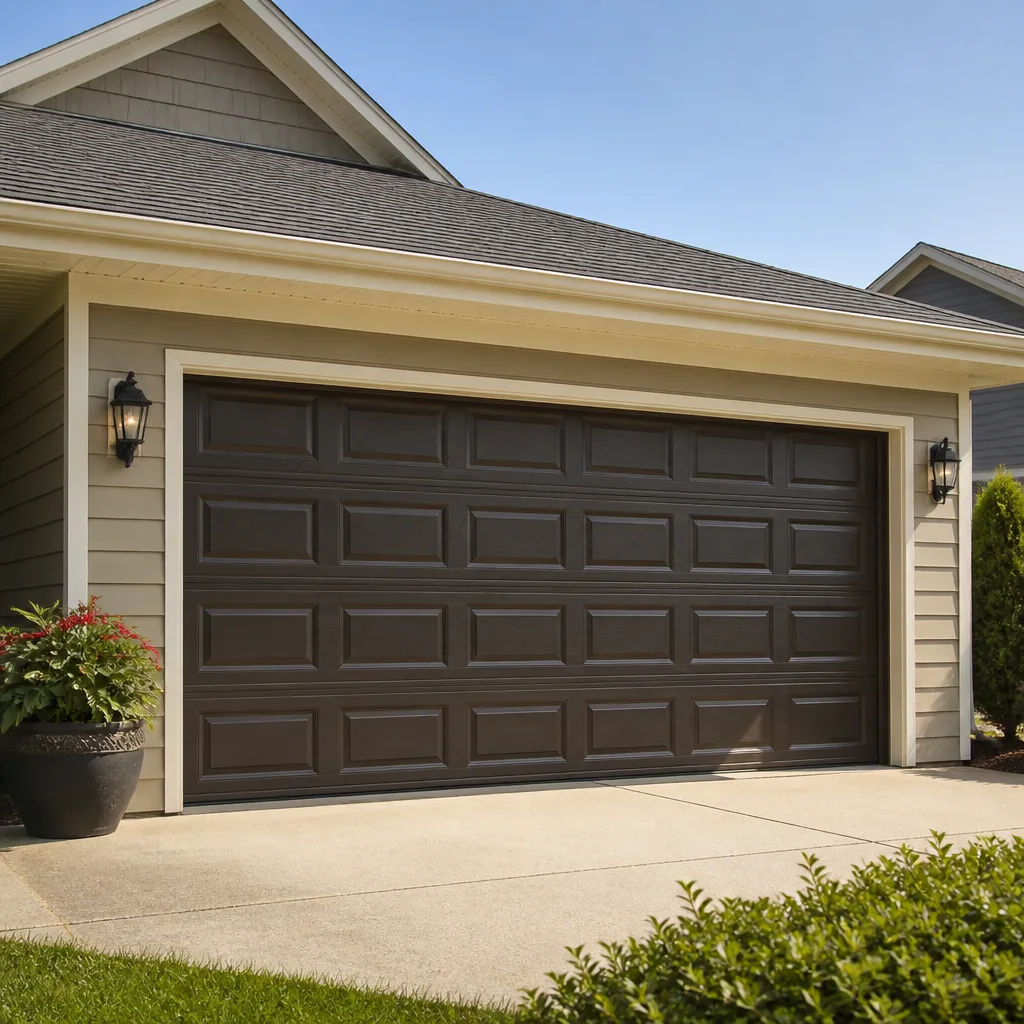 Raised-panel steel
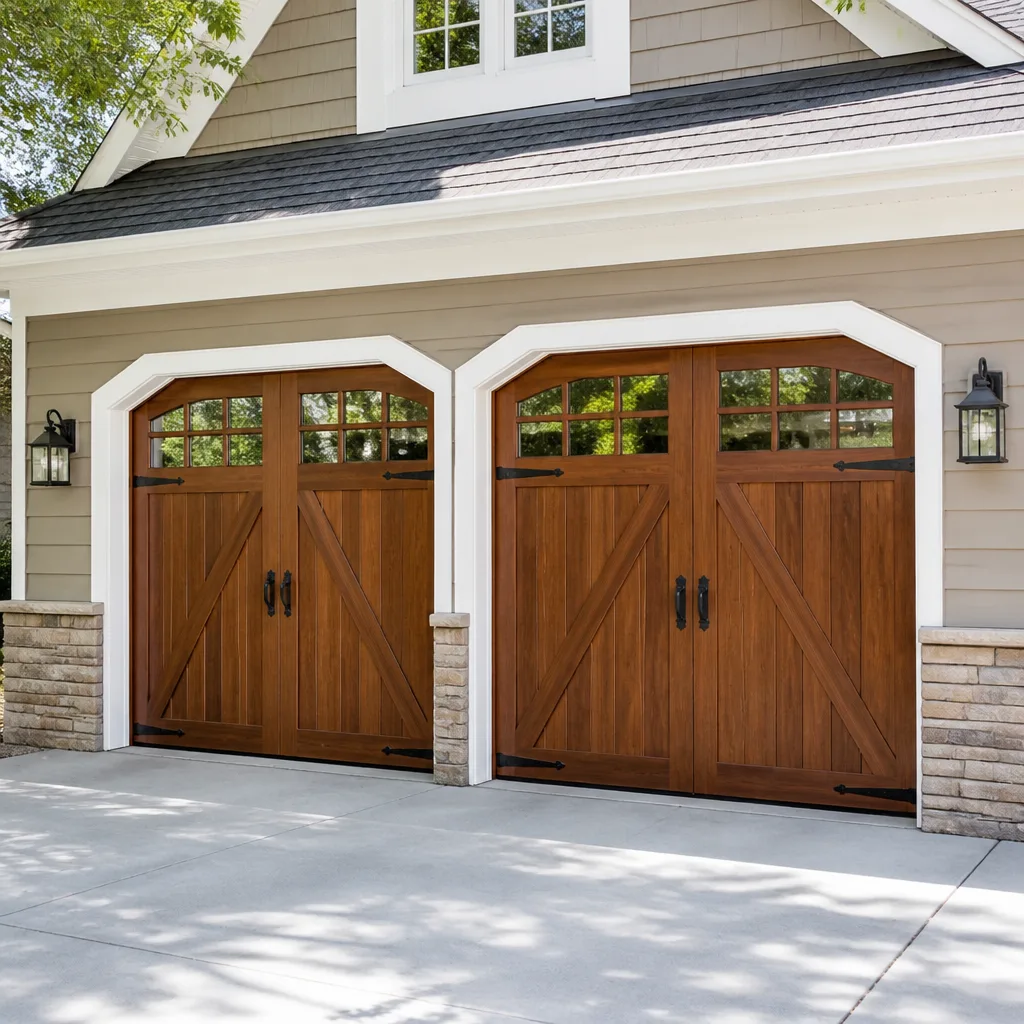 Carriage house
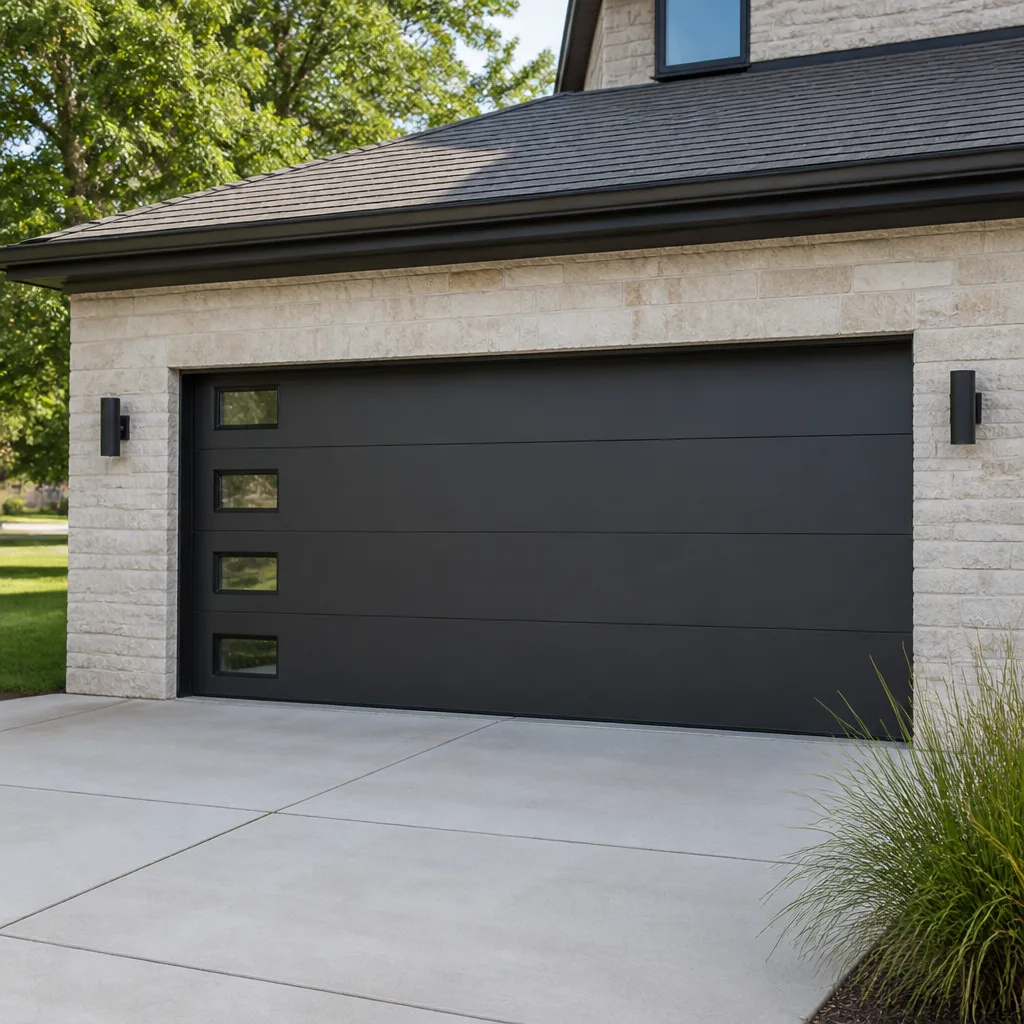 Modern flush
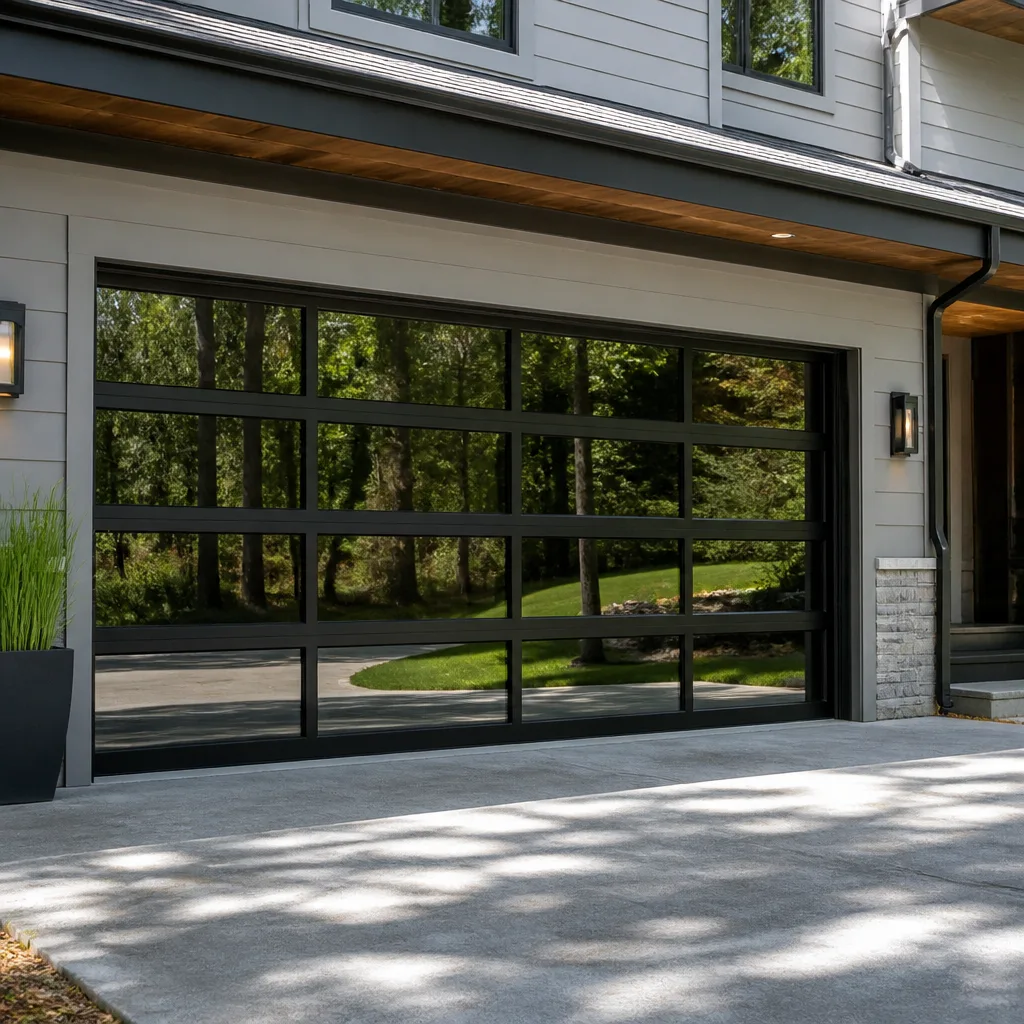 Full-view glass
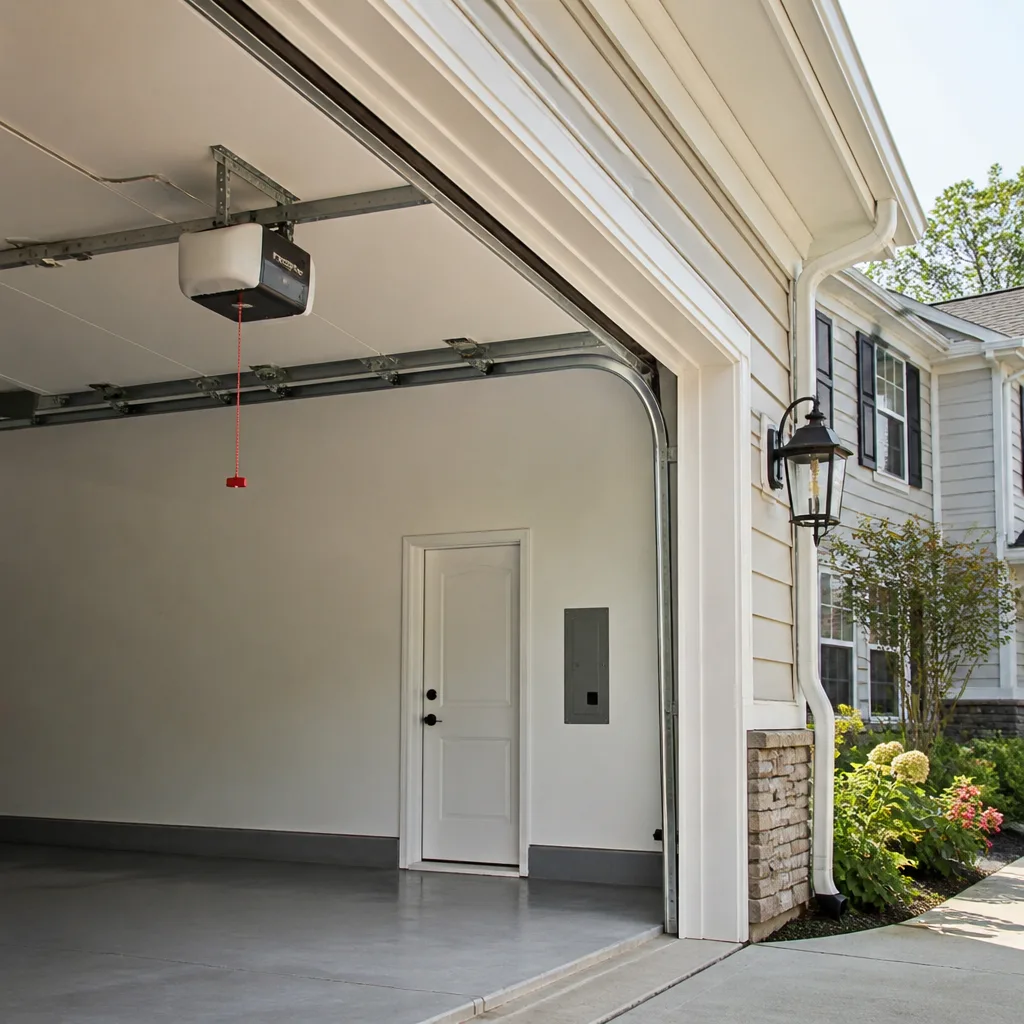 LiftMaster openers
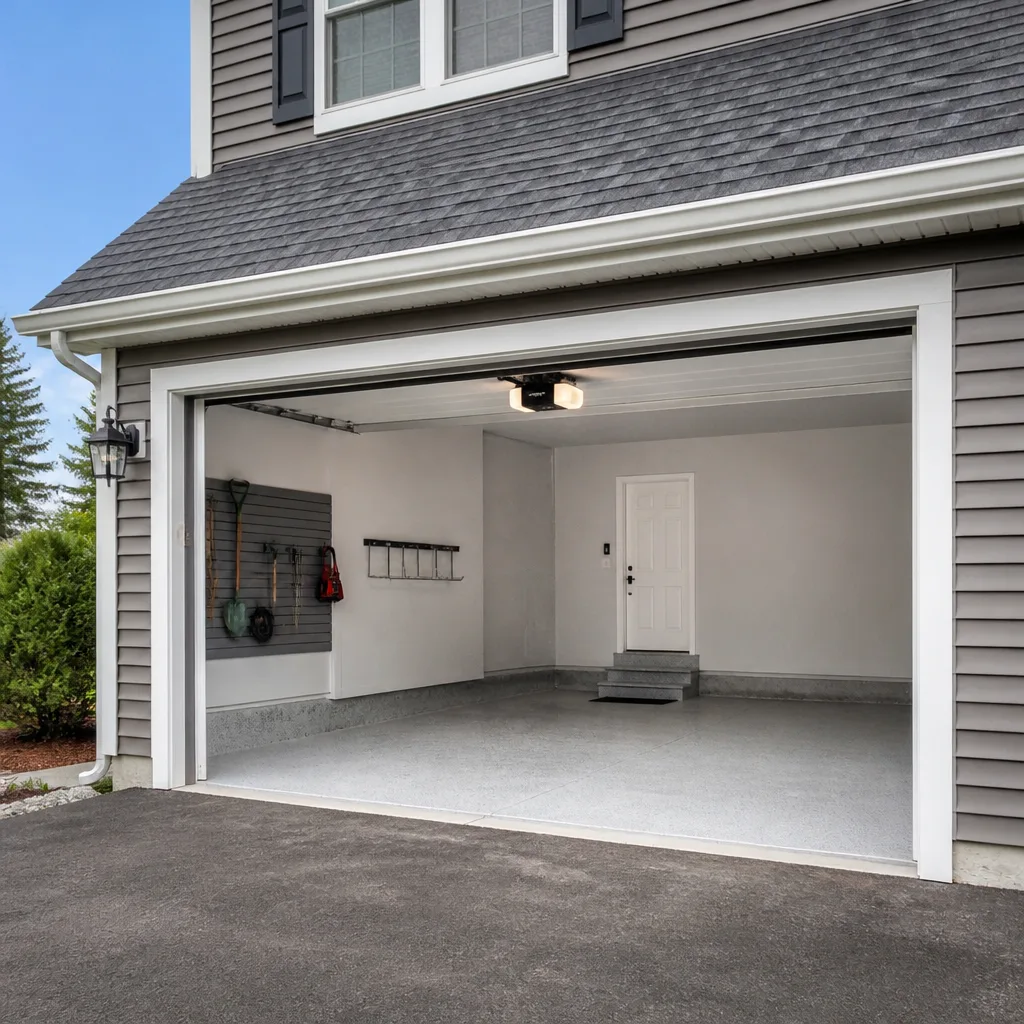 Chamberlain openers
Full 25-point door and opener safety check with every visit - springs, cables, rollers, tracks, and your LiftMaster or Chamberlain opener included
You get a price before we start. It does not change when the pro arrives.
Get your free estimateGarage Door Repair Maintenance Checklist for Doral Homeowners
A torsion spring rated for 10,000 cycles in a dry, cool climate doesn’t hit that number here. In Doral, heat expansion, year-round humidity, and storm season put a harder load on every moving part of your door, and a spring that would coast for a decade up north can wear out considerably sooner when the metal sits in a garage that’s 95 degrees for half the year. Most maintenance checklists floating around the internet were written for Ohio and Michigan. This one is built around the failure modes we actually see in Doral: rusted bottom brackets, dry hinges that squeal by April, opener logic boards that act up in the wet months, and doors that need to be storm-ready by the time June arrives. You’ll learn what to check monthly, what to check before hurricane season, and which items you should never touch yourself.
Quick Answer
A garage door maintenance checklist for Doral homeowners should cover monthly lubrication of hinges, rollers, and springs with a silicone-based lubricant (not WD-40), a balance and auto-reverse test every three months, rust inspection on the bottom seal brackets and spring hardware quarterly, and a full storm-season check of the door, tracks, and opener before June. Springs, cables, and opener electronics are inspection-only for homeowners – if something looks wrong there, call a technician rather than adjusting it yourself.
Styles & brands we work with
- Raised-panel steel
- Carriage house
- Modern flush
- Full-view glass
- LiftMaster openers
- Chamberlain openers
Table of Contents
- Monthly Lubrication for Doral Humidity
- How to Test Door Balance, Auto-Reverse, and Manual Release
- Rust and Corrosion Inspection Points
- Pre-Storm Season Checklist Before June
- Opener Maintenance: Sensors, Force Settings, and Battery Backup
- DIY vs. Inspection-Only: What You Can Do and What You Shouldn’t
- Your Year-Round Maintenance Calendar for Doral
- How to Know When Repair Stops Making Sense
Monthly Lubrication for Doral Humidity
Lubrication is the single highest-value item on this checklist, and it’s also the one most Doral homeowners get wrong. WD-40 is not a lubricant for garage door hardware. It’s a solvent and water displacer that will strip the existing grease and leave metal dry, which is exactly what you don’t want in a climate where humidity sits high most of the year. What you want is a silicone-based garage door lubricant or a lithium grease spray rated for exterior and high-humidity use.
Here’s the monthly routine, which should take about ten minutes:
- Spray every hinge pivot point. There’s a hinge at each panel joint on both sides of the door. Hit the barrel of each hinge, not the flat plate.
- Lubricate the rollers. If you have nylon rollers, a light spritz is enough. If you have steel rollers, spray the bearing and stem where they sit inside the hinge.
- Hit the torsion spring coils. A light coat on the coils reduces friction between the coils as the spring winds. Don’t overdo it – a heavy coat traps dust.
- Wipe down the tracks with a dry cloth, then apply a very thin silicone film. Don’t spray grease in your tracks. It attracts grit and the rollers will start to bind.
- Check your weatherstripping and bottom seal. Wipe them clean. If they’re cracked or pulling away, they’re letting in humid air and pests, and they need to be replaced.
In Doral, we generally recommend lubricating more frequently than the once-or-twice-a-year schedule you’ll see on most manufacturer literature – the humidity drains lubricant faster, and a dry hinge is a hinge that’s about to start grinding. If you can’t remember the last time you lubricated, do it this week.
How to Test Door Balance, Auto-Reverse, and Manual Release
Three tests tell you more about your door’s condition than anything else you can do yourself. Run all three every three months, and after any storm.
Balance Test
Disconnect the opener using the manual release cord, then lift the door to about waist height and let go. A properly balanced door should stay in place with minimal drift. If it drops on its own, the springs are losing tension. If it rises on its own, the springs are over-tensioned or one is broken. Either way, the springs need a technician – that’s an inspection-only item.
Auto-Reverse Test
With the door connected and closed, place a roll of paper towels or a 2×4 flat on the ground in the door’s path, then close the door using the wall control. The door must reverse on contact and return to the open position. If it doesn’t, the opener’s force setting or safety sensors need attention. You can also test the photo-eye sensors by waving an object in front of them while the door is closing – the door should reverse immediately. If it doesn’t, the sensors are misaligned, dirty, or wired to a failing opener.
Manual Release Test
Pull the red release handle and confirm the door moves freely by hand. It should open and close with modest effort and no binding. If the door resists or feels heavy, there’s a spring, roller, or track problem. Reconnect the opener by running it until it re-engages the trolley (usually one full up-and-down cycle).
A door that fails any of these tests is telling you something is wrong. Don’t ignore it. A door out of balance puts strain on the opener and accelerates wear on everything else.
Rust and Corrosion Inspection Points
Rust is where Doral’s climate does its quiet damage. It isn’t the dramatic, panel-eating rust you’d see in a cold-weather town with road salt. It’s surface oxidation on hardware – the parts nobody looks at until they snap.
Check these specific points every three months:
- The bottom seal brackets and the bottom panel edge. These sit inches from a wet, humid slab and take the most moisture. Look for bubbling paint, orange staining, and pitting on the steel retainer.
- The spring hardware – the torsion tube, the center bearing plate, and the winding cones. If you see rust blooming at the anchor points, that’s a sign of moisture intrusion and potential failure.
- The hinge bodies and roller stems. Any roughness or discoloration on the steel means the protective coating is gone and rust has started.
- The bottom corners of the door panels. Water pools in the seams. Peel back a corner of the weather seal and check the bare metal underneath.
- The track mounting brackets against the wall. If the lag bolts are corroded, the track can shift.
For any rust you do find, sand it lightly, treat it with a rust converter, and touch it up with exterior-grade paint. If the hardware itself is compromised – a badly pitted hinge, a bracket that’s half gone – it should be replaced. We see this most on doors that have been in service for eight or more years in Doral’s humidity. Small hardware replacements are easy; if the rust is on the springs or cables, that’s a call to a technician.
Pre-Storm Season Checklist Before June
Hurricane season opens June 1 and runs through November. A garage door is the largest opening in most Doral homes, and a door that fails in a storm compromises the whole structure. Every homeowner should run a storm-readiness check on their door system by the last week of May.
- Test the door’s balance and full open/close cycle. A door that hesitates or binds in calm weather will be worse under wind load.
- Check the door’s wind rating. If your door was installed before current Miami-Dade wind-load requirements, talk to a professional about whether it meets the standard your home was built to. This is a code question – ask your city’s building department or a garage door technician for guidance on what applies to your home.
- Inspect the hinges, brackets, and track fasteners. A single loose lag bolt can let the track shift under vibration. Tighten anything that moves by hand but shouldn’t.
- Lubricate everything one more time. Fresh lubricant protects against moisture during heavy rain.
- Test the opener’s battery backup if equipped. Many modern openers (Chamberlain and LiftMaster models commonly installed in Doral, among others) have a battery backup that lets you open the door during a power outage. Swap the battery if it won’t hold a charge.
- Confirm your manual release works and that you know how to use it. If power is out for hours, this is your only way in or out.
- Clear the door’s path. Anything stored near the door – boxes, bikes, the lawnmower – should be moved clear. In a storm, loose objects become projectiles.
If your door is older and you’ve never had it inspected for storm readiness, this is one of those times where a professional review is worth the call. For a full breakdown of what’s involved in garage door repair, our team can walk you through it.
Opener Maintenance: Sensors, Force Settings, and Battery Backup
Openers don’t get much attention until they stop working. In Doral, the electronics inside them run hot and humid for most of the year, and that’s where the failures happen. A dedicated garage door opener repair service covers the drive system, sensors, logic board, and remote – not just the door itself.
Here’s what you can do monthly to stay ahead of an opener failure:
- Wipe down the photo-eye sensors with a dry cloth. Dust and flying insects clog them here.
- Check that the sensors are aligned. If the indicator LED on each sensor isn’t solid when the door is closed, one of them has moved or failed.
- Test the safety reverse (auto-reverse) every month. Force settings drift over time. If the door is closing on objects and not reversing, stop using it and call a technician.
- Replace the remote batteries once a year, even if they seem fine. Dying batteries are the most common cause of “the opener isn’t responding” calls.
- Clear the opener’s memory of old remotes if you’ve lost one or don’t remember the last time you reset it. Every opener manual has a reset procedure; if you don’t have the manual, the brand name (Chamberlain, Genie, LiftMaster, Craftsman, or any of the eight brands we routinely work on) will tell you which procedure to look up.
- Test the battery backup (if equipped) by unplugging the opener and cycling the door. If the door moves slowly or not at all, the battery needs replacing.
If your opener is eight or more years old and you’re calling for repairs more than once a year, the cost of keeping it alive is climbing past the cost of replacing it. That’s a conversation worth having with a technician – not a decision to make based on a single Google session.
DIY vs. Inspection-Only: What You Can Do and What You Shouldn’t
Knowing which items on a maintenance checklist you can safely do yourself is as important as knowing the items themselves. We’ve seen too many Doral homeowners start a harmless lubrication routine and end up calling us because they decided to “just tighten” a spring. There are two categories.
Safe for DIY
- Lubricating hinges, rollers, and springs
- Cleaning photo-eye sensors and wiping down tracks
- Tightening visible track lag bolts and hinge screws
- Testing balance, auto-reverse, and the manual release
- Replacing weatherstripping and the bottom seal
- Touching up rust on painted panels
- Replacing remote batteries and testing the battery backup
Inspection-only – call a technician
- Torsion and extension springs. A torsion spring under tension stores enough energy to cause serious injury if it releases unexpectedly. Never attempt to adjust, wind, or replace one yourself.
- Cables. Cables are under high tension and fail without warning. If you see fraying, kinks, or slack, stop using the door and call.
- Openers. Force settings, logic boards, and limit switches are not homeowner adjustments. A mistake here can cause the door to reverse unexpectedly or fail to reverse when it should.
- Anything involving the torsion tube or winding cones. These are structural to the spring system.
Spring work is the one we’re most emphatic about. According to the U.S. Consumer Product Safety Commission, garage door springs and the hardware that holds them are among the most dangerous components in a home. A trained technician has the tools and the training to do it safely. For the full picture, our garage door spring repair service covers the disassembly, replacement, and re-tensioning in a single visit.
Your Year-Round Maintenance Calendar for Doral
Here’s the version of the checklist you can actually put on your refrigerator. It maps the tasks to the Doral calendar, which is different from what you’d find in most maintenance guides.
Monthly
- Lubricate hinges, rollers, and springs with silicone-based spray
- Test auto-reverse on both the wall control and the safety sensors
- Clean and align the photo-eye sensors
- Check the manual release works
Every Three Months
- Run the full balance test
- Inspect the bottom seal brackets and spring hardware for rust
- Tighten visible track lag bolts and hinge screws
- Wipe down tracks and check for debris
Every Six Months
- Clear the opener memory of unused remotes
- Inspect and replace remote batteries
- Test the opener’s battery backup (if equipped)
- Look at the door panels for panel separation or cracked glazing
Before June (Hurricane Season)
- Run the full storm-season checklist above
- Have a professional inspect the door’s wind rating and fasteners
- Confirm battery backup works
- Clear the track path and re-lubricate
Annually
- Professional inspection of springs, cables, and opener
- Full re-lubrication and hardware tightening
- Door panel inspection – repaint or replace any compromised panels
If you’re keeping up with this calendar, you’ll catch 80% of the problems that turn into emergency calls. The other 20% – spring fatigue, cable failure, opener logic board death – happen on their own schedule. That’s what our garage door repair team is for.
How to Know When Repair Stops Making Sense
Every garage door reaches a point where the math tips. Replacing one spring, then one hinge, then one roller, then a panel, then an opener over 18 months costs more than a new door that solves all of it at once. Repairs make sense – until they don’t.
Three signs it’s time to move from repair to replacement:
- The door is older than about 15 to 20 years. Panels, seals, and hardware start failing in sync. The cost of keeping the door together climbs past the cost of a new one.
- You’ve had more than one major repair in the last two years. Springs, opener, or panel – any combination of two means the door is telling you it’s worn out.
- The door doesn’t meet current wind-load standards. If your home was built to a modern hurricane standard and your door predates it, replacing the door brings the whole structure into compliance. Ask your city’s building department about the standard that applies.
Installation is a separate job from repair: it needs a site measure, a door ordered to size, and a scheduled install day. If you’re considering replacement, our Doral Garage Door Repair Co team will come measure the opening and give you a written quote on the door and the install, with no pressure to move forward.
Common Mistakes to Avoid
- Using WD-40 as a lubricant. We can’t count how many doors we’ve seen with squealing hinges that were “oiled” with WD-40 and are now drier than before. Use a silicone spray.
- Ignoring a slow auto-reverse failure. A door that’s starting to not reverse is telling you the force setting is off or a sensor is failing. Waiting until someone is under the door is not a plan.
- Painting over rust without treating it. In Doral’s humidity, surface rust that’s painted over comes back through in a season. Treat with a rust converter first.
- Assuming weatherstripping is decorative. It’s what keeps humid air, insects, and storm-driven water out of your garage. Cracked seal is a repair, not a cosmetic issue.
- Trying to adjust a torsion spring. This is the one on the list we can’t say strongly enough. Springs are under enough tension to cause serious injury. Leave them to a technician.
- Waiting until June to check storm readiness. The first named storm of the season often forms before June 1, and technicians get booked solid as the season opens. Run your checklist in May.
- Skipping monthly lubrication because the door “isn’t noisy.” Squeaking is the symptom you hear. Grinding is what’s happening inside the hinge. By the time it’s loud, wear has already happened.
See the difference
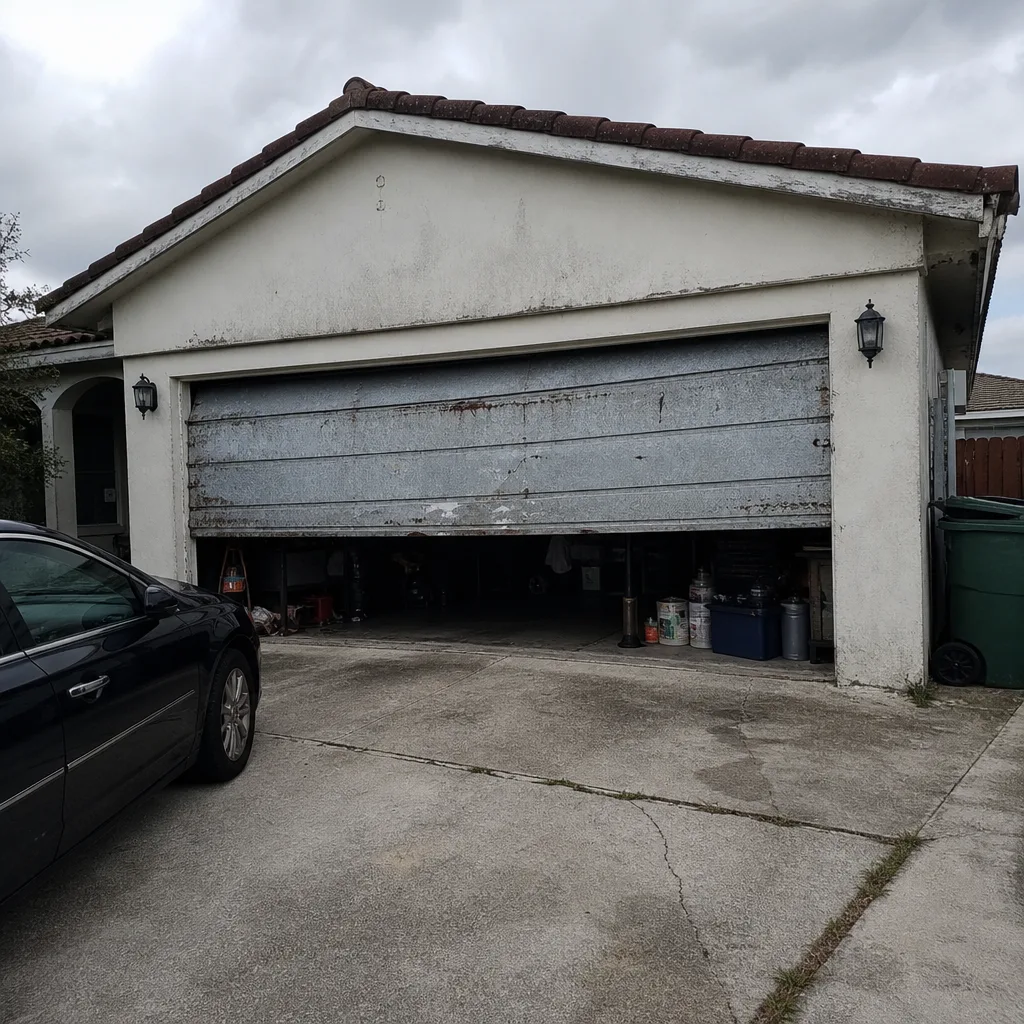 Before
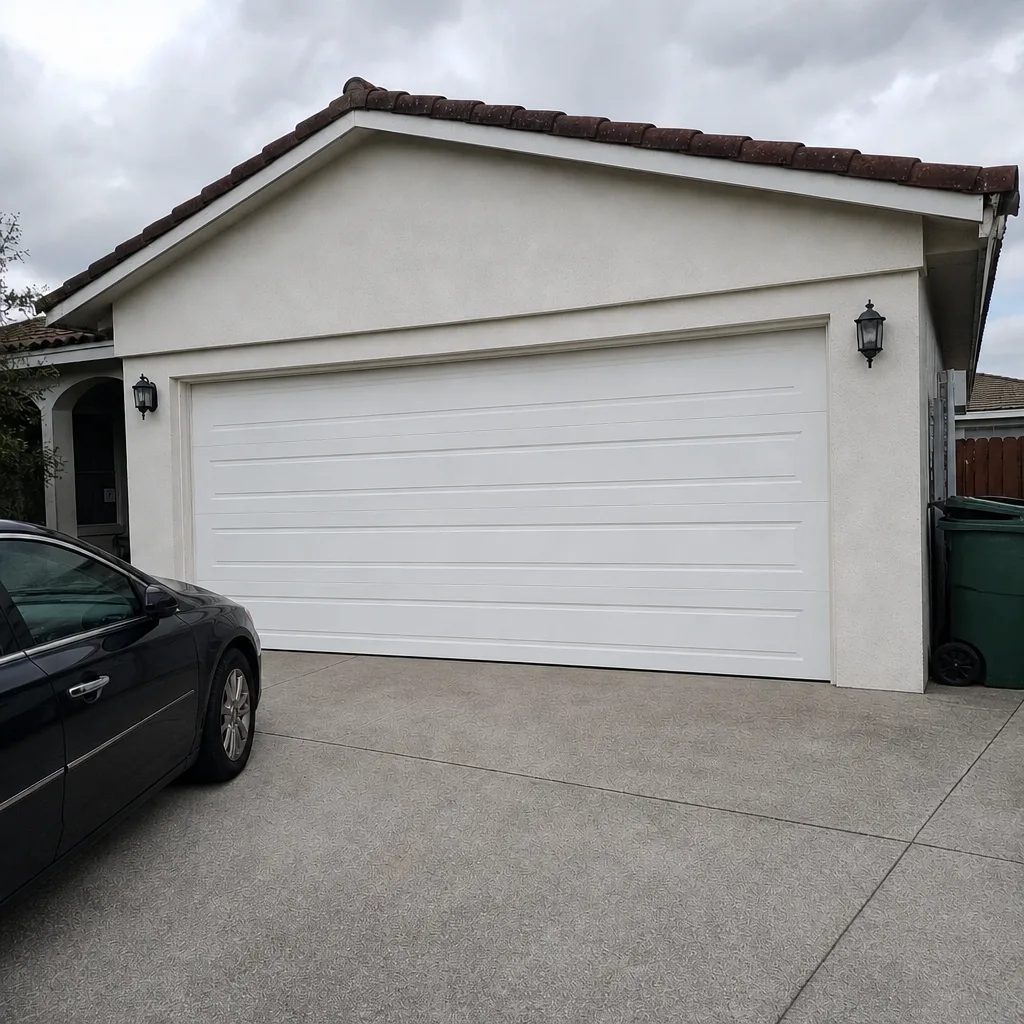 After
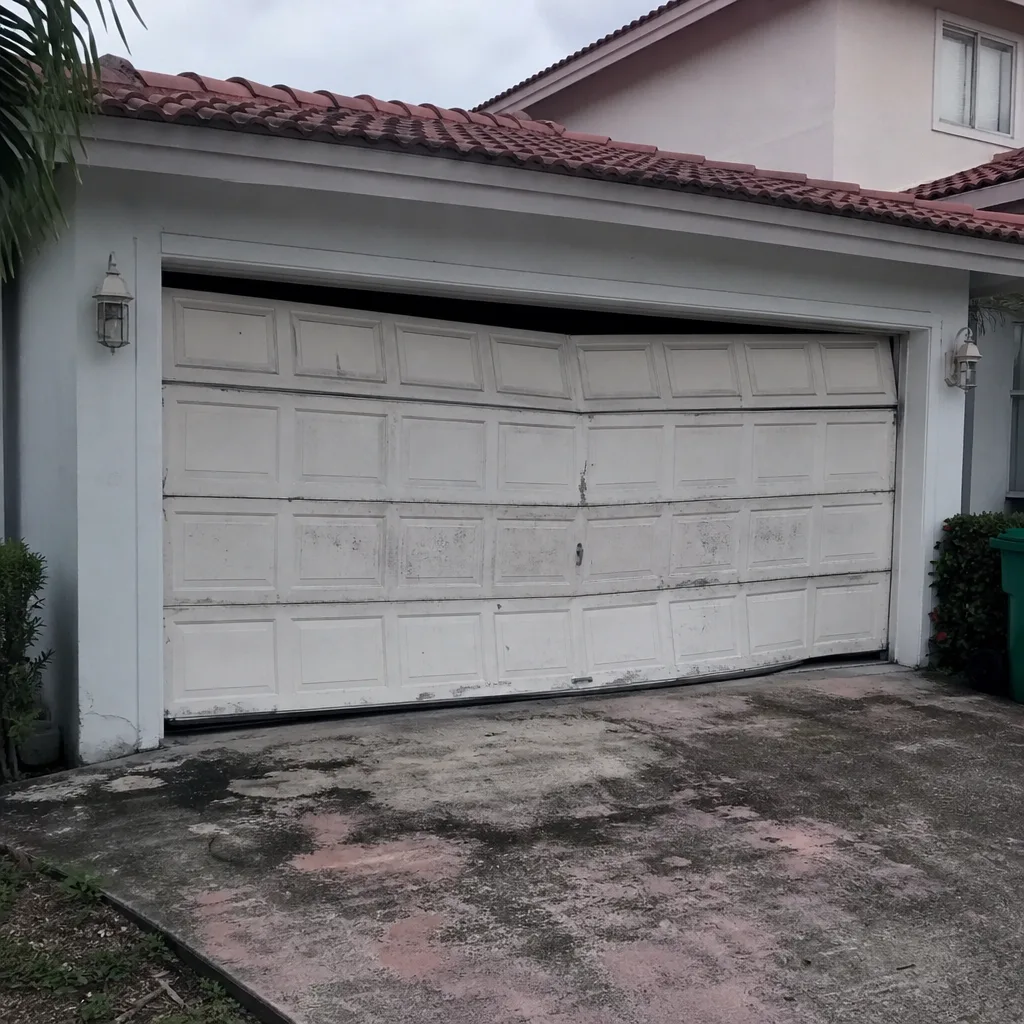 Before
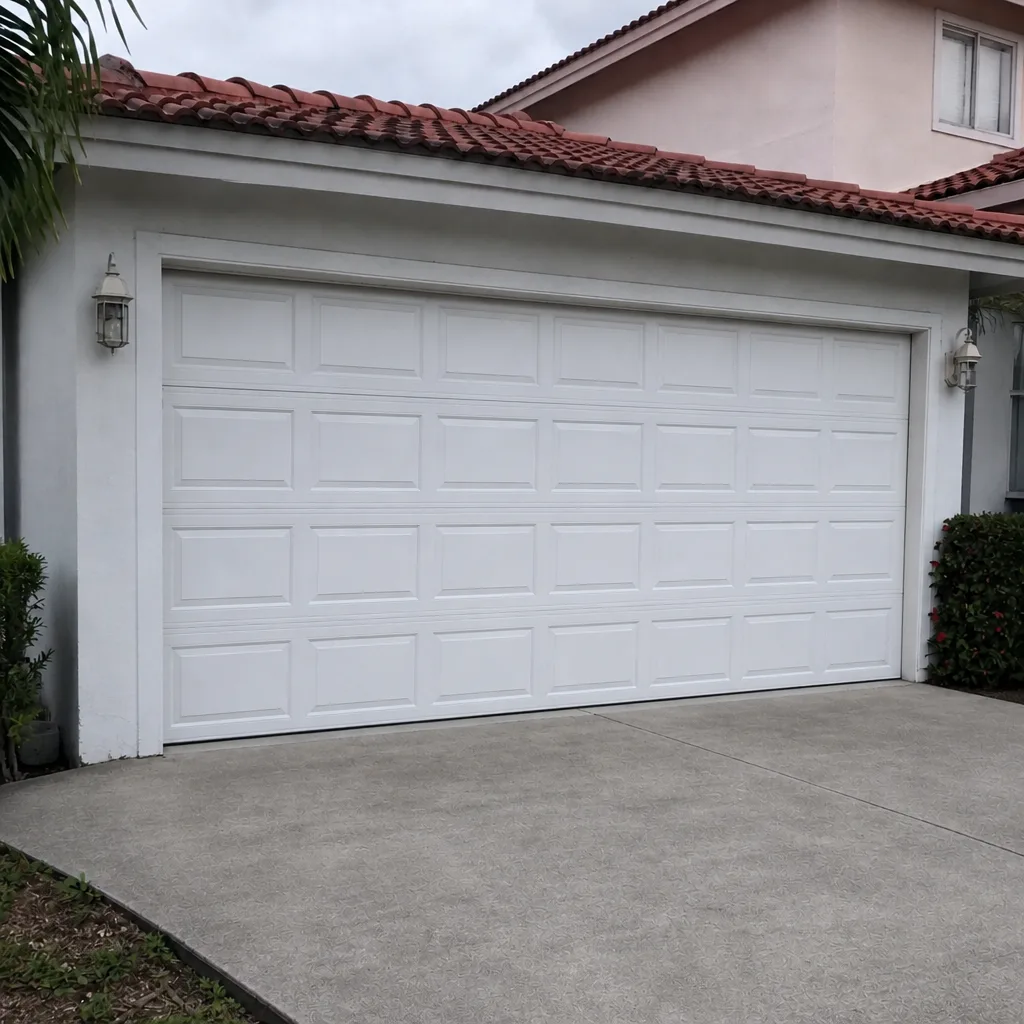 After
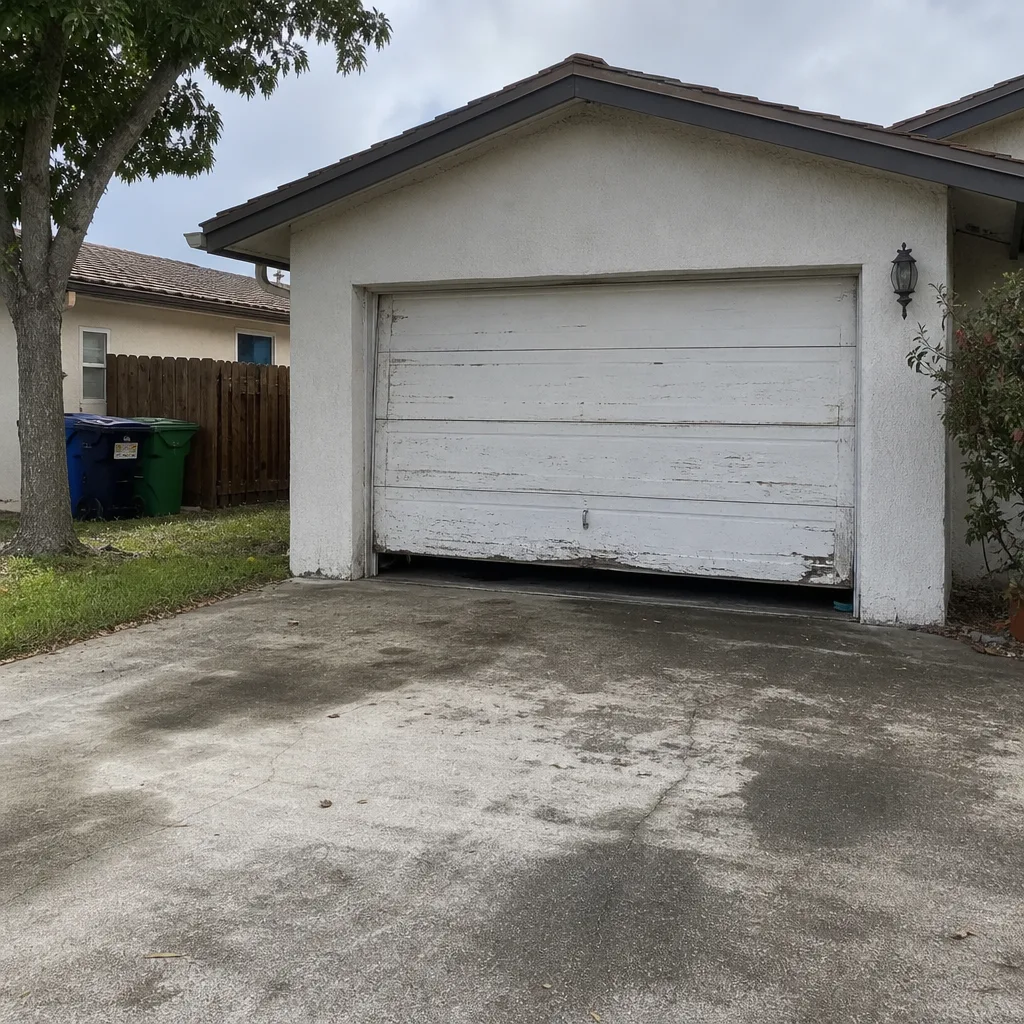 Before
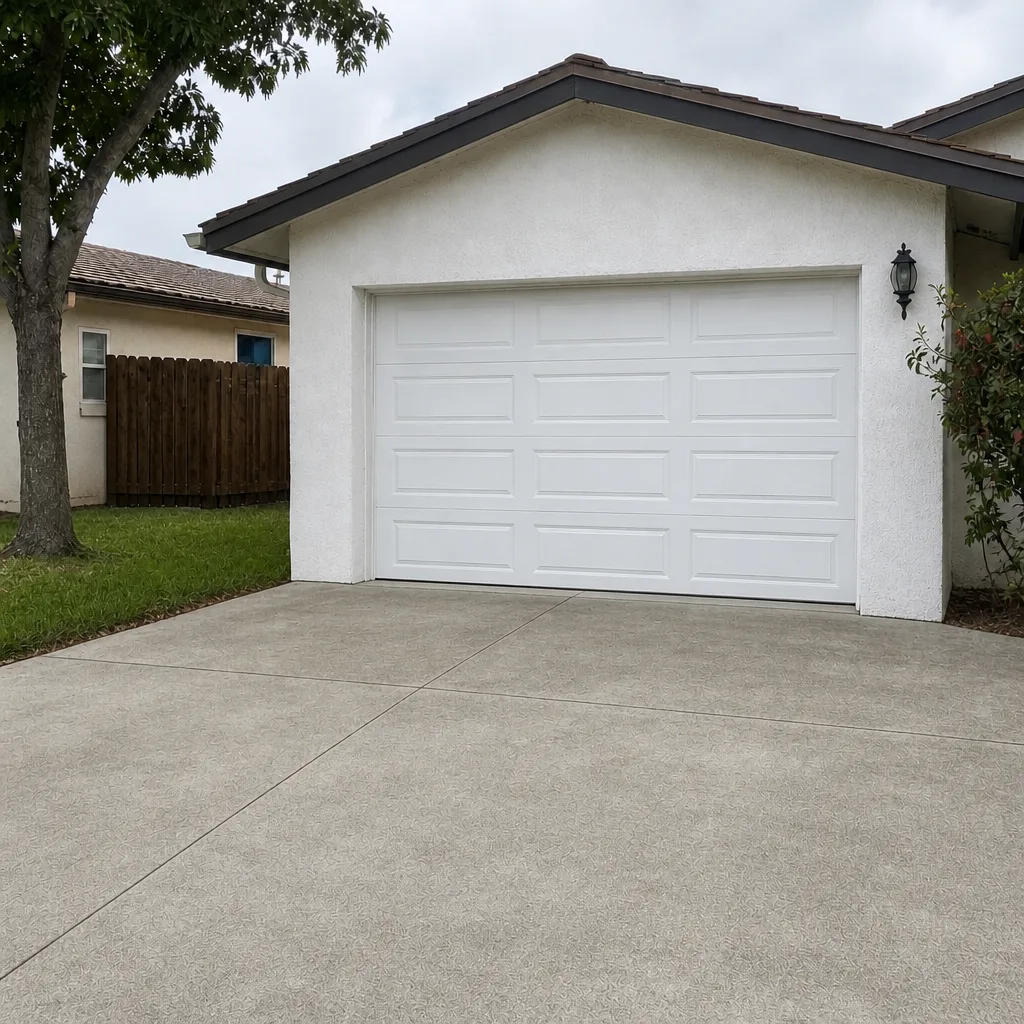 After
When to Call a Professional
Call a technician when your door fails a balance test, when your auto-reverse doesn’t trigger reliably, when you see frayed cables or rusty spring hardware, when the opener won’t respond to remotes or the wall control, or when a panel has separated or cracked. Also call if you’re not sure – a free estimate costs nothing, and we’d rather tell you the door is fine than have you discover the problem at 7 a.m. with the car inside. Claims about Doral Garage Door Repair Co’s local presence should be specific: we’re a Doral-focused garage door specialist, not a general handyman. Doral Garage Door Repair Co offers free estimates in Doral – call (866) 937-8410.
Frequently Asked Questions
Monthly for the hinges, rollers, and springs, with a silicone-based lubricant rather than WD-40. Doral’s humidity drains lubricant faster than dry climates, so a door that’s lubricated once a year up north should be lubricated monthly here to stay ahead of wear.
The balance test measures whether the door holds itself open at waist height – it tests the springs. The auto-reverse test measures whether the door reverses when it hits an obstruction or the safety sensors detect one – it tests the opener and sensors. You need both, and both can be done in about five minutes.
No. A torsion spring stores enough energy to cause serious injury if it releases or is mishandled. This is a job for a trained technician. If your spring is broken, don’t run the door until it’s replaced – the opener will lift the door alone, and it isn’t designed for that load.
Possibilities include a stripped gear in the opener, a broken spring (the door is too heavy to lift), a disengaged trolley from a manual release, or a bad logic board. Stop cycling the opener and call a technician. Running the opener against a door that won’t move will burn out the motor or warp the rail.
It’s a good idea. Power outages happen during storm season, and a battery backup lets you get the door open without pulling the manual release in the dark. Many current-model Chamberlain and LiftMaster openers include one. Test it every six months by unplugging the opener and cycling the door.
Look for a label on the door itself or on the inside of a panel that lists a wind-load rating. If you can’t find one, the door may predate current requirements. Ask your city’s building department what rating applies to your home, or have a technician inspect the door and confirm what it’s rated for.
The Bottom Line
A maintenance checklist that works in Doral looks different from a checklist that works in Ohio. Top of the list: monthly lubrication with silicone spray, not WD-40. Then quarterly balance, auto-reverse, and rust inspections. Then a full storm-season review before June. Springs, cables, and opener electronics stay on the inspection-only list – call a technician if you see a problem there. The other items on this list are yours to do. Run the checklist, and you’ll catch most failures before they become emergency calls. When something does go wrong, we can help – our technicians have up to 13 years of experience, and we service LiftMaster, Chamberlain, Genie, Clopay, Amarr, Wayne Dalton, Craftsman, and Raynor doors and openers.
Call Doral Garage Door Repair Co at (866) 937-8410 for a free estimate on any garage door repair, opener repair, spring service, or new door installation in Doral. Estimates are free, pricing is quoted and agreed before any work starts, and we’ll tell you honestly whether the door needs a fix or needs replacing.
Written by the team at Doral Garage Door Repair Co.