Last updated November 23, 2026
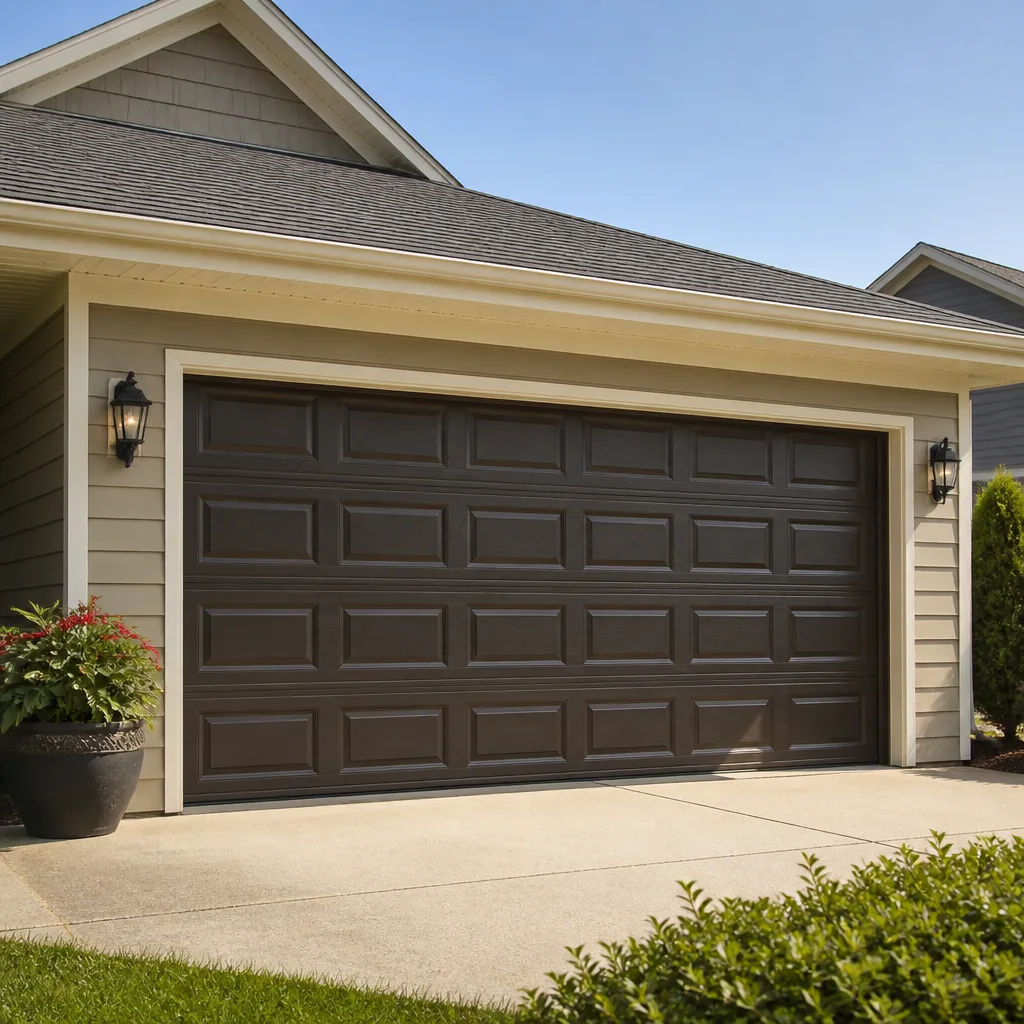 Raised-panel steel
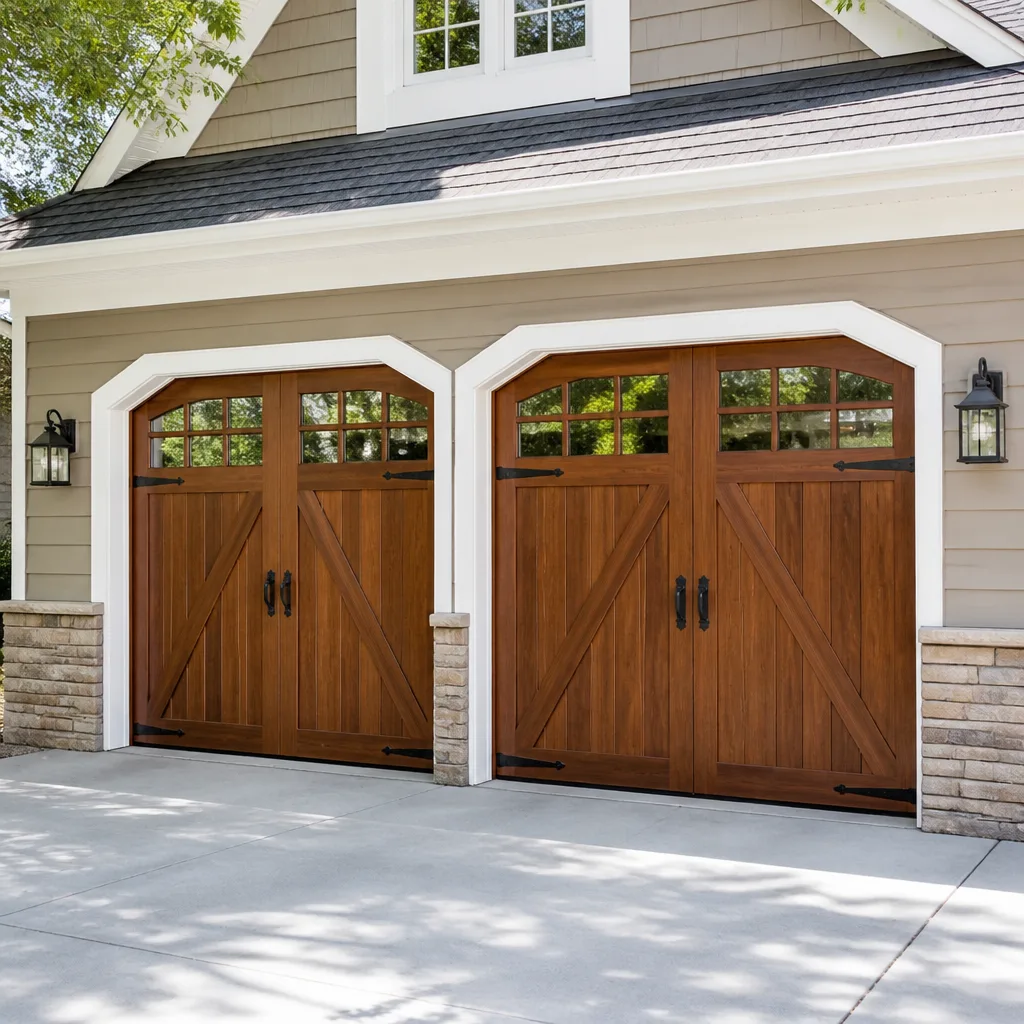 Carriage house
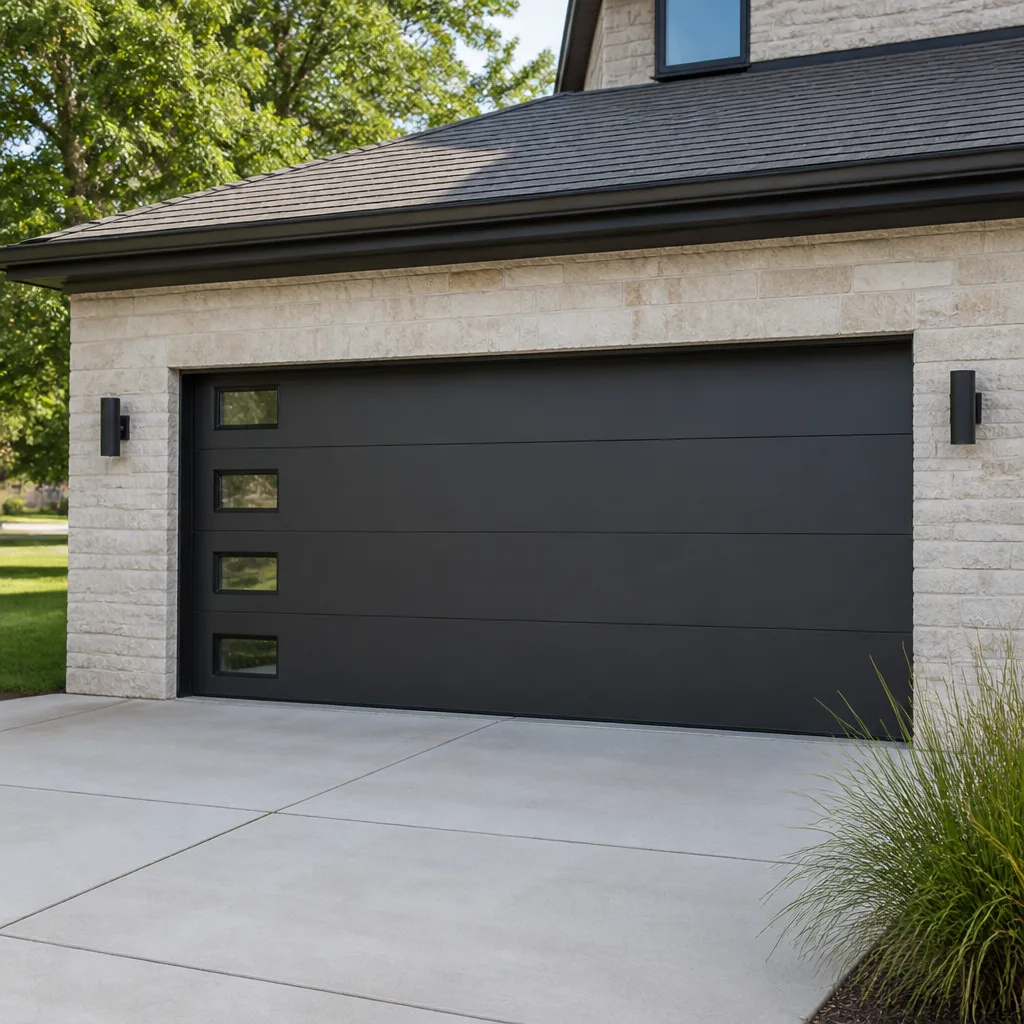 Modern flush
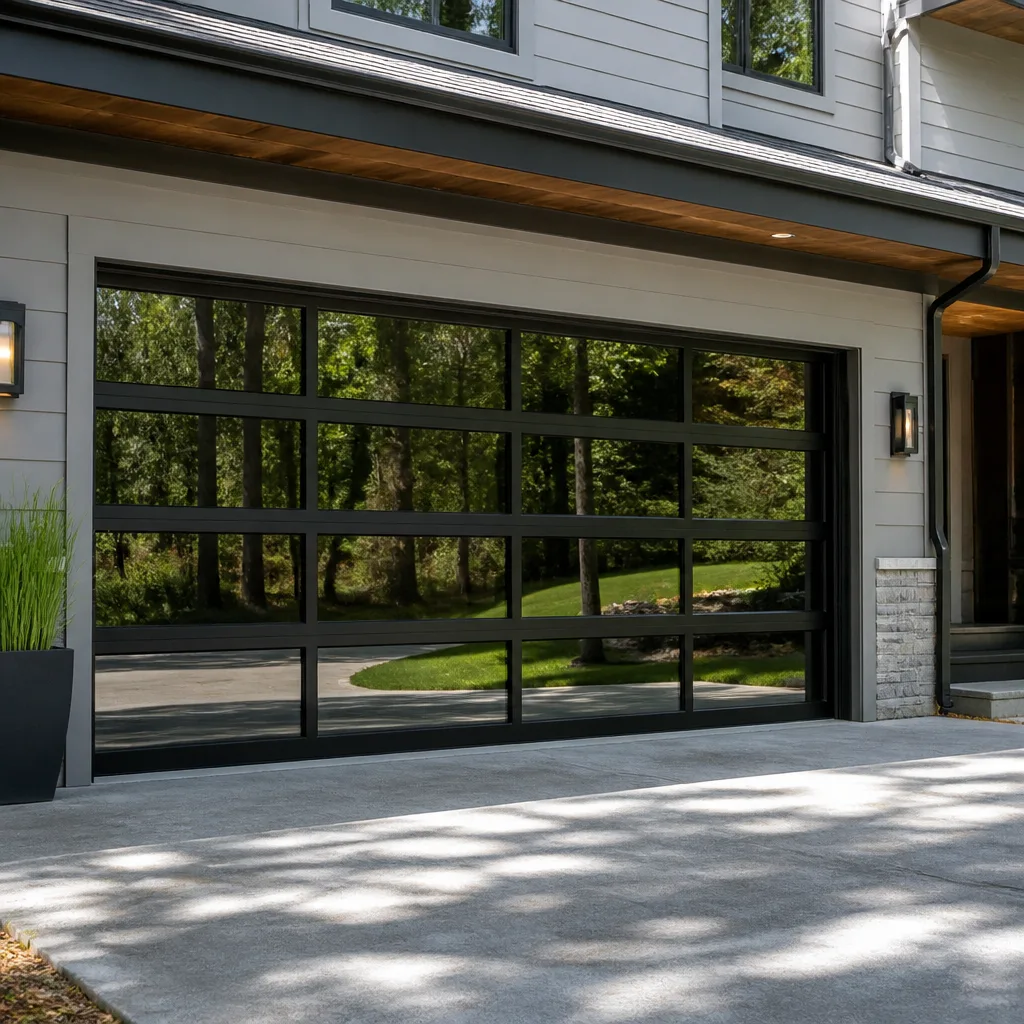 Full-view glass
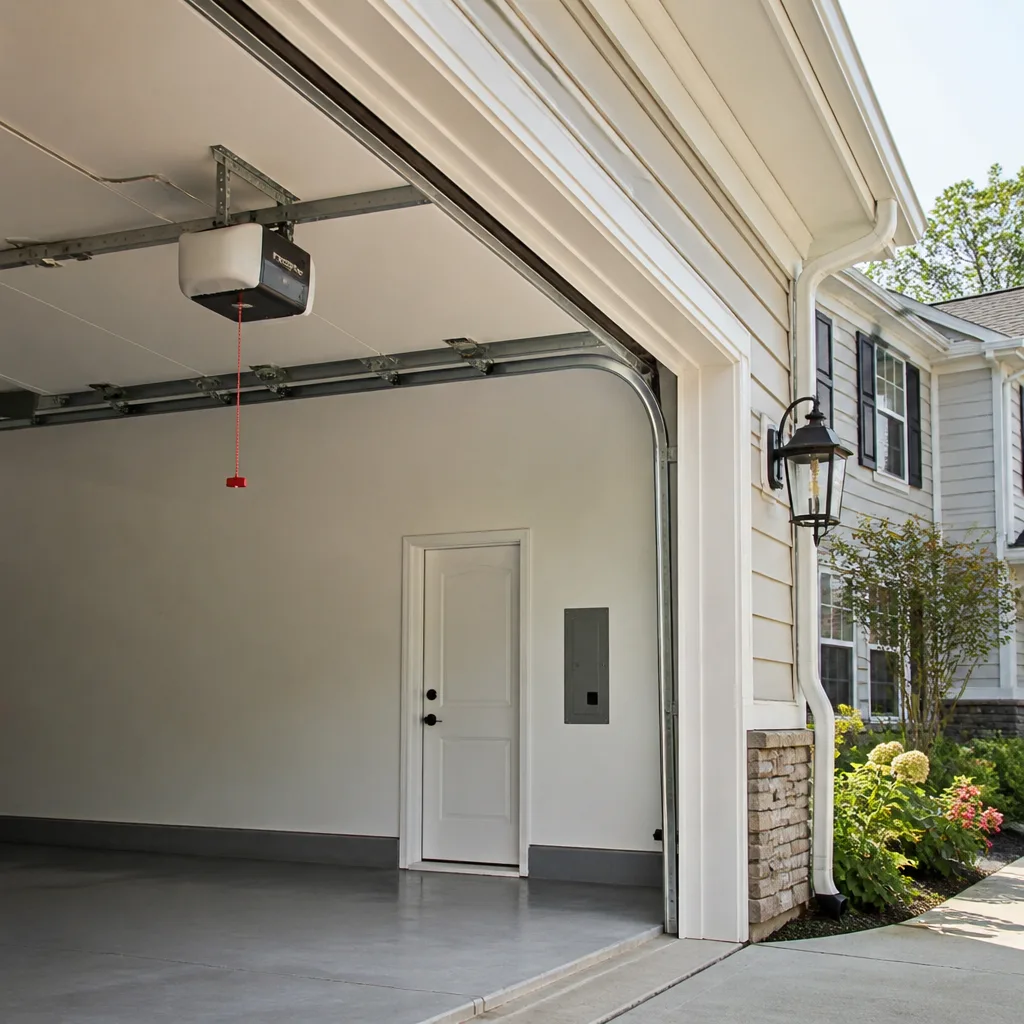 LiftMaster openers
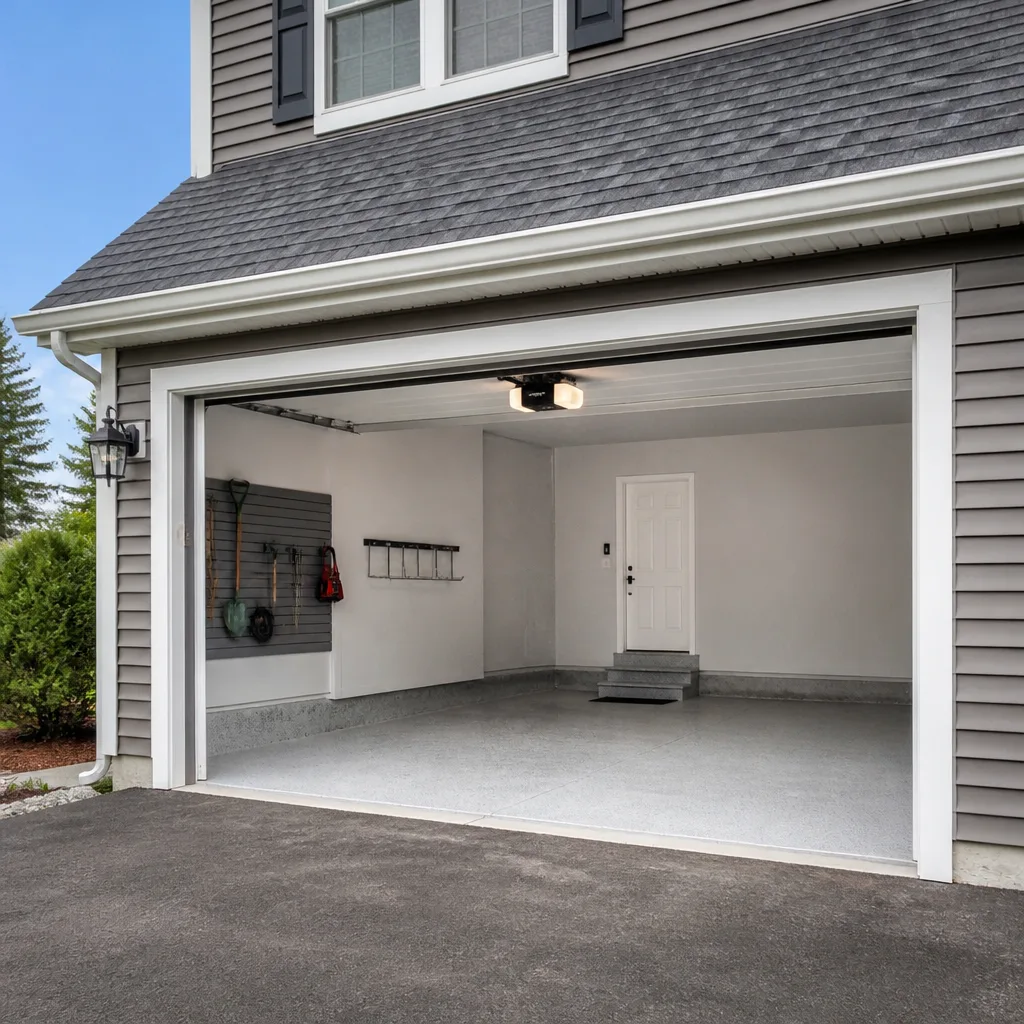 Chamberlain openers
Full 25-point door and opener safety check with every visit - springs, cables, rollers, tracks, and your LiftMaster or Chamberlain opener included
You get a price before we start. It does not change when the pro arrives.
Get your free estimateGarage Door Repair Maintenance Schedule: What to Do and When
A torsion spring rated for 10,000 cycles in a northern climate can fail closer to 7,000 cycles in Doral. That’s the part most maintenance advice gets wrong. The generic “lubricate twice a year and you’re fine” schedule was written for a national average that doesn’t match how doors actually age here, where heat bakes the grease out of hinges and humidity works on steel you never see. A spring doesn’t snap because you skipped one oiling. It snaps because hundreds of small environmental hits stacked up quietly, then the coil gave out. This guide lays out a maintenance calendar built for South Florida conditions, month by month, so you can catch the wear before it becomes a morning with a car stuck inside. We’ll cover what to check and when, which lubricants survive 90-degree heat, a no-tools test for spring balance, and which tasks you should never attempt yourself.
Quick Answer
A garage door in Doral should be inspected monthly, lubricated every two months during the wet season and every three to four months in the drier stretch, and balanced-tested with a four-foot lift twice a year. Weatherstripping gets a full check before hurricane season and again in late fall. Springs and cables should only be inspected by a trained technician, never adjusted by a homeowner.
Styles & brands we work with
- Raised-panel steel
- Carriage house
- Modern flush
- Full-view glass
- LiftMaster openers
- Chamberlain openers
Table of Contents
- Why a Doral Garage Door Ages Faster Than the Manual Says
- The Month-by-Month Maintenance Calendar
- Which Lubricants Hold Up in Doral Heat
- The Four-Foot Lift Test for Spring Balance
- Weatherstripping and Hurricane Prep
- Which Tasks Void Your Warranty and Which Keep It Valid
- Opener Maintenance Most People Skip
- When to Stop and Call a Professional
Why a Doral Garage Door Ages Faster Than the Manual Says
The maintenance intervals printed in most door manuals assume moderate temperatures and moderate humidity. Doral runs neither. Summer afternoons routinely hit the low 90s, the wet season runs roughly May through October with near-daily thunderstorms, and the humidity stays high the rest of the year. That combination puts every moving part on a compressed timeline.
Here’s what actually happens. Heat thins the lubricant film on rollers, hinges, and the torsion bar bearings until metal runs on metal. That’s where the grinding sound comes from. Humidity, meanwhile, works on bare steel in places you can’t see, like the inside of the torsion coil and the buried strands of a lift cable. A spring can look perfectly fine from the driveway and be losing cross-section from the inside.
There’s also a cycle math problem. Door cycles are counted every time the door opens or closes. A household that leaves and returns several times a day racks up cycles fast, and the spring’s rated life shrinks when heat and moisture are in play. That’s why we tell Doral homeowners to think about maintenance in terms of use, not just calendar time.
What this means practically: the calendar in this guide front-loads the checks that matter most in South Florida, and it treats the wet season as a distinct, higher-wear stretch that needs its own attention. If you’d rather have a technician handle the schedule, Doral Garage Door Repair Co is a good place to start, and our technicians have up to 13 years of experience with these conditions.
The Month-by-Month Maintenance Calendar
This is the core of the guide. Print it, stick it inside the garage door, check things off. The tasks are ordered by season, not by an arbitrary “twice a year” rule.
Dry Season (November through April)
- November: Full visual once-over. Look at springs, cables, rollers, hinges, and the bottom seal. Lubricate hinges and rollers.
- December: Four-foot lift test (see the section below). Note any spot where the door feels heavy or drifts.
- January: Tighten all hinge and bracket bolts with a socket wrench. Vibration loosens them slowly.
- February: Test the safety reverse. Put a block of wood in the door’s path and confirm it reverses on contact.
- March: Lubricate the torsion bar bearings and the opener rail (light grease, not oil).
- April: Pre-hurricane weatherstripping check. More on this below.
Wet Season (May through October)
- May: Re-lubricate hinges and rollers. The wet season is when grease gets washed thin by humidity swings.
- June: Balance test again. Heat expands the door panels slightly and can shift balance.
- July: Inspect cables for fraying at the drum and bottom bracket. Rust shows up first at the ends.
- August: Check the opener’s force settings and photo-eye alignment after storm-related power flickers.
- September: Clear the tracks of grit and debris. Storms push in sand and leaf matter.
- October: Full pre-dry-season inspection. This is the moment to catch wear before the busy season.
Every month, in both seasons, do a ten-second look-and-listen: open the door, listen for grinding or squealing, and look for anything obviously loose. Most failures announce themselves days before they happen.
Which Lubricants Hold Up in Doral Heat
Not all garage door lubricants are built for 90-degree summers. The wrong one gums up, attracts grit, and actually accelerates wear. This is one of the most common maintenance mistakes we see in Doral.
What works
- White lithium grease (in a spray): holds up to heat and doesn’t drip. Good for hinges, rollers, and the opener rail.
- Silicone spray: the right choice for the weatherstripping and for nylon rollers. It doesn’t swell rubber or plastic.
- Light machine oil: for the torsion bar bearings and the opener’s drive screw. A few drops, not a soak.
What to avoid
- WD-40 as a lubricant: it’s a penetrating oil and a water displacer, not a long-term lubricant. It thins existing grease and evaporates. It has its place for loosening a stuck bolt, not for maintaining hinges.
- Heavy grease in a tub: it thickens in the cold (rare here) but more importantly it collects grit in a hot environment and turns into a grinding paste.
- Cooking spray or household oil: they run, they attract dust, and they don’t stay put in the heat.
One practical rule: apply less than you think you need. A thin film does the job. A dripping hinge is a magnet for sand and dust, and in a Doral garage that dust is everywhere.
The Four-Foot Lift Test for Spring Balance
You can test whether your springs are still doing their job without a single tool. This is the single most useful thing a homeowner can do, and it takes about thirty seconds.
Here’s the test, step by step:
- With the door fully closed, pull the release cord on the opener trolley so the door is disconnected from the opener.
- Lift the door by hand to about waist height. Note how heavy it feels.
- Let go gently. A healthy door should stay roughly in place, maybe drift a few inches.
- Now lift it to about four feet off the ground. Note the effort.
- Release. A balanced door holds at four feet. A door whose springs are losing tension will creep down. A door with too much tension will shoot up.
- Reconnect the trolley when you’re done.
If the door feels heavy, drops fast, or won’t hold at four feet, your springs have lost tension. That’s a warning, not a diagnosis. It tells you to stop using the door and get it looked at.
What you must not do: never try to adjust spring tension yourself. A winding bar that slips under load can cause severe injury, and the torsion spring assembly is under enough force to do real damage. This is the one task we always tell Doral homeowners to leave to a trained professional. If the test shows a problem, that’s a call to us, and garage door spring repair is handled by technicians who do this every day.
Weatherstripping and Hurricane Prep
In Doral, weatherstripping is not a cosmetic item. It’s part of how the door performs against wind-driven rain and how well it seals the air-conditioned envelope of the house. It deserves a place on the hurricane prep calendar, not just a “replace it when it looks bad” afterthought.
Check the weatherstripping at two points in the year:
- Before hurricane season (typically late April or May): walk the perimeter of the closed door and press on the seal at the bottom and the sides. It should feel springy and sit flat against the door. Look for cracks, tears, or a gap where light comes through.
- After the wet season (October): check for swelling, mold, or a seal that has hardened and lost its compression. Heat and humidity take a toll on rubber over one summer.
While you’re checking the seal, look at the bottom bracket and the track where the door meets the floor. Standing water during a storm can sit there and accelerate corrosion. Clear any debris that traps water.
If you’re doing a broader pre-storm inspection, our garage door repair technicians can check the whole system, not just the seal. We’d rather find a worn bracket in May than have it fail during a storm in September.
Which Tasks Void Your Warranty and Which Keep It Valid
Manufacturer warranties on doors and openers are specific about what a homeowner can and can’t do. Getting this wrong can cost you coverage on an expensive part. Here’s the practical split.
Safe for a homeowner
- Lubricating hinges, rollers, and the opener rail with the manufacturer-recommended lubricant
- Cleaning the tracks and clearing debris
- Testing the safety reverse and the photo-eye sensors
- Replacing weatherstripping (with a compatible product)
- Tightening visible hinge and bracket bolts
Keep to a professional
- Any adjustment to torsion or extension springs
- Replacing springs, cables, or drums
- Working on the opener’s internal drive or electronics beyond a battery change
- Modifying the door’s structure or adding aftermarket hardware
The main warranty gotcha is using a non-recommended lubricant or overtightening bolts, which can strip brackets. The other is having a general handyman do spring work with the wrong tools, which can void coverage on the entire door assembly. Brands like Clopay, Amarr, Wayne Dalton, and Craftsman all publish their own maintenance requirements, and reading the small print on your door or opener is worth ten minutes. If you’re unsure whether a task is covered, ask before you start. A quick call now saves a warranty argument later.
Opener Maintenance Most People Skip
Opener maintenance gets skipped because the door is the visible part. But the opener is doing its own wear and its own damage, quietly, behind the rail. Dedicated garage door opener repair is a big part of what we handle in Doral, and most of it starts with the maintenance items below.
Once a quarter, check these:
- Force settings: the opener has settings for how much force it uses to open and close. Too high and it can crush an obstacle; too low and it stops mid-travel. Check the manual for the right setting.
- Photo-eye alignment: the two sensors at the bottom of the tracks should have their indicator lights on and steady. A bump or an overgrown plant can break the beam.
- Limit settings: the door should stop flush at the floor and fully open without hitting the header. If it slams or stops short, the limits need attention.
- Belt or chain tension: a loose or overly tight drive is a common source of noise and premature failure. Slow wear, not sudden.
- Battery backup: if your opener has one, test it. In a storm-prone area, it’s the difference between a working door and a dead one during an outage.
Openers from LiftMaster, Chamberlain, and Genie each have their own quirks in how to adjust these. Knowing the specific unit is why factory familiarity matters. Our technicians have up to 13 years of experience with the major brands, so the diagnosis doesn’t start from zero.
When to Stop and Call a Professional
Some tasks are homeowner-safe. Others aren’t, and the line between them matters. Stop and call a professional if you see any of these:
- A spring that’s visibly broken, or a door that’s suddenly very heavy to lift
- A cable that’s frayed, kinked, or hanging loose
- The door off its track, or a roller that’s come out of the track
- A door that’s stuck closed or stuck halfway, and won’t respond to the opener
- Repeated opener faults after a storm or power outage that cycling the breaker doesn’t fix
Some of these are safety issues, not maintenance items. A door that’s stuck open leaves the house exposed. A door that’s stuck closed traps the car. Either way it’s urgent, which is why emergency garage door service is a core part of what we do, not an upsell. Doral Garage Door Repair Co offers free estimates in Doral, and you can call (866) 937-8410 to arrange one. We handle springs, openers, panels, and full installs, so you won’t outgrow the relationship when repair is no longer the answer.
See the difference
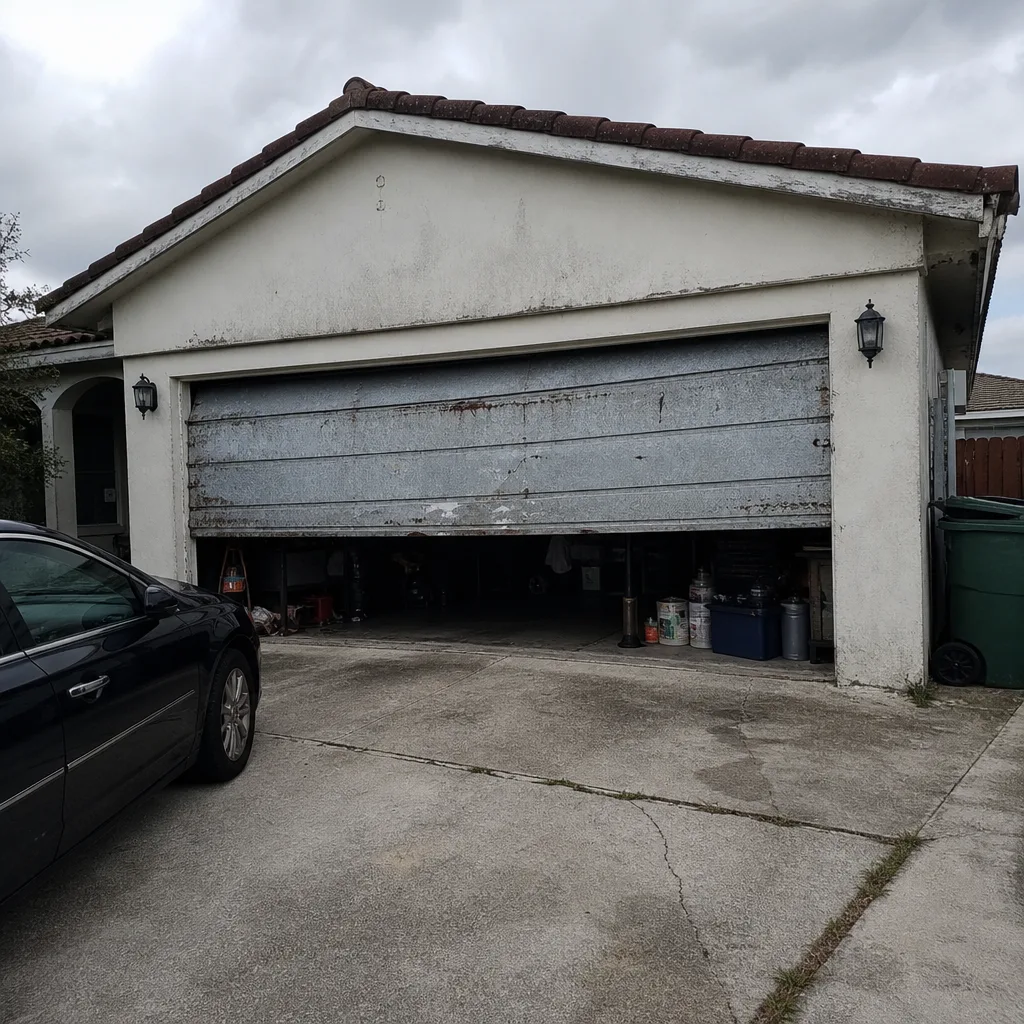 Before
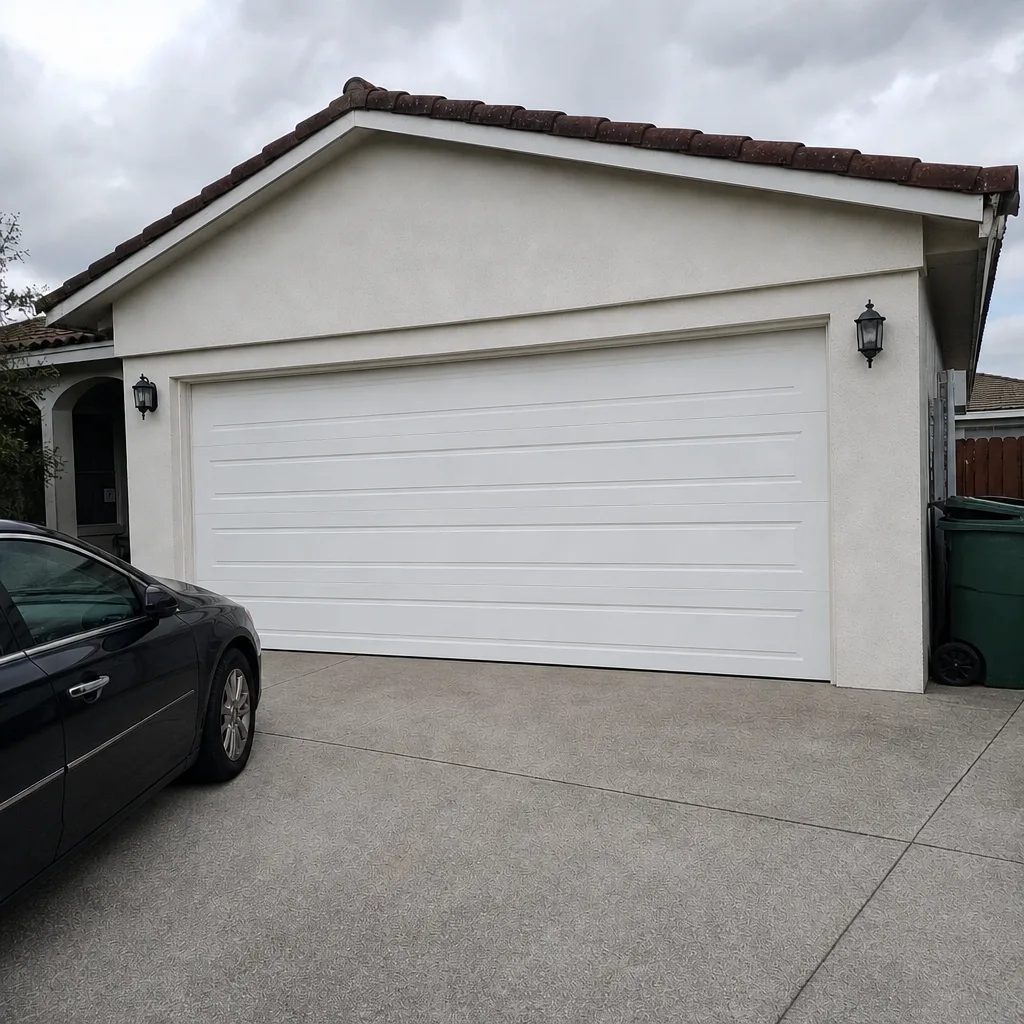 After
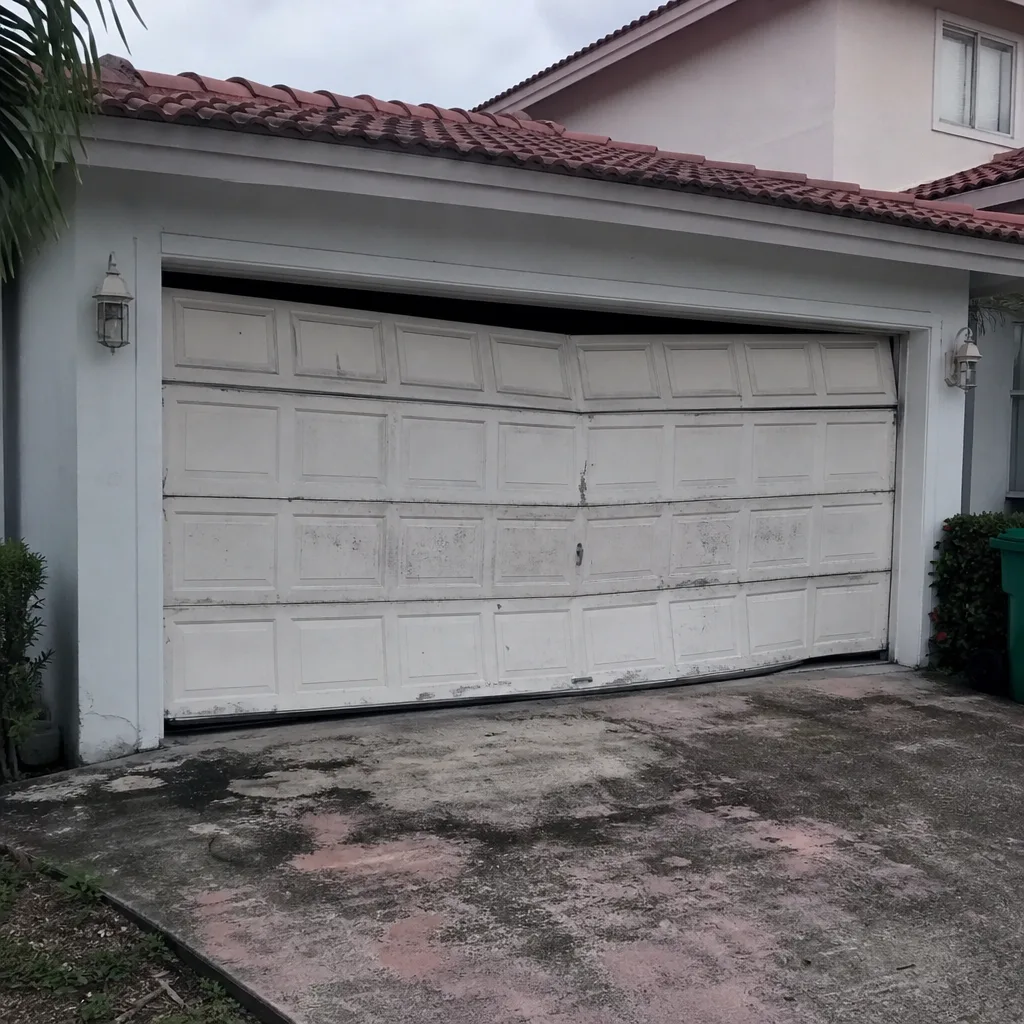 Before
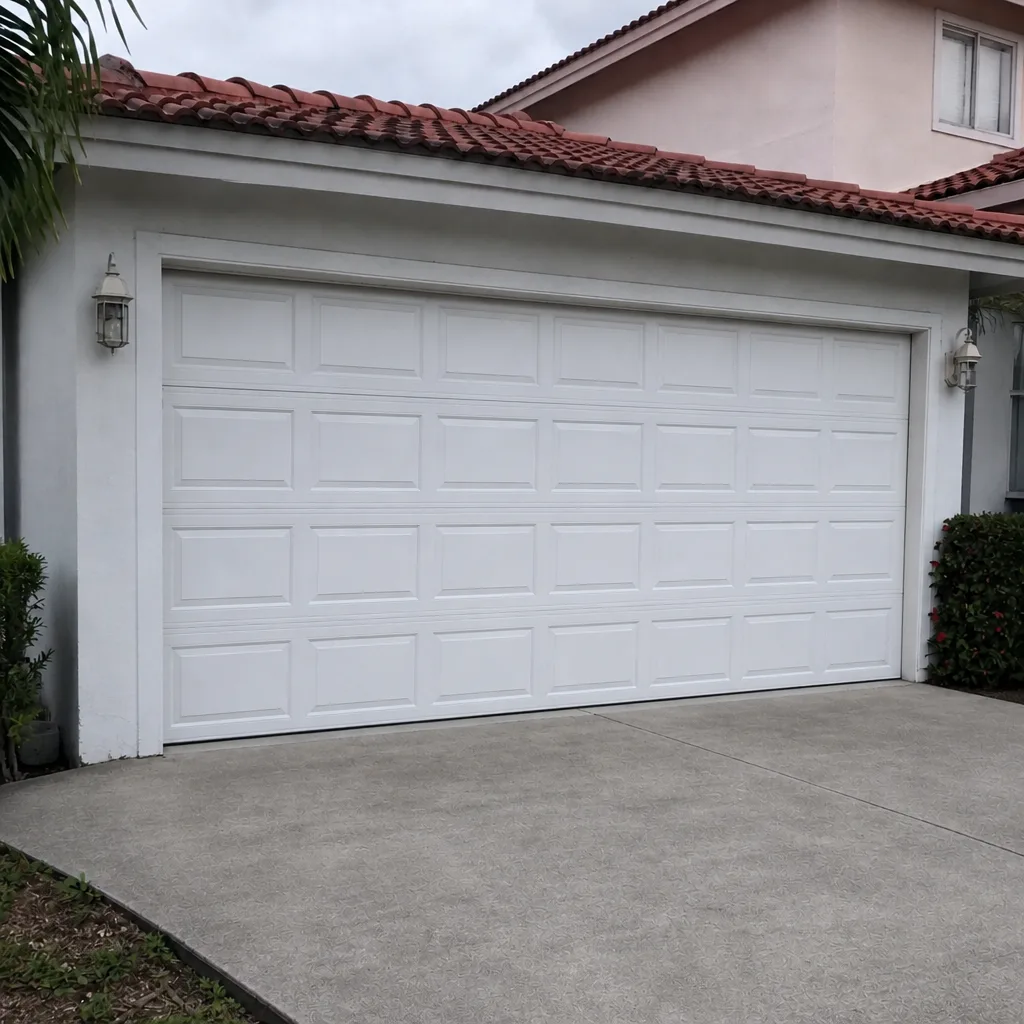 After
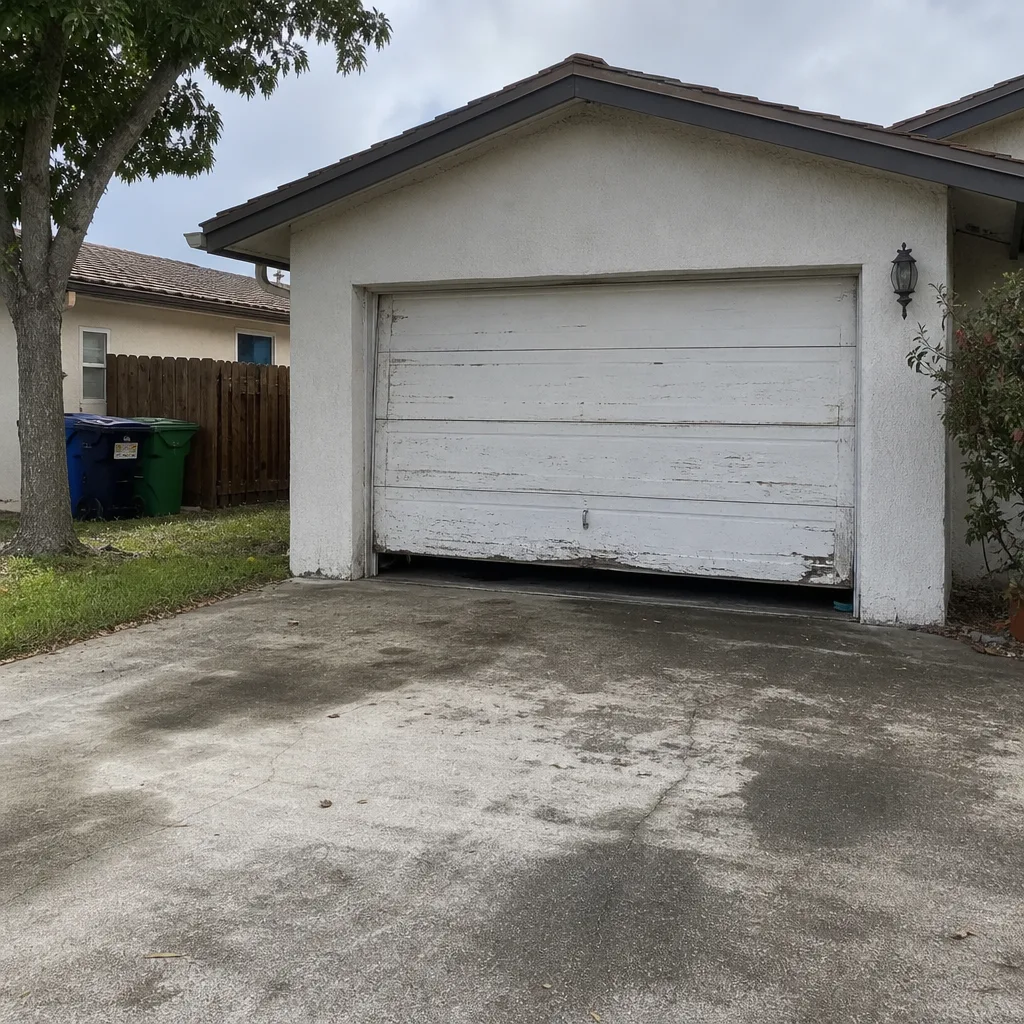 Before
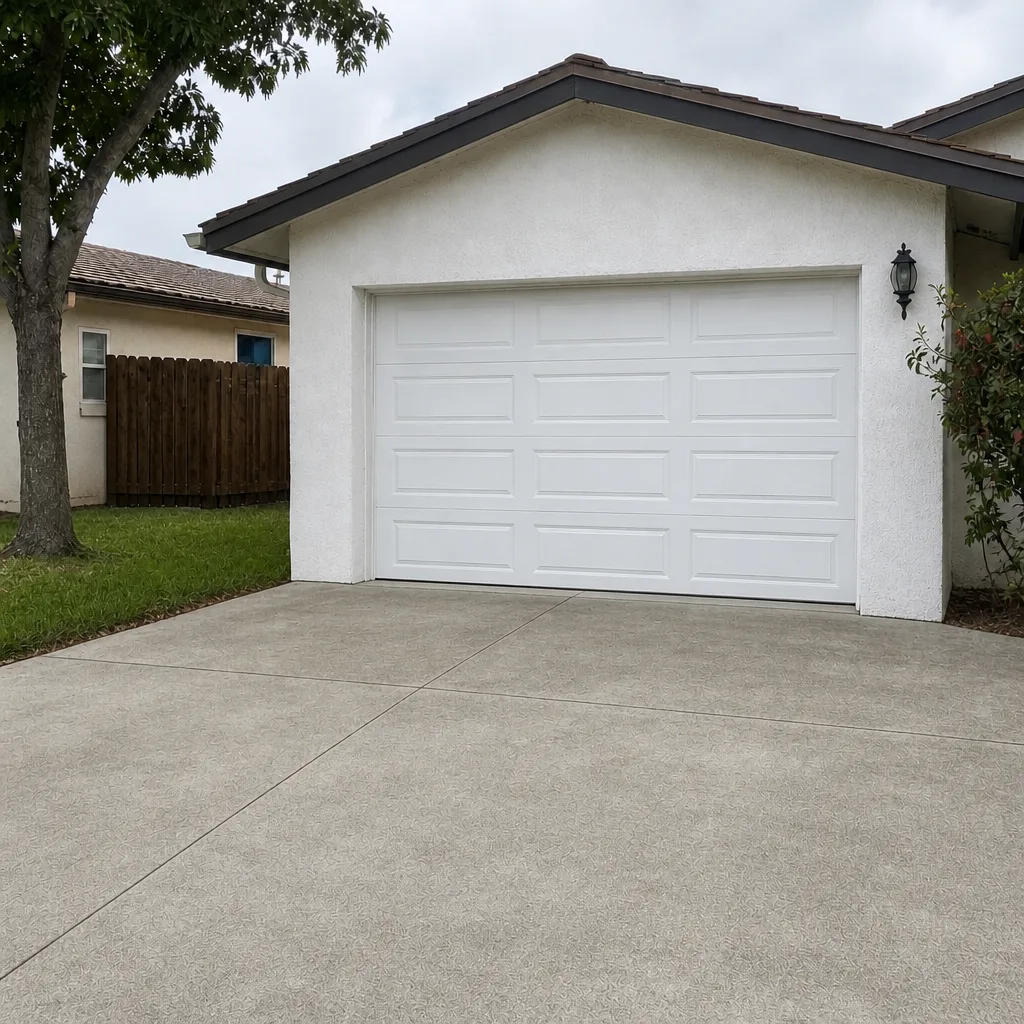 After
Common Mistakes to Avoid
- Lubricating the tracks. Tracks should be clean and dry, not oiled. Grease on the tracks collects grit and causes the rollers to slide instead of roll. Too many Doral homeowners do this because a neighbor told them to.
- Using WD-40 as a lubricant. It’s a water displacer, not a long-term lubricant. It thins the grease already there and evaporates in the heat. Use white lithium or silicone instead.
- Adjusting spring tension yourself. This is the most dangerous thing on the whole door. A torsion spring is under enough load to break bones, and the tools are specific. Leave it to a technician.
- Skipping the balance test because the door “seems fine.” A door can feel normal for months while tension is quietly dropping. The four-foot lift test takes thirty seconds and catches it early.
- Ignoring weatherstripping until it’s shredded. In Doral’s heat and humidity, a seal that looks intact can already be losing compression. The hurricane-season check catches it before wind-driven rain does.
- Overtightening hinge bolts. It strips the threads and deforms the bracket. Snug is enough. A loose bolt is easier to fix than a stripped one.
- Resetting the opener constantly instead of diagnosing. If the opener trips more than once, something is wrong with the force setting, the limits, or a sensor. Cycling the breaker just wears the motor.
Frequently Asked Questions
Once a year is the minimum, and twice a year is better given the heat and humidity. The wet season (May through October) is the higher-wear stretch, so we recommend a check at the start of it and another at the end. Homeowners with heavy daily use should inspect monthly and lubricate more often.
Yes, for the hinges, rollers, and opener rail. Use white lithium grease or silicone spray, apply a thin film, and avoid the tracks entirely. Never attempt to lubricate or adjust the springs. Those require trained hands and the right tools.
It’s a balance check where you disconnect the opener, lift the door by hand to about four feet, and see whether it holds its position. It’s safe as long as you never try to adjust the springs afterward. If the door won’t hold, that’s your signal to call a professional.
Check the weatherstripping, confirm the photo-eye sensors are aligned, and verify the opener’s battery backup (if it has one) is working. Clear the tracks and the bottom bracket of debris that could trap water. If any part is worn, replace it before the season, not after.
Only if you do the wrong tasks or use non-recommended products. Routine lubrication and cleaning are typically fine. Spring work, cable replacement, and opener electronics should always be done by a professional to protect your coverage.
Stop using it and get it looked at. A heavy door with grinding is usually a sign of failing springs or worn rollers. Ignoring it can lead to a snapped spring or a door off its track. Call (866) 937-8410 for a free estimate, and we’ll diagnose it on-site.
The Bottom Line
A garage door in Doral doesn’t follow a national maintenance schedule. Heat, humidity, and storm season compress the wear timeline, and the wet season deserves its own set of checks. Build a monthly habit around the calendar in this guide. Lubricate the right parts with the right product. Run the four-foot lift test twice a year. Inspect weatherstripping before hurricane season and again in October. Leave the springs to trained hands. If you’d rather have the schedule managed for you, our team at Doral Garage Door Repair Co handles springs, openers, panels, and full installs, with free estimates at (866) 937-8410. Whatever brand you have, we know it.
Written by the team at Doral Garage Door Repair Co.