Last updated November 23, 2026
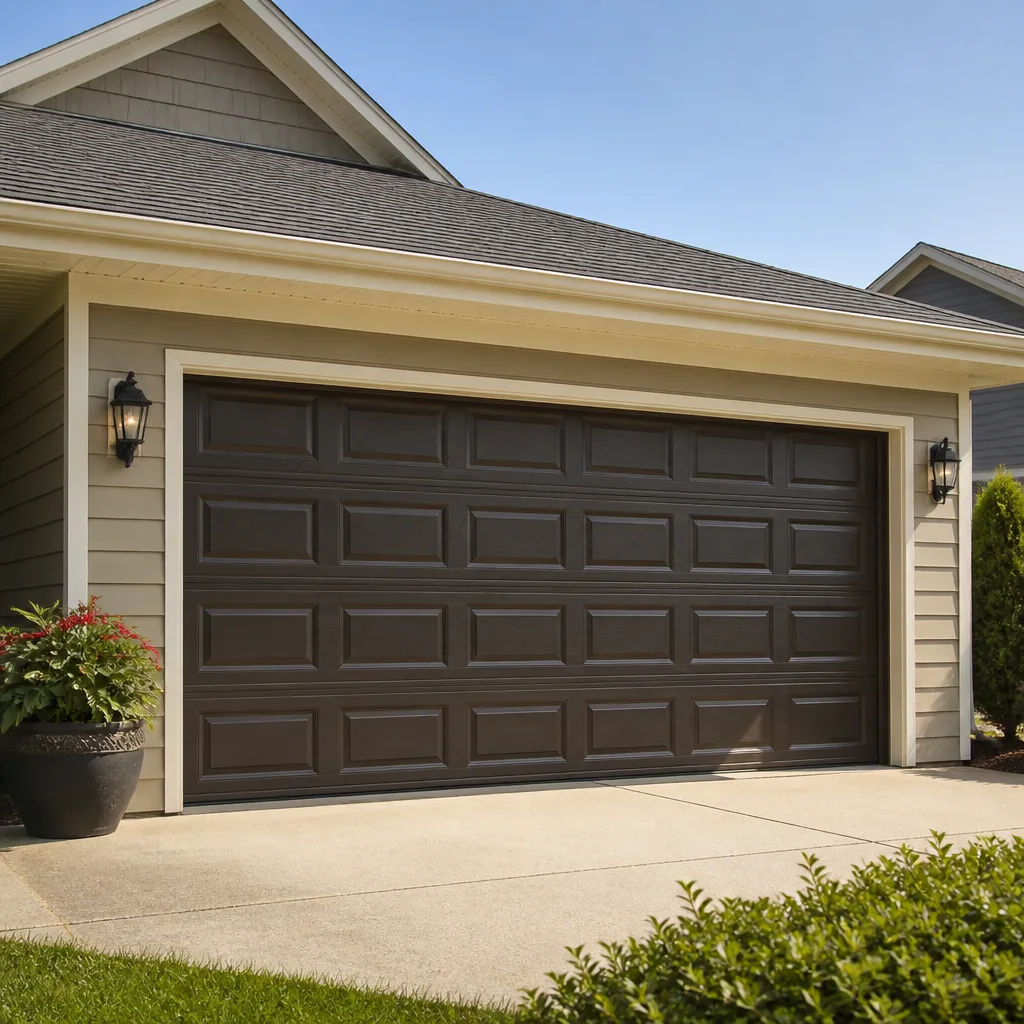 Raised-panel steel
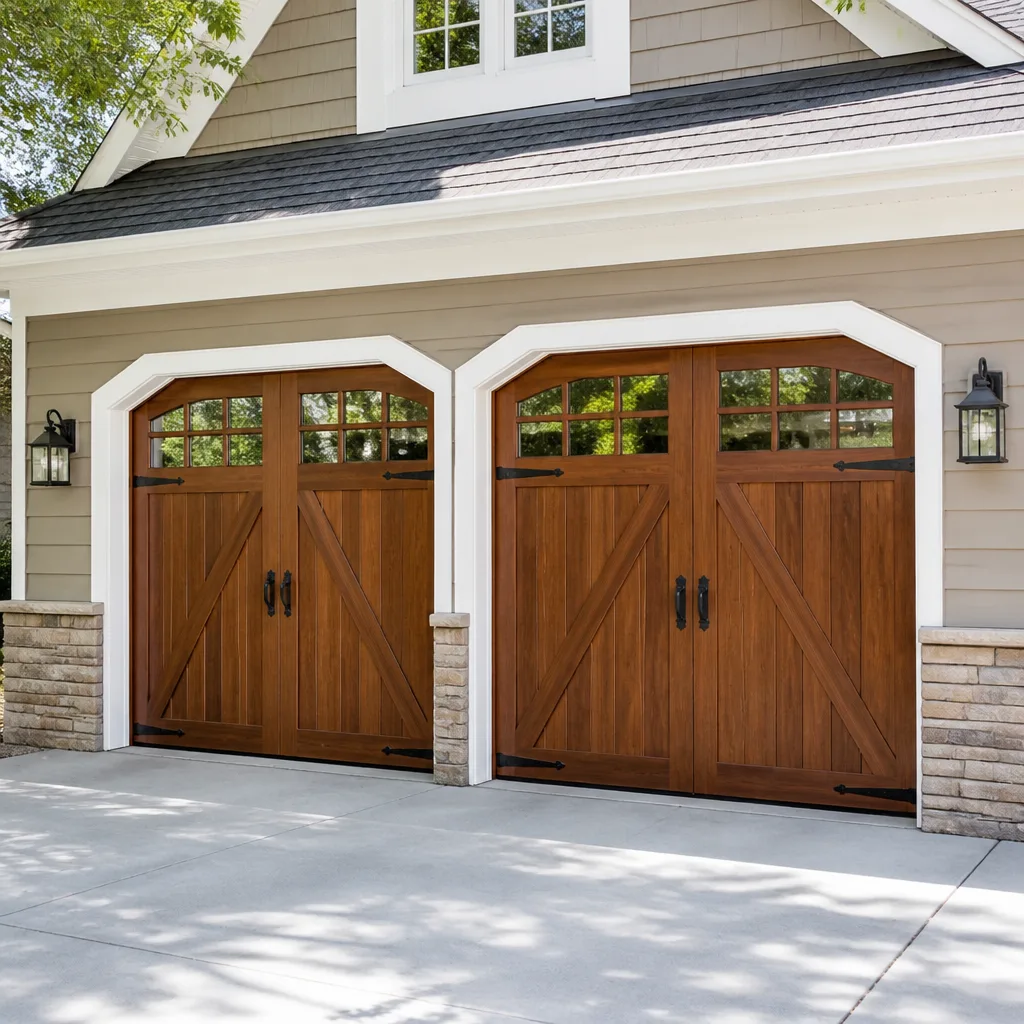 Carriage house
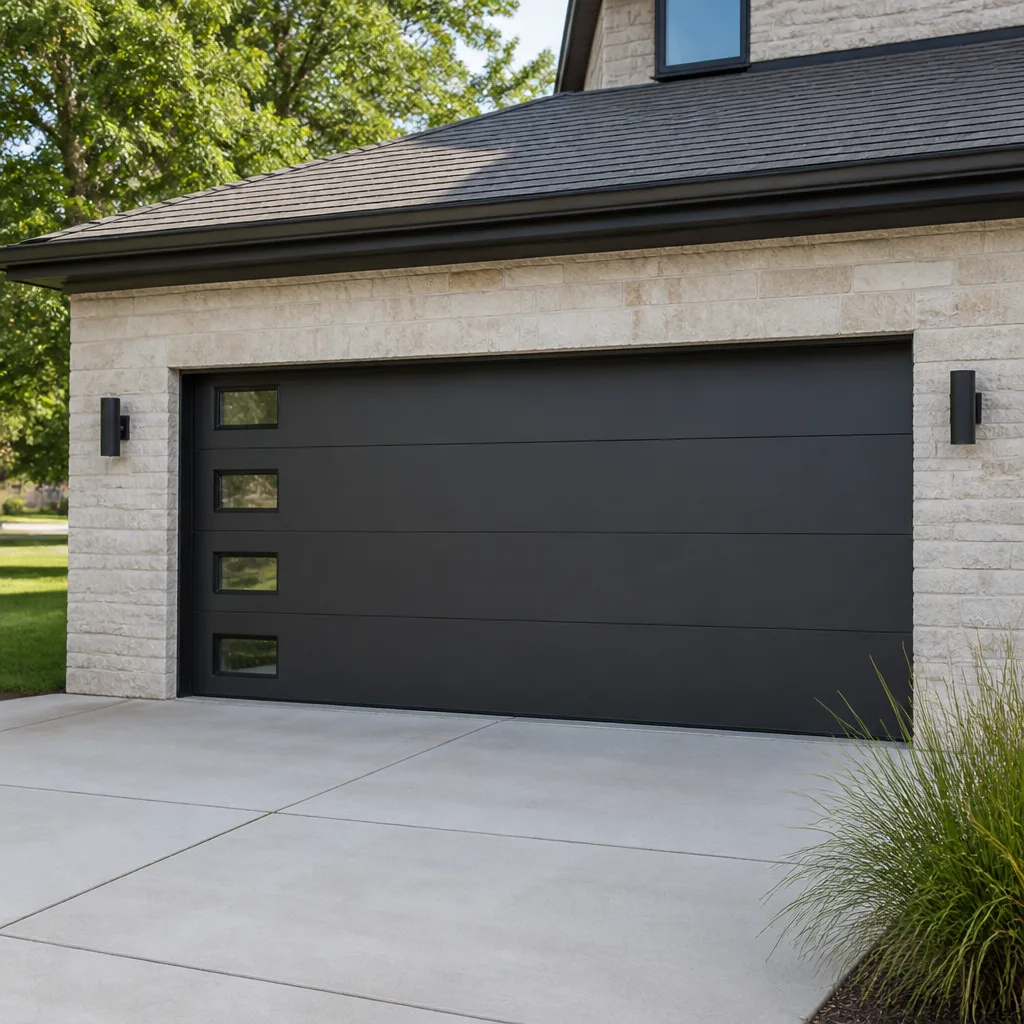 Modern flush
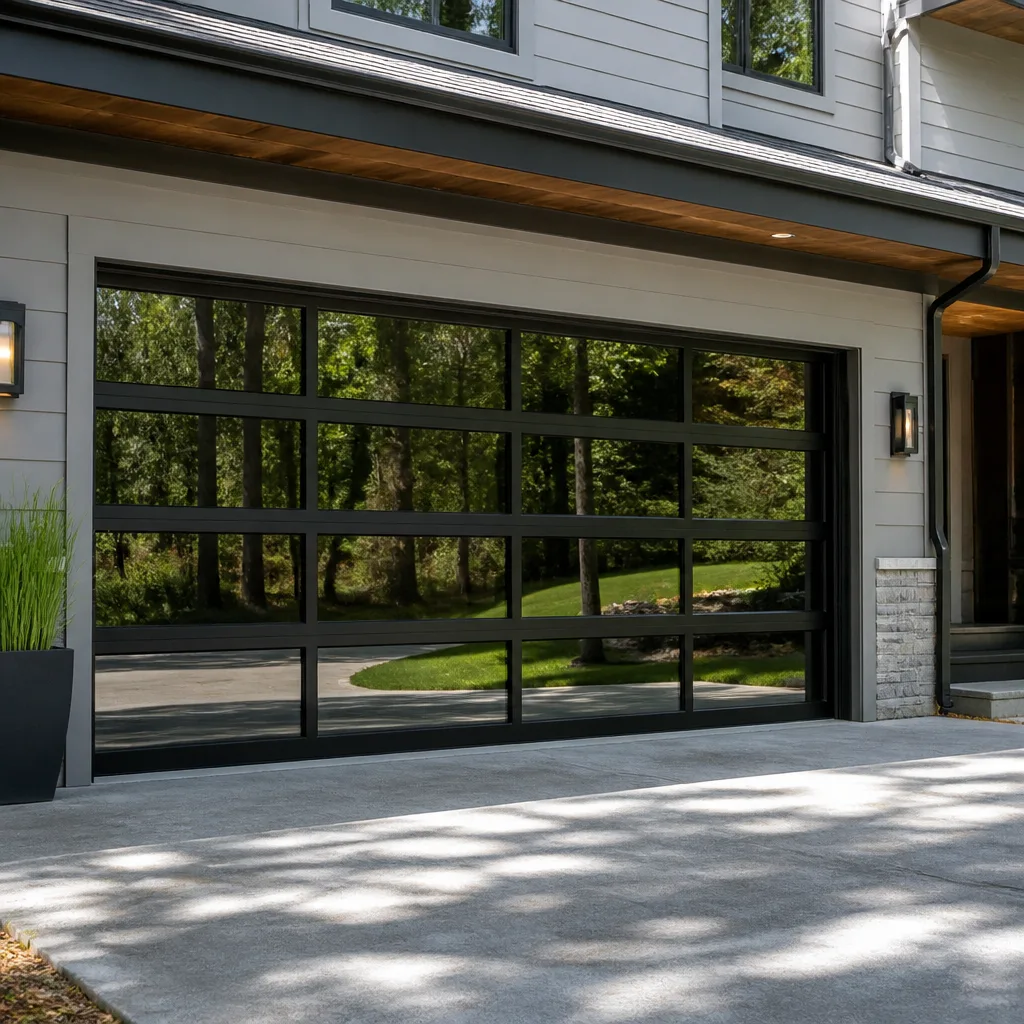 Full-view glass
 LiftMaster openers
 Chamberlain openers
Full 25-point door and opener safety check with every visit - springs, cables, rollers, tracks, and your LiftMaster or Chamberlain opener included
You get a price before we start. It does not change when the pro arrives.
Get your free estimateGarage Door Permits, Codes & Inspections in Doral, FL: What You Need to Know
Most Doral homeowners assume a garage door is a simple product: pick a style, pick a color, pay the installer, done. That assumption is where trouble starts. Doral sits inside Miami-Dade County’s High-Velocity Hurricane Zone, and the garage door rules that apply here are among the strictest anywhere in the United States. The opening you might have expected – a door that works and looks right – is actually a small part of the story. The bigger part is paperwork, approval numbers, and inspections, and those decide whether your door is legal, insurable, and safe in a storm. This guide walks through the actual rules: when Doral requires a permit, what Miami-Dade NOA approval means, how inspections run, and where repair stops and replacement begins.
Quick Answer
In Doral, a new garage door installation always requires a building permit and a product that carries Miami-Dade NOA (Notice of Acceptance) approval for the High-Velocity Hurricane Zone. Most repairs don’t require a permit, but any repair that changes the door’s structural performance – like replacing the full door assembly or altering the track and anchors – can trigger the same requirements as a new install. The permit is usually pulled by the licensed contractor, and the work is inspected before it’s signed off.
Styles & brands we work with
- Raised-panel steel
- Carriage house
- Modern flush
- Full-view glass
- LiftMaster openers
- Chamberlain openers
Table of Contents
- When does a garage door project need a permit in Doral?
- What Miami-Dade NOA approval actually means
- The inspection process, step by step
- How code compliance affects your insurance in Miami-Dade County
- Repair vs. replacement: what triggers a permit
- Why Doral sits in the High-Velocity Hurricane Zone
- Common mistakes to avoid
- Frequently asked questions
When does a garage door project need a permit in Doral?
A garage door replacement in Doral requires a building permit. Full stop. That’s the rule for a complete door swap, whether you’re changing the size, the material, or just the style. The permit exists because the door is part of the building’s wind envelope in the High-Velocity Hurricane Zone, and the county treats it like any other structural opening. Removing an old door and installing a new one changes the pressure rating on the opening, and the code wants to see that the new door and its anchors are approved for the job.
Repairs are a different story, but not always a clean one. Here’s how the split usually works:
- New door installation: Permit required, always.
- Full door replacement (same size, new unit): Permit required.
- Track replacement or anchor changes: Permit usually required, because it affects the wind load path.
- Spring replacement: Typically no permit, since springs are mechanical wear parts, not part of the pressure envelope.
- Opener replacement or repair: Typically no permit, since the opener isn’t a structural component.
- Panel replacement: Permit depends on scope – a single cosmetic panel is usually fine; replacing the structural frame is not.
When in doubt, the safest move is to ask the City of Doral Building Department directly. Requirements shift, and Doral’s local code adopts the Florida Building Code with Miami-Dade amendments, so the answer to “do I need a permit for this?” is specific to the exact work, not a general rule of thumb. We’ve also seen plenty of jobs where a homeowner pulled a small repair permit and got the wrong scope on the application, which causes its own problems at inspection. If you’re not sure, and you’re in Doral, get the contractor to state in writing what permit they’ll pull and what code they’re building to. That letter is worth more than any verbal assurance.
What happens if you skip the permit? Several things, none of them good. The county can require the work to be exposed and inspected, which means taking the door back down. Your insurance company can refuse to cover wind damage to an unpermitted opening. And when you sell the house, an open permit on the garage door is a title issue that has to be resolved before closing. In Doral, that last one comes up more than people expect, because the county issues a limited number of permits for high-velocity hurricane zones and unapproved doors stand out during a wind mitigation inspection.
What Miami-Dade NOA approval actually means
NOA stands for Notice of Acceptance. It’s a document issued by Miami-Dade County’s Product Control Division that certifies a specific product has been tested and approved for use in the High-Velocity Hurricane Zone. For garage doors, this is the single most important specification on any quote. A door without a valid NOA is not legal for installation in Doral, and no licensed contractor should be willing to install one there.
Here’s what typically shows up on a garage door NOA:
- A unique NOA number – something like “NOA No. 22-0415.03,” issued by Miami-Dade County.
- The exact product description – model, series, and sometimes the specific panel configuration that was tested.
- Maximum design pressure ratings – the wind load the door can handle at the tested size.
- Approved installation details – how the anchors, tracks, and jambs must be built to meet the rating.
- Expiration date – NOAs get reissued, so a door with an expired NOA is not automatically acceptable.
How do you look one up? Miami-Dade County maintains a public product control database on its website. You can search by NOA number, manufacturer, or product category. When a contractor hands you a quote with a door model on it, ask for the NOA number for that exact model and size. Then check the database yourself. This is one of the few places in home improvement where the buyer can verify a technical claim in about two minutes. If the contractor can’t produce the number, that’s information.
Major manufacturers typically hold NOAs for many of their hurricane-rated series. Clopay, Amarr, Wayne Dalton, and Raynor all maintain NOA-approved lines that we regularly work with. But the NOA is specific to a model, not a brand. A Raynor door that carries a NOA at one size and wind rating may not carry the same rating at a larger size. When the supplier’s specification sheet lists the door, it should also list the NOA it’s compliant under. Make sure both numbers land on your final quote.
One more note: the NOA is only half the requirement. The installation has to match the NOA’s approved details, including anchor type, embedment depth, and jamb construction. A perfectly approved door installed the wrong way fails inspection and, worse, is a real risk in a wind event. If your house has a non-standard jamb or a rough opening that isn’t per spec, that’s a job for a technician who has actually read the NOA drawings. Our team at Doral Garage Door Repair Co works with those drawings every week, and we’re happy to walk you through what a specific NOA requires for your opening.
The inspection process, step by step
The inspection is where most of the friction in a Doral garage door project actually shows up. It’s not the installation itself – it’s what happens after. Here’s the general flow, in the order it typically happens:
- Permit application. Your contractor submits the permit to the City of Doral or Miami-Dade County (depending on where the property is and which jurisdiction handles it). The application includes the NOA number, product specification, installation details, and the contractor’s license.
- Plan review. The building department reviews the application against the Florida Building Code and the Miami-Dade amendments. If the door isn’t NOA-approved at the proposed size and pressure, the permit is typically rejected at this stage, which is far better than failing an inspection.
- Permit issued. Once approved, the permit is issued and work can begin. The permit card usually needs to be visible on-site.
- Installation. The door goes in per the approved NOA installation details. This is the part where good technicians read the drawings rather than eyeball the job.
- Inspection scheduling. Either the contractor or the homeowner can call in the inspection, but in practice it should be the contractor, because they know what the inspector will look for and can be on-site to answer questions.
- The inspection itself. The inspector checks that the installed door matches the approved permit and NOA, the anchors are correct, and the opening is properly weather-sealed. This is a visual and documentary inspection more than a test.
- Sign-off. Pass, and the permit closes. Fail, and you get a correction notice that has to be resolved before the permit can be finalized.
What causes a failed inspection? In our experience, a handful of things come up again and again:
- A door installed that doesn’t match the NOA on the permit – wrong model, wrong size, or the wrong panel arrangement.
- Anchors installed with the wrong type, insufficient embedment, or the wrong spacing compared to the NOA drawings.
- Unapproved jamb construction, especially when a homeowner builds a new framed opening after the permit was issued.
- No visible permit on site during inspection.
- Work performed before the permit was issued.
Filing a correction notice means another inspection and a delay. In Doral, where the building department has a real caseload, that delay can get expensive for anyone who is coordinating the door with other renovations. Getting the NOA and the installation details right the first time is not bureaucratic paranoia. It’s the difference between a two-week project and a two-month one.
How code compliance affects your insurance in Miami-Dade County
Miami-Dade County homeowners pay some of the highest wind insurance premiums in the country. That’s not a secret. What many Doral homeowners don’t realize is how directly the garage door affects that number. An improperly rated or unapproved door can be a reason for a claim denial, a coverage restriction, or a wind mitigation credit the homeowner thought they qualified for and doesn’t.
A wind mitigation inspection is how your insurer actually evaluates the risk at the opening. That inspection looks at the roof-to-wall connection, the roof covering, the opening protection, and the secondary water resistance. Garage doors count as opening protection. A door without a NOA, or a door that was installed in a way that doesn’t match the NOA details, can get dinged. The insurer doesn’t necessarily care that the door looks right. They care that the approved product was installed to the approved specification.
Here’s what this looks like in practice for Doral homeowners:
- New installation without NOA approval: insurers may treat the garage opening as unprotected, which can affect both coverage and rate.
- NOA-approved door installed correctly: supports wind mitigation credits and gives the insurer a clean paper trail.
- NOA-approved door installed incorrectly (wrong anchors, etc.): may not pass a wind mitigation inspection even though the product is right.
- Unpermitted work: can be a coverage issue if a claim depends on that opening.
We’re not insurance advisors, and we don’t determine what any given insurer will do with a policy. What we can say – and what we tell every Doral homeowner who asks – is that the paper trail matters. Keep the NOA number, keep the permit number, keep the inspection sign-off. When the claims adjuster asks, you want to be able to hand over a complete file. And if you’re shopping for a door, look at the cost difference between a NOA-approved model and one that isn’t as a total cost of ownership question, not just a product price question. The approved door often costs a little more up front and pays for itself over the years of premium difference and claim confidence.
If you need to know exactly what your current door’s status is and whether it’s carrying a valid NOA, that’s a conversation we have often with Doral homeowners. Our team can check the model on your door against the county database and tell you where you stand. A short conversation now saves a bad one later with your insurer.
Repair vs. replacement: what triggers a permit
The question we get asked most often in Doral is some version of “do I really need to replace the whole door?” The honest answer is that it depends on what’s actually failing. A door that’s had a good life and now needs its third spring in as many years is a repair conversation. A door with a bent track, a stress-fractured panel, and jamb rot in the rough opening is a replacement conversation. Between those two, the line is drawn by the Florida Building Code and by the door’s own physical limits.
Here’s how we think about the repair vs. replace threshold in practice:
- Spring or opener failure on an otherwise sound door: Repair. No permit.
- One cosmetic panel with no structural damage: Usually repair, and usually no permit.
- Track damage that doesn’t involve the jamb or the anchors: Repair, though the scope needs a look.
- Anchor or jamb damage, or damage that changes the wind load path: Treated like a replacement for permitting purposes.
- Full door assembly replacement, whatever the reason: Permit required.
- Structural compromise, multiple panels, or a door model that’s no longer supported: Replacement is usually the honest answer, and the permit comes with it.
One thing to keep in mind in Doral: the door is inside the High-Velocity Hurricane Zone, so “repair” that defeats the original NOA is not really a repair anymore. If your existing door is NOA-approved and you replace a panel with something that doesn’t match the approved product, you’ve broken the approval. If you replace a full panel and the door is now non-compliant, that’s typically a replacement scope for permitting. A good technician will tell you which side of that line you’re on before any work starts, in writing, so you’re not surprised by a correction notice months later.
This is also where it pays to work with a garage door specialist rather than a general contractor. The door’s code requirements are specific to garage doors, and the repair scope decisions require someone who sees these jobs regularly. Our garage door repair work in Doral handles springs, openers, panels, and tracks with the code requirements in mind, so we know exactly when a repair is a repair and when it’s a full replacement.
Why Doral sits in the High-Velocity Hurricane Zone
Miami-Dade County’s High-Velocity Hurricane Zone designation is a real, mapped category. It’s the state’s strictest wind zone, and it applies to the entire county including Doral. The designation is not a matter of debate or opinion – it’s a regulatory classification that determines which products can be installed where, and it’s the reason NOA approval exists as a concept in Florida at all.
Doral’s specific geography matters in a different way. The city is inland from the coast, sitting on relatively flat ground west of Miami proper, and its housing stock runs from established single-family neighborhoods in Doral Isles and Downtown Doral to newer construction and gated communities with larger lots. Inland positioning doesn’t reduce wind risk in a significant hurricane – the High-Velocity Hurricane Zone applies to the whole county regardless – but it does mean that Doral homes often face slightly different wind exposure than coastal properties. That exposure profile is why the county treats the garage opening as a critical component everywhere in Miami-Dade, not just on the beach.
For homeowners in Doral, the practical takeaway is that the code requirements here are not negotiable. The garage door is not a decorative element. It’s a large opening in a wind-rated building envelope, and the county treats it that way. Anything that changes its wind load characteristics – new door, replaced assembly, changed anchors – runs through the permitting process.
One more Doral-specific consideration: a large share of the housing stock here is inside HOAs or gated communities, and HOA architectural review rules often add a second step on top of the permit. Some communities have approved door styles and colors, and the architectural committee will want to sign off before the building permit even goes in. That’s not a garage door code requirement, but it’s a real part of the Doral process. Ask your HOA’s architectural committee what’s approved before you fall in love with a specific door style.
Common Mistakes to Avoid
- Buying a door without checking the NOA yourself. A contractor telling you the door is “hurricane-rated” is not the same as the door carrying a valid NOA for its exact model and size. Verify the number in the Miami-Dade database before you sign anything.
- Assuming “repair” always means no permit. Spring and opener swaps are typically clear, but changes to the track, anchors, or jamb can push a job into permit territory. Confirm scope in writing.
- Letting a contractor skip the permit because “nobody checks.” Unpermitted work can complicate insurance and resale, and in Doral that catches up with homeowners more often than people expect.
- Not verifying the installer’s license. Florida requires a license to pull the permit and perform the work. Ask for the license number and confirm it with the state, not the contractor’s website.
- Ignoring HOA architectural rules. Doral’s gated communities frequently require prior approval of exterior door style and color. Skipping that step can delay a fully permitted job.
- Throwing away the paperwork after the job. Keep the NOA number, the permit number, and the inspection sign-off filed with your home documents. Your insurer and your buyer’s title company will both eventually ask for them.
- Choosing the lowest bid without confirming NOA status. A quote that undercuts others by a wide margin is often unpermitted or uses a non-approved door. Confirm the code details on the quote before comparing price.
See the difference
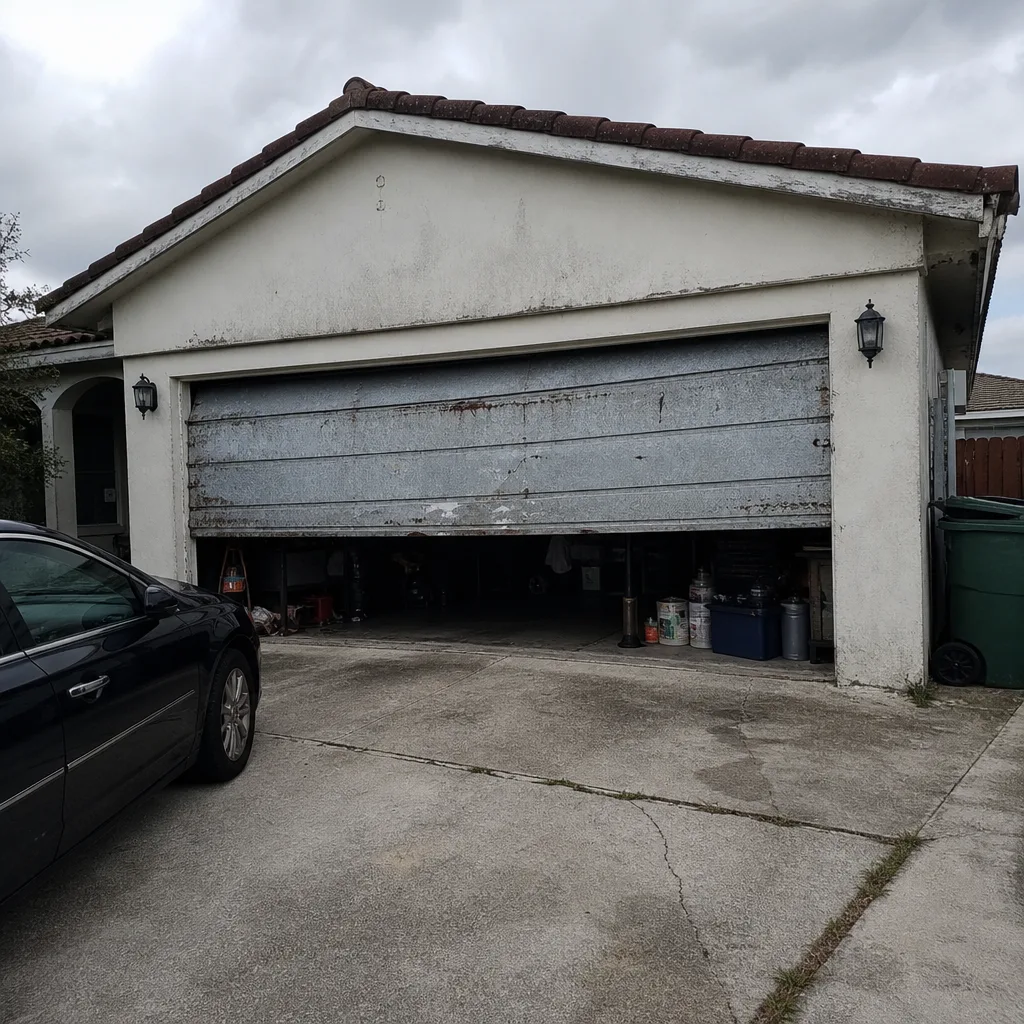 Before
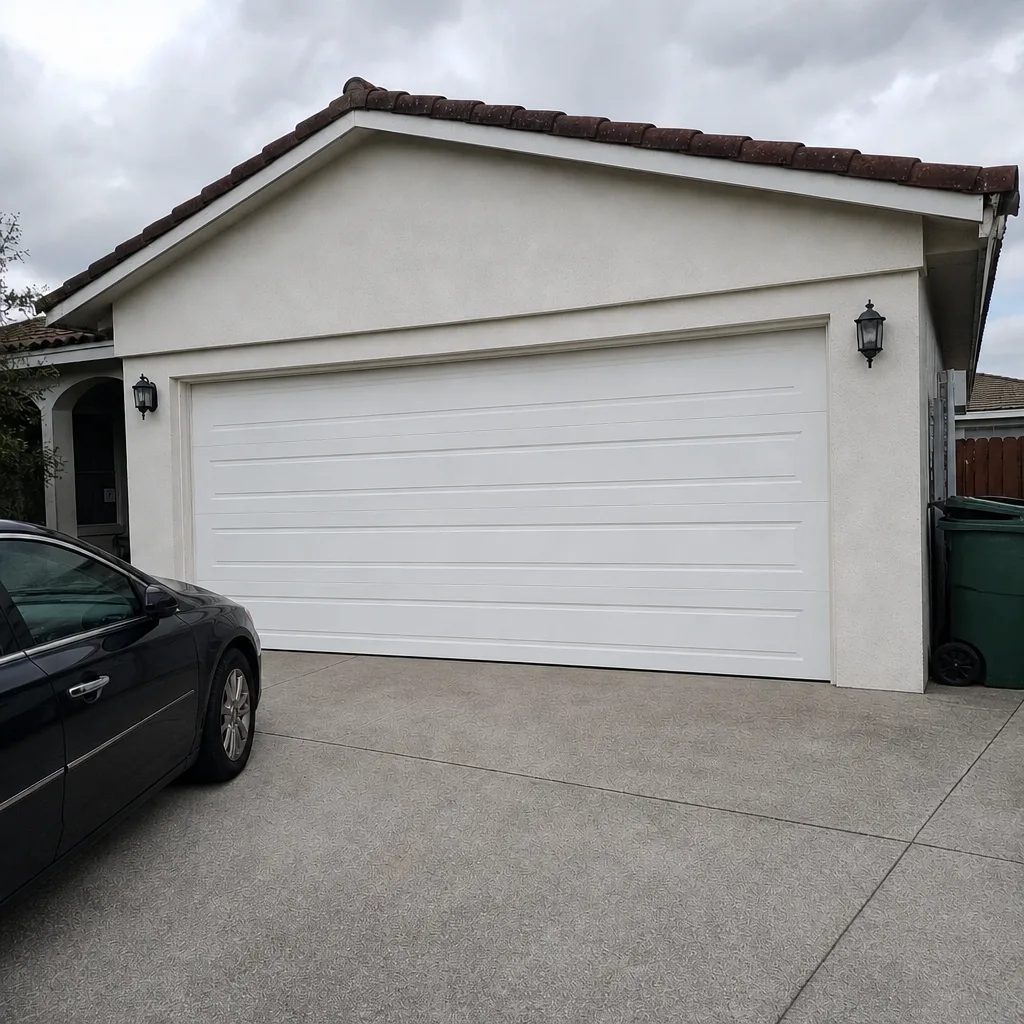 After
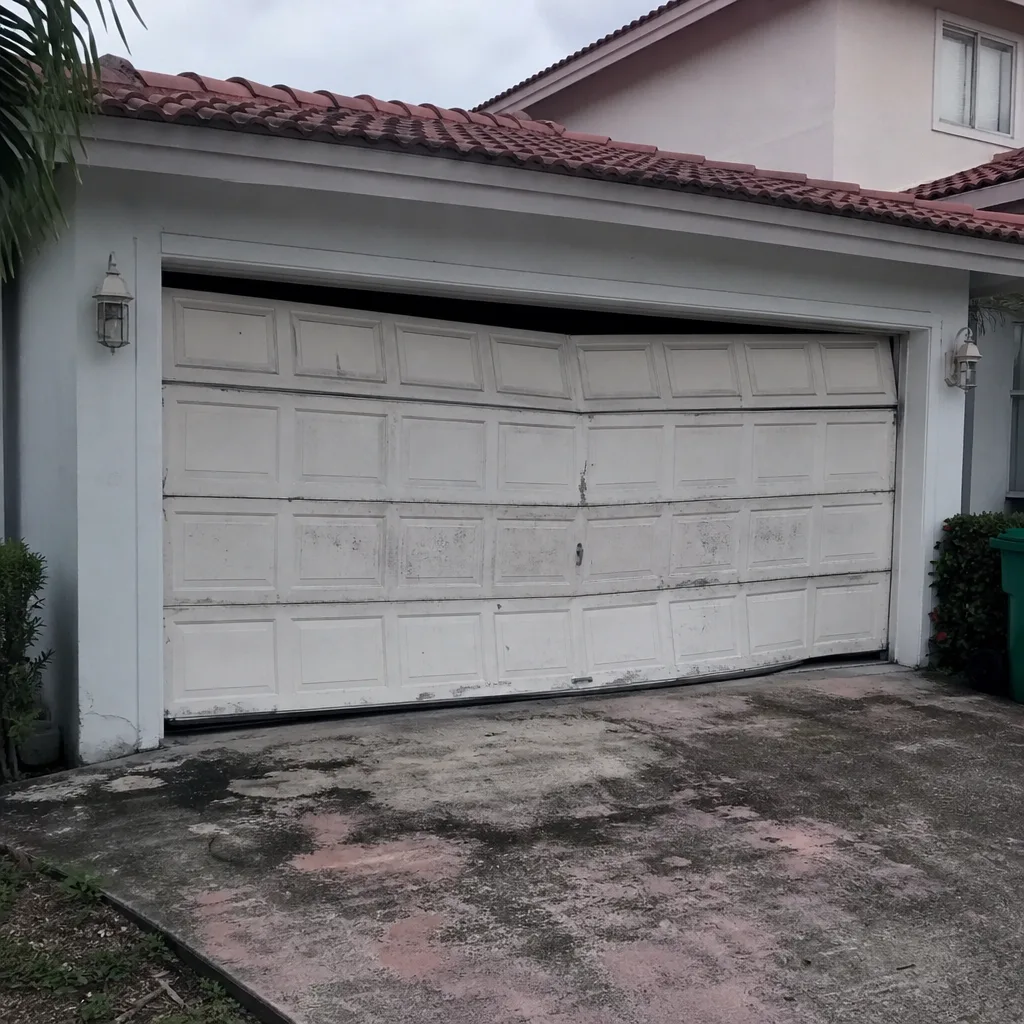 Before
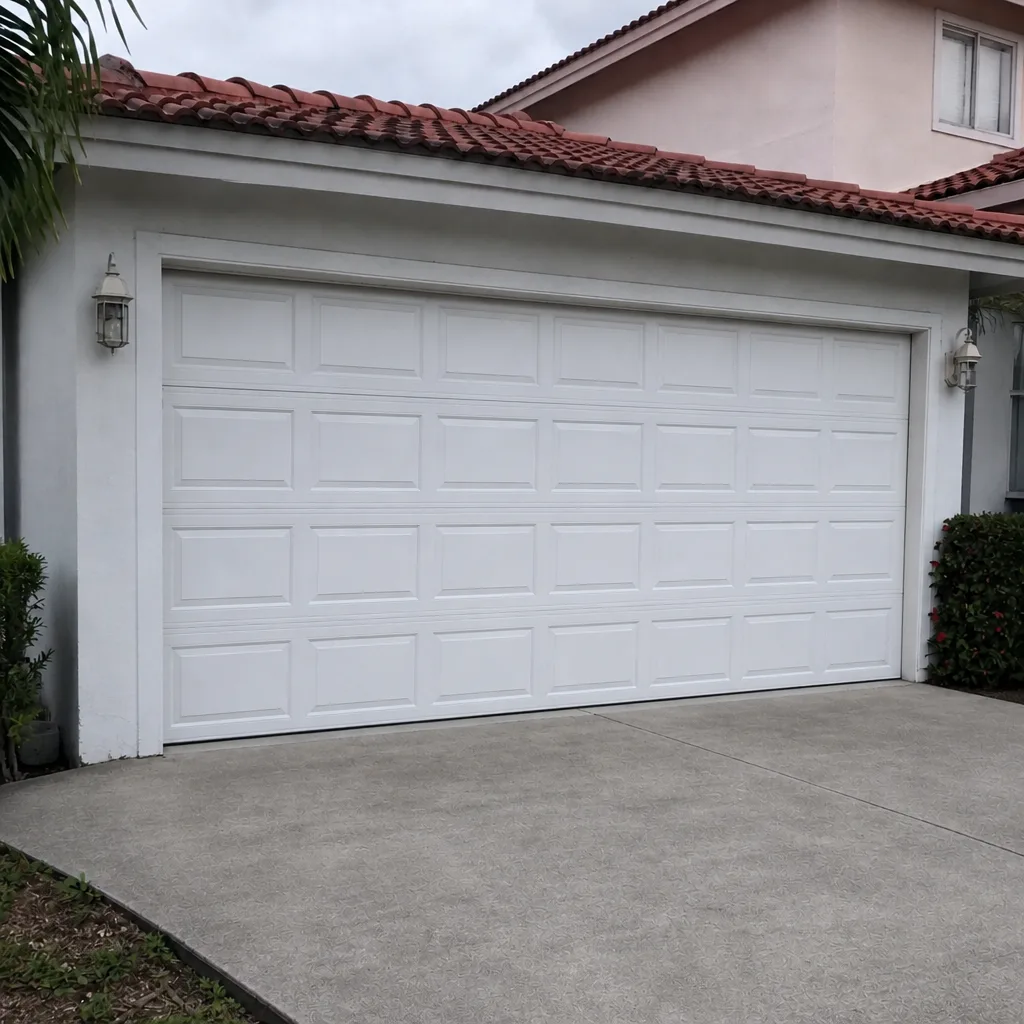 After
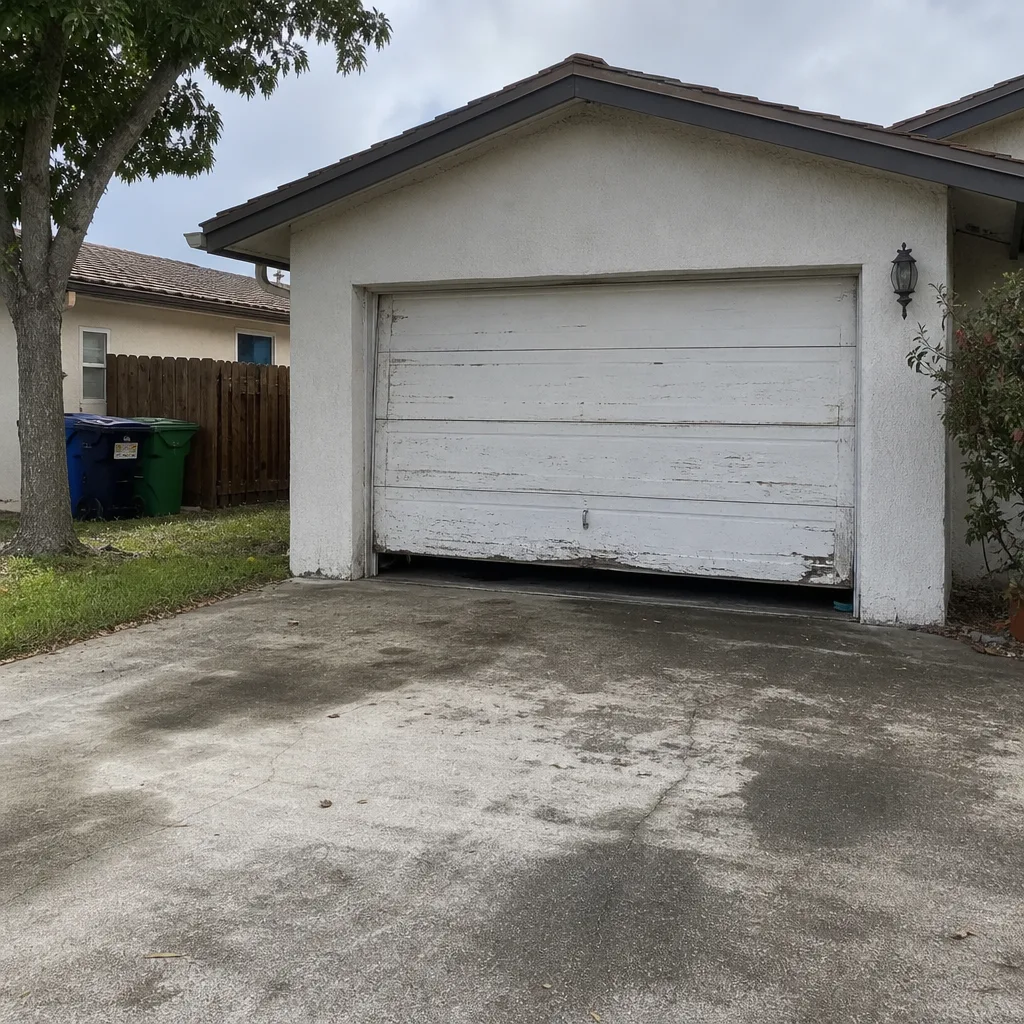 Before
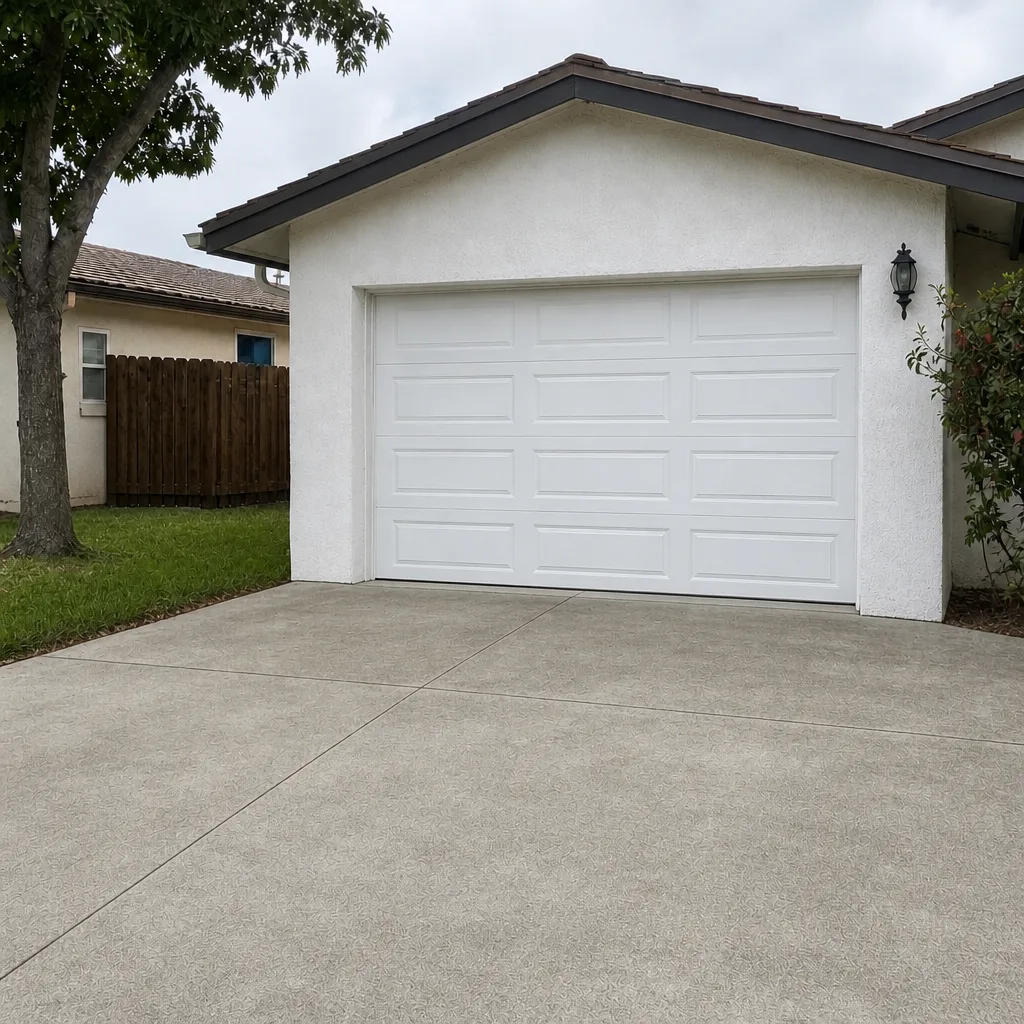 After
When to Call a Professional
Reach out to a specialist when the job crosses from wear part into structural element. If the door is racked, the tracks are visibly bent, the jamb is compromised, or the spring has broken and the door is now carrying force it wasn’t designed to hold, that’s a technical job. If you’re installing, replacing, or responding to a failed inspection, that’s also a technical job. And if you’re just trying to figure out what your current door’s NOA status is, that’s a conversation worth having early. Miami-Dade’s code isn’t ambiguous – it’s just specific, and specific is what a specialist is for. Doral Garage Door Repair Co offers free estimates in Doral – call (866) 937-8410. We work with the eight major door and opener brands, including LiftMaster, Chamberlain, Genie, Clopay, Amarr, Wayne Dalton, Craftsman, and Raynor, so whichever brand is on your opening, we know what the inspection will require of it.
Frequently Asked Questions
Yes. A garage door replacement in Doral requires a building permit because the door is part of the High-Velocity Hurricane Zone building envelope. The permit application includes the door’s Miami-Dade NOA number and installation details, and the completed work is inspected before the permit closes. Call (866) 937-8410 if you’d like to talk through what a specific door requires before you commit to a purchase.
NOA stands for Notice of Acceptance. It’s a Miami-Dade County certification that a specific door model has been tested and approved for use in the High-Velocity Hurricane Zone. The NOA lists the approved model, size, wind rating, and installation details. A door without a valid NOA isn’t legal for installation in Doral, and an installation that doesn’t match the NOA’s details won’t pass inspection.
It can. Insurers in Miami-Dade County use wind mitigation inspections to evaluate the opening protection on your home, and an unapproved or improper installation may be treated as an unprotected opening for both rate and claim purposes. Keep your NOA number, permit number, and inspection sign-off on file so you can hand over a complete record if a claim adjuster asks. If you’re not sure of your current door’s status, call us and we’ll check the model against the county database.
No. Spring replacement is typically treated as a mechanical repair, not a structural change, and it doesn’t involve the wind load path, so it generally does not require a permit. That said, spring repair is also the highest-risk garage door job there is – the torsion springs are under severe tension and an amateur repair can cause serious injury. Call our garage door spring repair team at (866) 937-8410 and we’ll handle it safely.
Timelines vary with the city’s caseload and the completeness of the application. A clean NOA-approved submittal usually moves faster than one that gets corrections, and the inspection itself is a separate step after the door is installed. Failure points include an unapproved door model, mismatched NOA details, or work performed before the permit was issued. Get the submittal right and the schedule is usually manageable.
“Hurricane-rated” is a marketing term. “NOA-approved” is a specific certification issued by Miami-Dade County for a specific product at a specific size and design pressure. A door can be marketed as hurricane-rated and still not carry a NOA for your particular opening size. In Doral, the NOA is the document that matters – not the brochure. When you’re comparing quotes, confirm the NOA number is on the quote itself, not just referenced verbally.
The Bottom Line
Doral’s garage door code requirements come down to a few hard facts: new installations and full replacements need a building permit, the door must carry a valid Miami-Dade NOA for its exact model and size, and the work has to be installed per the NOA details and inspected before the permit closes. Most repairs are permit-free, but anything touching the tracks, anchors, or structural panels crosses the line. The paper trail matters – for insurance, for resale, and for the actual wind performance of your home. Work with a specialist who reads the NOA and gets it right the first time. It’s cheaper than the alternative.
For any Doral garage door project – new install, replacement, repair, or a code question before you commit – call Doral Garage Door Repair Co at (866) 937-8410 for a free estimate. Our team also handles garage door opener repair and garage door spring repair when the code questions are already sorted and the door just needs to be fixed. Whether you’re replacing a spring, sorting out an opener that’s stopped responding, or planning a full installation with the right NOA on the quote, we’re here to help. Visit Doral Garage Door Repair Co to see our full range of services, and reach out when you’re ready.
Written by the team at Doral Garage Door Repair Co.