Last updated November 23, 2026
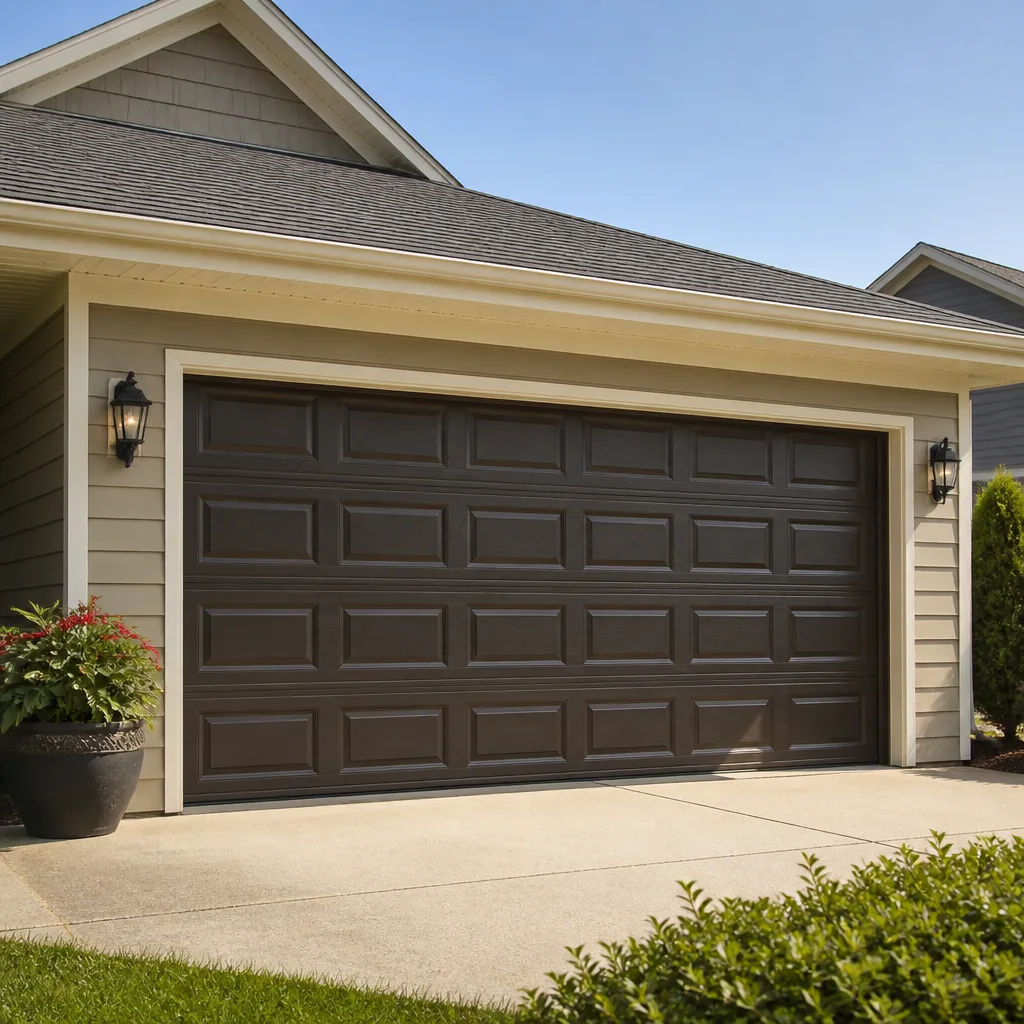 Raised-panel steel
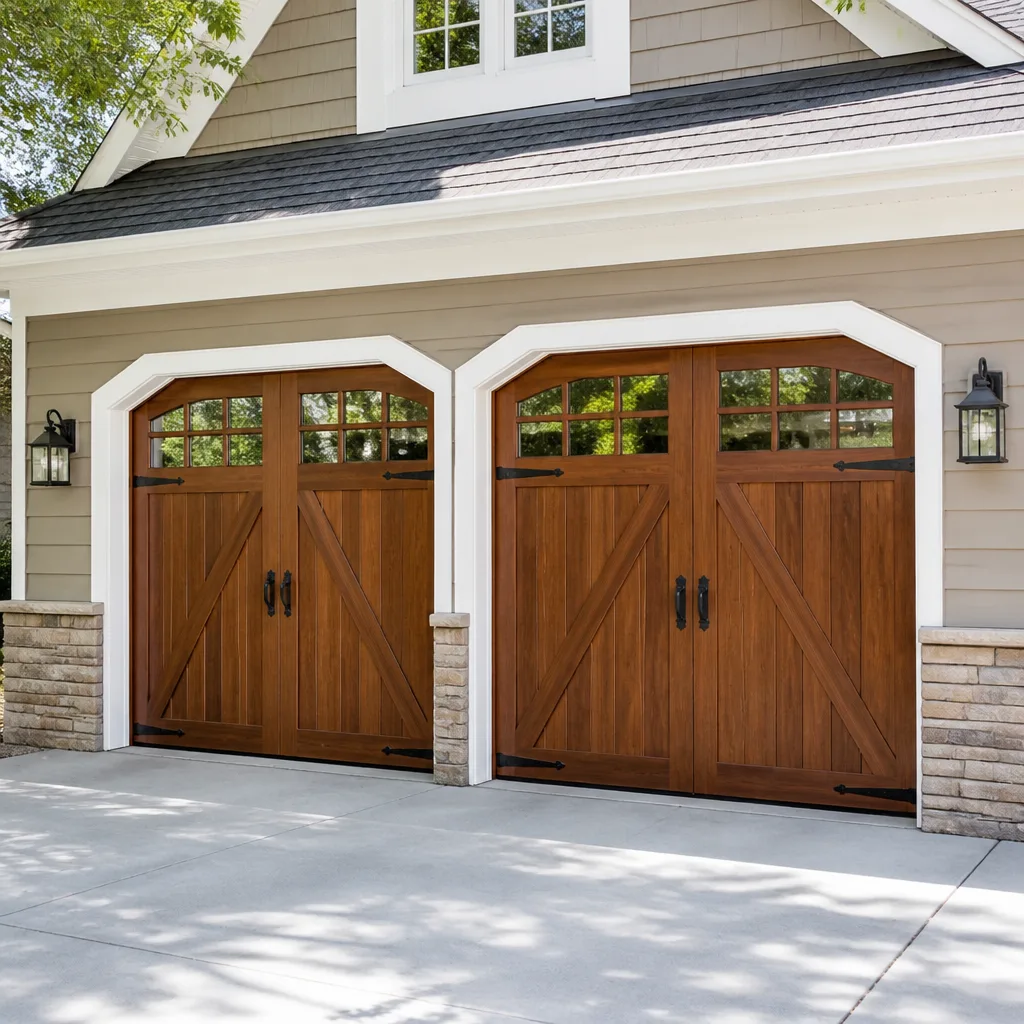 Carriage house
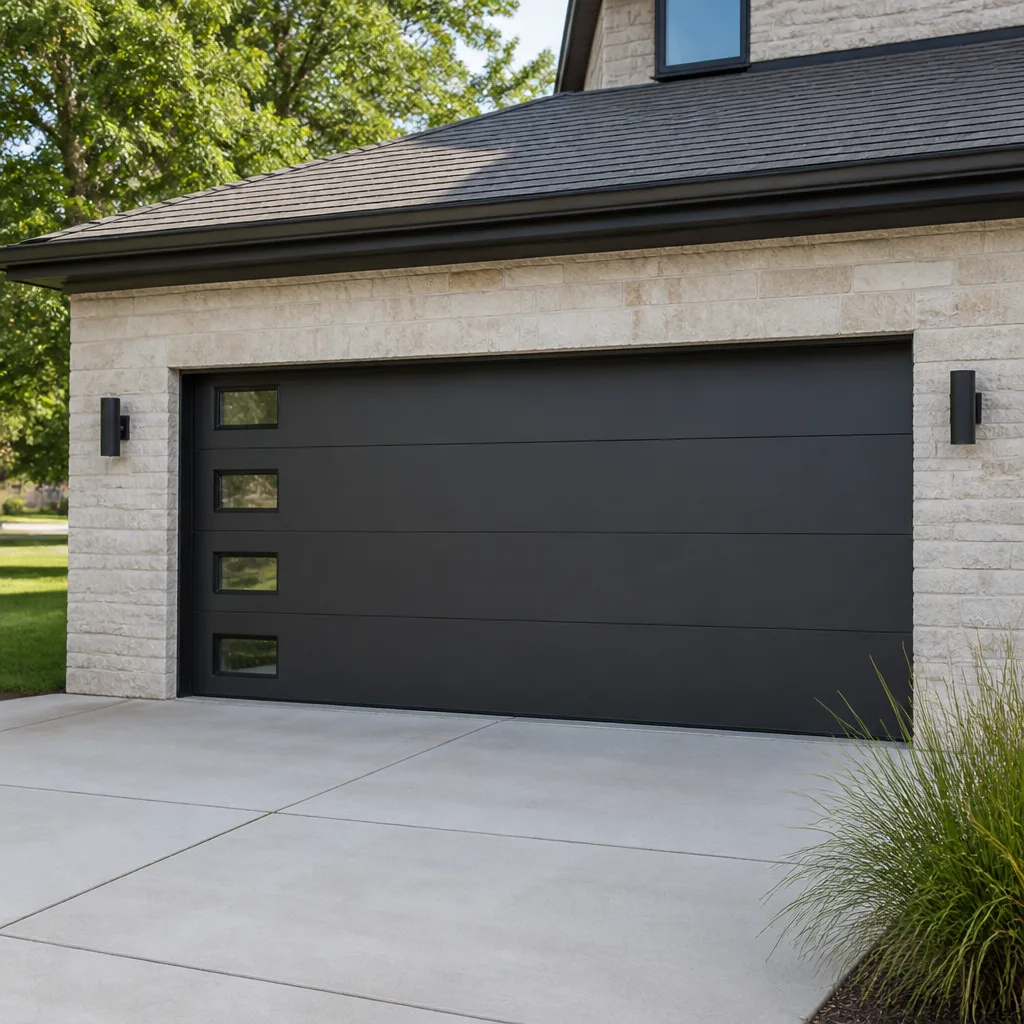 Modern flush
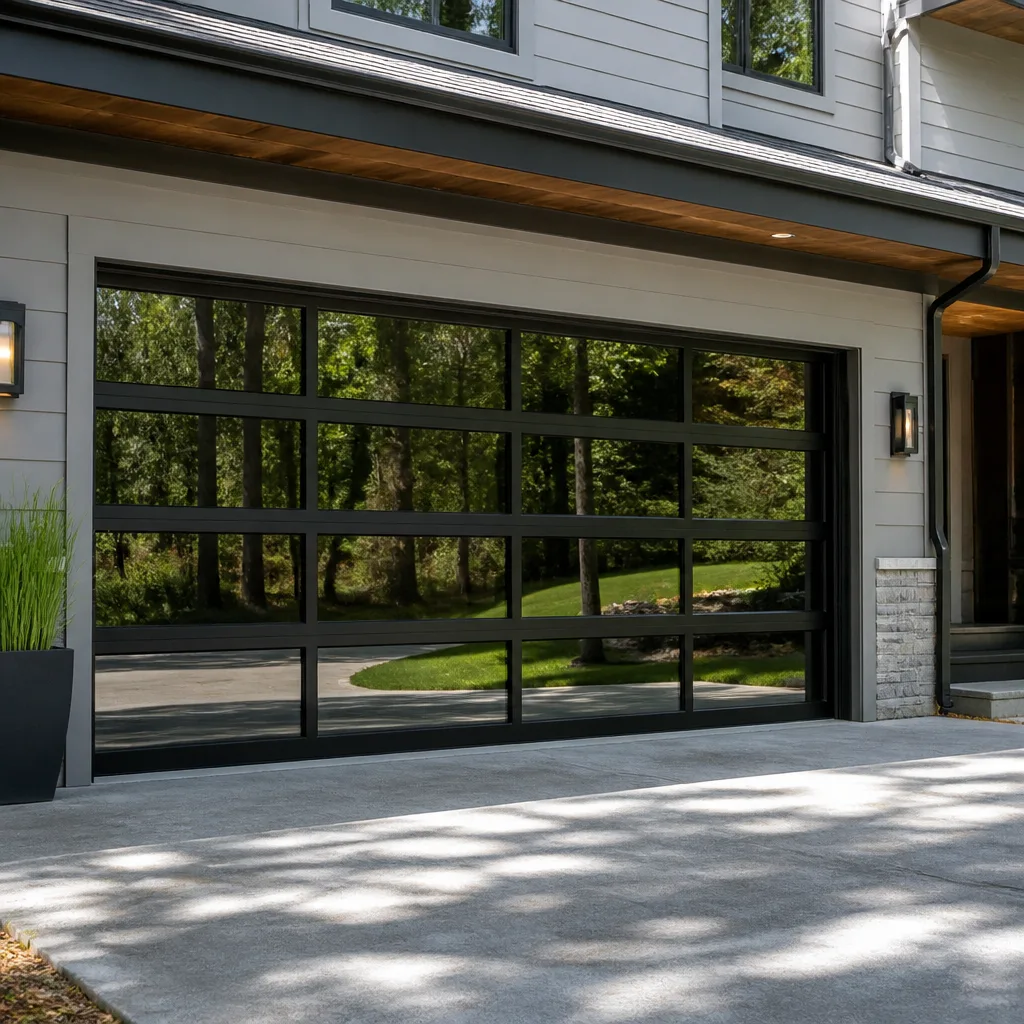 Full-view glass
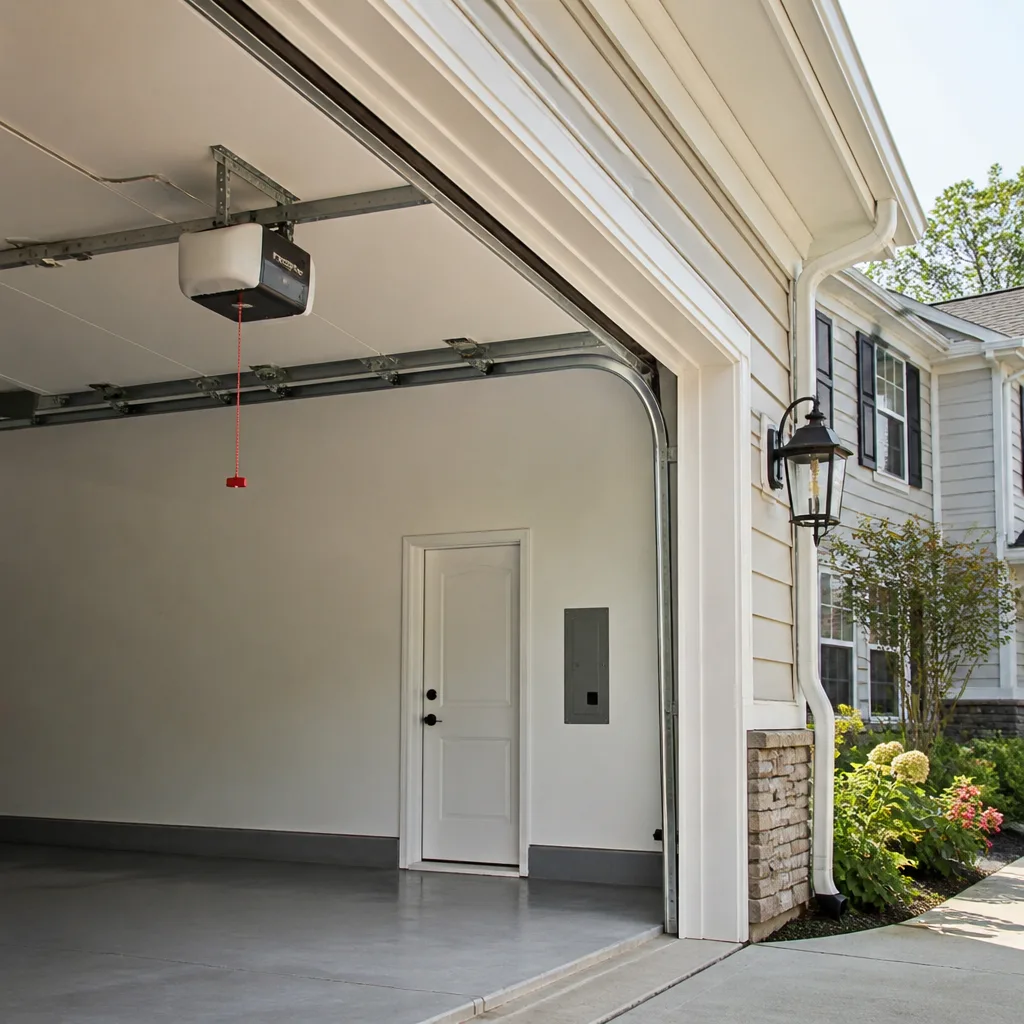 LiftMaster openers
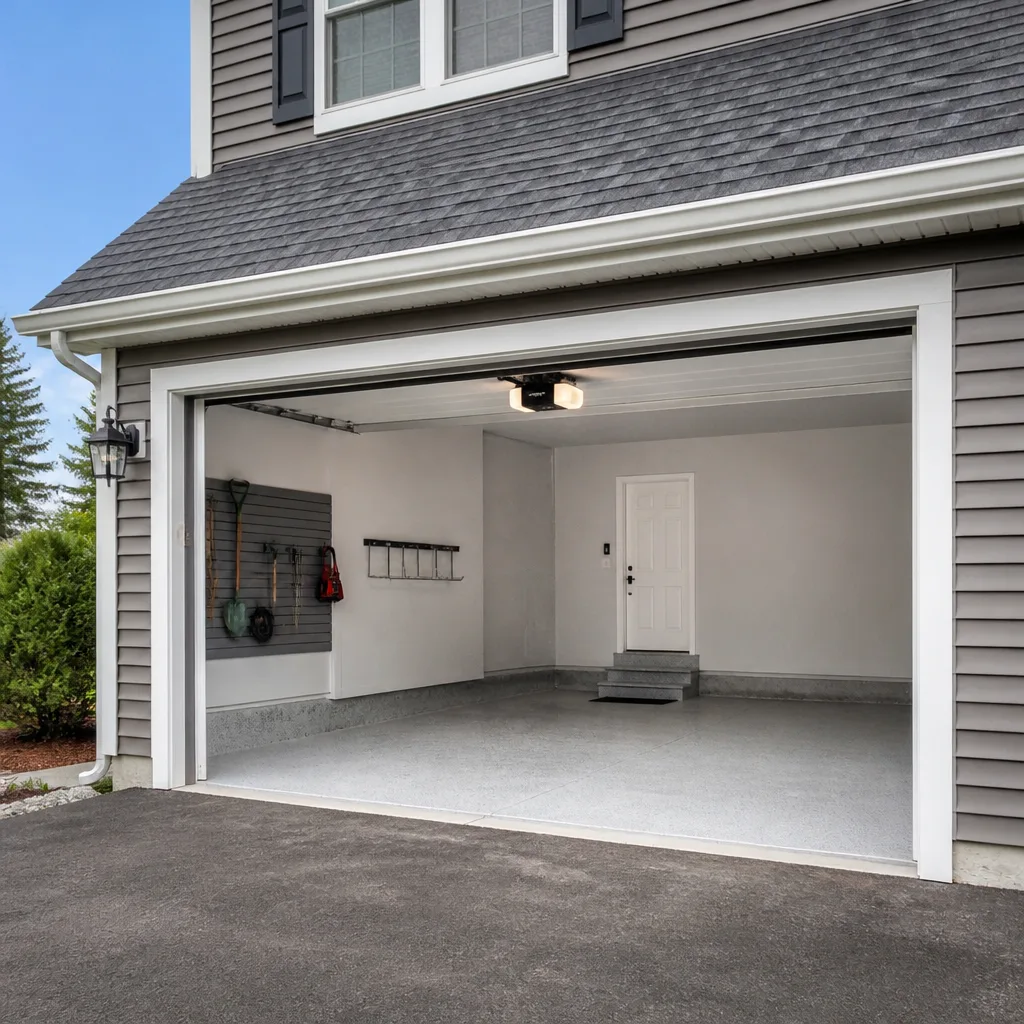 Chamberlain openers
Full 25-point door and opener safety check with every visit - springs, cables, rollers, tracks, and your LiftMaster or Chamberlain opener included
You get a price before we start. It does not change when the pro arrives.
Get your free estimateGarage Door Repair Troubleshooting in Doral: Common Problems and How to Fix Them
A door that reverses before it closes is not a sensor problem as often as you’d think. In our experience across Doral, a large share of “the sensor is broken” calls turn out to be a tension imbalance: one spring is carrying more load than the other, the door tilts as it travels, and the opener reads that resistance as an obstacle and sends the door back up. The sensor gets blamed because it’s the part everyone can see blinking. The real fault is two springs that are no longer matched. This guide maps the symptoms you’re hearing and seeing to the components that actually cause them, so you stop guessing. We’ll cover what South Florida humidity does to tracks and panels, the checks you can safely run yourself, and the exact point where it becomes a technician job.
Quick Answer
Most garage door failures in Doral trace to four components: springs, the opener’s drive and logic board, the safety sensors, and the track-and-roller system. A door that reverses, stops halfway, or grinds is usually telling you which one failed, but only if you read the symptom correctly. Anything involving springs, cables, or the torsion assembly is a technician job; openers, sensors, and track alignment are where a careful homeowner can safely do a few checks first.
Styles & brands we work with
- Raised-panel steel
- Carriage house
- Modern flush
- Full-view glass
- LiftMaster openers
- Chamberlain openers
Table of Contents
- Symptom-to-Component Diagnostic Matrix
- Why Doral Humidity Breaks Different Parts Than Northern Guides Cover
- The Three Checks You Can Safely Do Before Calling
- Dead Opener, Dead Wall Button, or Tripped Breaker: Telling Them Apart
- Works by Hand but Not by Remote: Motor Torque, Not the Door
- Spring Failures: What You Hear and Why You Don’t Touch Them
- Opener Repair and the Brands We See Most in Doral
- Repair or Replace? How to Decide
Symptom-to-Component Diagnostic Matrix
The fastest way to troubleshoot a garage door is to stop listening to the door and start listening to the part. Each failure mode has a signature: a sound, a movement pattern, a place it stops. Here’s how we map what homeowners describe in Doral to the component that’s actually failing.
- Loud bang from above, door won’t lift, opener runs but nothing moves: Broken torsion spring. Classic. The door becomes dead weight, held only by the opener, which can’t lift it.
- Grinding or scraping as the door travels: Worn rollers, a bent track section, or a torsion cable rubbing. If the noise is rhythmic and speeds up with the door, suspect a roller or a dry bearing plate.
- Door reverses before it hits the floor: More often a tension imbalance than a sensor. If the sensor lights are steady and aligned, suspect mismatched springs.
- Door stops halfway up, then goes back down: Opener torque limit set too low, or a binding track. If it happens at the same spot every time, it’s mechanical. If it’s random, it’s usually the opener.
- Door travels crooked, one side higher than the other: A stretched or broken cable on one side, or a roller jumped out of the track. Don’t run it – stop and call.
- Remote works sometimes, wall button always works: Remote battery, remote programming, or a receiver issue. The opener itself is fine.
- Nothing works from any button, no lights, no sound: Power. Check the breaker, the outlet, and the wall control wiring before assuming the opener is dead.
- Door slams down hard instead of easing closed: Limit switch or travel adjustment, or a failing logic board on a Chamberlain or Genie unit.
If your symptom isn’t on this list, describe it to us in plain language when you call – we’ll usually narrow it down before a technician arrives, so the first visit is a fix, not a guess. Diagnosed on-site, fixed the same visit is how we prefer to work, and accurate triage over the phone is half of that.
Why Doral Humidity Breaks Different Parts Than Northern Guides Cover
Most garage door troubleshooting guides are written for someone in a cold climate dealing with ice in the tracks and frozen grease. That’s not the failure pattern in Doral. Here, the enemy is year-round humidity and the seasonal rain cycle. The parts that fail in our climate aren’t the ones the northern guides flag, and that changes how you troubleshoot.
Three local failure patterns we see constantly:
- Track and hardware corrosion. Steel tracks, hinges, and roller stems rust faster in sustained humidity. A rusty roller doesn’t roll – it drags, which makes the opener work harder, which trips the torque limit, which makes the door stop halfway. Homeowners chase the opener when the real fault is a set of corroded rollers.
- Wood and composite panel swelling. Wood panel doors absorb moisture, swell, and bind against the frame. The door gets heavier and starts to rub, and the opener struggles to lift a door that used to glide. A Clopay or Amarr wood-look door that suddenly feels heavier after a wet stretch is usually a moisture issue, not a motor issue.
- Sensor fog and condensation. Safety sensor lenses fog up in the morning humidity. A door that refuses to close first thing in the morning and works fine by afternoon is often a condensation-on-the-lens problem, not a wiring fault.
Scheduled lubrication – a proper garage door grease on the springs, hinges, and rollers, not WD-40 – is what prevents most of these. In Doral’s climate, we’d rather see a door lubricated twice a year than once, because the humidity never really lets up. A door that’s properly lubed runs quieter, drags less, and puts less strain on the opener. For the full repair scope on corroded hardware and binding tracks, our garage door repair service covers it.
The Three Checks You Can Safely Do Before Calling
We’d rather walk you through three safe checks than hear “I thought I’d try to fix it myself” after a spring lets go. Here’s what to do before you call, and where to stop.
- Check the power. Look at the outlet the opener is plugged into. Is it a GFCI outlet that tripped? Plug something else into it. Check the breaker panel. This solves a surprising share of “dead opener” calls before we ever get in the truck.
- Look at the sensors. Both safety sensors on the sides of the door should have a steady light. If one is blinking, it’s misaligned or blocked. Clear any cobwebs, leaves, or debris, and gently nudge the sensor back into alignment. If the blinking persists, that’s a wiring or sensor replacement – a technician job.
- Watch for anything mechanical that looks wrong. Look at both springs above the door. Is one visibly stretched, broken, or has a gap? Look at the tracks – is a roller popped out? Is a cable slack or dangling? If you see any of these, stop. Do not try to lift, close, or cycle the door.
The exact point where it becomes a technician job is the moment you’d have to touch a spring, a cable, or the torsion assembly, or stand on anything to reach the opener’s internals. Springs and cables are under extreme tension. They can cause serious injury if handled by someone without the right tools and training, which is why we handle that work in-house with specialists rather than treating it as a general handyman task. If you have a LiftMaster or Chamberlain opener and want to go deeper on the electronics, our garage door opener repair guide breaks down what each indicator light means.
Dead Opener, Dead Wall Button, or Tripped Breaker: Telling Them Apart
From the outside, all three look identical: you press the button and nothing happens. But the diagnostic path is completely different, and you can narrow it down yourself in about five minutes.
Start with the wall button. Most wall controls have a light that stays on when the opener has power. If that light is on but nothing happens when you press it, the opener has power and the button is sending a signal. If the light is off, either the opener has lost power or the wall button wiring has a fault.
Next, test the opener’s own buttons. Most units have a control panel on the motor housing with an up/down/light button set. If those work and the wall button doesn’t, the fault is the wall button or the wire running to it. If neither works, walk to the outlet and the breaker.
Then check the outlet and breaker. Plug something else into the opener’s outlet. If it doesn’t work, the problem is upstream – a tripped GFCI or breaker. If it does work, the opener itself is the issue.
Finally, listen for the relay. When you press the button, a working opener clicks. A silent opener with power at the outlet is usually a logic board or capacitor failure. A clicking opener with no motor movement is often a stripped drive gear or a dead motor. A Genie unit that clicks but doesn’t move is a very common pattern we see in Doral, and it’s usually the drive assembly, not the logic board.
Distinguishing these three before you call saves you a diagnostic trip and often a parts special order. When you call, tell us the pattern you found and what brand your opener is. Knowing it’s a Genie versus a Chamberlain narrows it further.
Works by Hand but Not by Remote: Motor Torque, Not the Door
A door you can lift by hand smoothly, but that the opener refuses to move, almost always points to the opener’s motor torque or travel limits, not to the door. This is the single most misdiagnosed pattern we run into.
Here’s the logic. When you lift the door by hand, you’re stronger than the opener’s torque limit at its current setting. The opener is programmed to stop if it “feels” too much resistance – that’s the safety feature that keeps it from crushing something. If the torque limit is set too low, or the limit switch is out of adjustment, the opener will stop and reverse even on a door that glides perfectly. Two things make this worse in Doral’s climate: sticking rollers and humidity-swollen panels add resistance, and a door that was fine last season now trips the torque limit.
The fix is not to crank the torque limit to maximum. That defeats the safety feature and pushes the motor harder than it’s designed for. The right fix is to address the underlying resistance – lubricate the moving parts, replace worn rollers, adjust the track – and then re-tune the opener’s force and travel settings. A door that works by hand but not by opener is telling you the opener is being asked to work harder than it should. If it’s a Chamberlain or LiftMaster unit, the force settings are adjustable; if it’s a Genie, the travel limits and force settings split differently across models. This is a job for a technician because guessing the force setting is how you end up burning out a motor.
For full spring and door-side service, see our Doral Garage Door Repair Co page, which covers the full range from springs to panels to installs.
Spring Failures: What You Hear and Why You Don’t Touch Them
Springs fail in two distinct patterns: a bang so loud you feel it in the house, or a slow sag with no warning at all. Both mean the same thing – the door is no longer supported by its counterbalance system and the opener is now trying to lift dead weight.
Here’s what each failure sounds like:
- A sharp bang followed by silence: Torsion spring break. The door drops to dead weight and the opener can’t lift it. Do not cycle the door.
- A door that lifts but is very heavy and drifts down slowly: An extension spring is stretched or broken on one side. The door still has partial support, which is why it feels “just heavy” instead of “dead.”
- A door that lifts crooked or one side higher than the other: One of a matched pair of springs has failed while the other still holds. Don’t run it – the door will twist and can come out of the track.
Springs are tensioned systems. The hardware holding them can release thousands of pounds of stored force, which is why we handle garage door spring repair in-house with the correct winding bars and training. A spring price is for one spring; matched pairs are usually replaced together, so a pair costs about twice the single-spring price. A technician replaces both because a new spring paired with an old one is a tension mismatch waiting to happen, and that mismatch is exactly the cause of the reverse-before-close problem we opened with.
Opener Repair and the Brands We See Most in Doral
Opener repair is where most generalists wave vaguely and reach for “you need a new opener.” We treat it as its own specialty, because the electronics, drives, and sensors are their own diagnostic world. Our technicians have up to 13 years of experience, and we’re factory-familiar with eight of the most common brands on the market: LiftMaster, Chamberlain, Genie, Clopay, Amarr, Wayne Dalton, Craftsman, and Raynor. That means no learning curve and no guessing at model-specific trouble codes.
The failure modes we see most in Doral:
- Logic board failures on Chamberlain and LiftMaster units after power surges or aging capacitors. The opener lights up but won’t move.
- Stripped drive gears on Genie and Craftsman units. The opener runs, you hear it running, but the door doesn’t move, and you can often see the drive gear slipping through the housing gap.
- Sensor failures – one sensor stops sending, both look aligned but the door won’t close. Not a torque issue.
- Wall control and wiring faults – the button works intermittently or not at all, but the opener is fine.
- Remote and receiver pairing errors – old remotes losing their pairing, especially after a battery change.
We repair all of these on the same visit where the parts are on hand. That’s the point of knowing the brand before we arrive – the difference between a fix and a follow-up visit is whether we brought the right drive gear.
Repair or Replace? How to Decide
Repair is usually the right call. Replacement is the right call in specific situations, and we’d rather tell you honestly which one you’re in than sell you a door you don’t need. Here’s how we think about it in Doral.
Repair makes sense when: the fault is a single component, the door panels and track are structurally sound, and the opener is under roughly fifteen years old. A spring replacement, a new set of rollers, an opener logic board – these are all repair jobs that give you years more life out of the door.
Replacement makes sense when: the door panels are warped or water-damaged from moisture intrusion (common on wood doors in our humidity), the track is beyond realignment, the opener is a decade-plus old and failing in multiple ways at once, or the cost of the repair approaches the cost of a new door. We also replace when the homeowner wants a style or insulation upgrade and the existing door can’t get there.
Because we handle repair and full installation under one roof, you don’t outgrow the relationship when repair stops making sense. If we’re already out diagnosing a failing opener and it turns out the door is the larger problem, we can measure for a new door on the same visit and give you a written quote for both paths. That’s end-to-end capability without a second call.
Common Mistakes to Avoid
- Spraying WD-40 on the springs and tracks. WD-40 is a solvent, not a lubricant. It strips what’s left of the grease and leaves the parts running dry in Doral’s humidity. Use a proper garage door grease.
- Cranking the opener’s force setting to maximum. This disables the safety feature that keeps the door from crushing something and pushes the motor past its design. If the door needs more force, the door has a mechanical problem, not an opener problem.
- Replacing one spring of a matched pair. A new spring paired with an old one creates a tension imbalance. That’s the cause of the reverse-before-close issue, and it just moves the failure to the other spring.
- Ignoring a blown-out roller because the door still closes. A slightly popped roller drags the track and wears a groove into it. Fix it cheaply now or replace the track later.
- Running a door with a dangling cable. A slack cable means the door is out of balance and could come off the track. Stop and call.
- Assuming a humidity-fogged sensor is a wiring fault. Wipe the lenses before you call an electrician. Morning condensation on the sensor face is one of the most common false alarms in Doral.
- Treating the door as a handyman item. Springs, cables, and torsion assemblies require proper tools and training. A generalist who avoids or outsources spring work leaves you with two calls and a longer wait.
See the difference
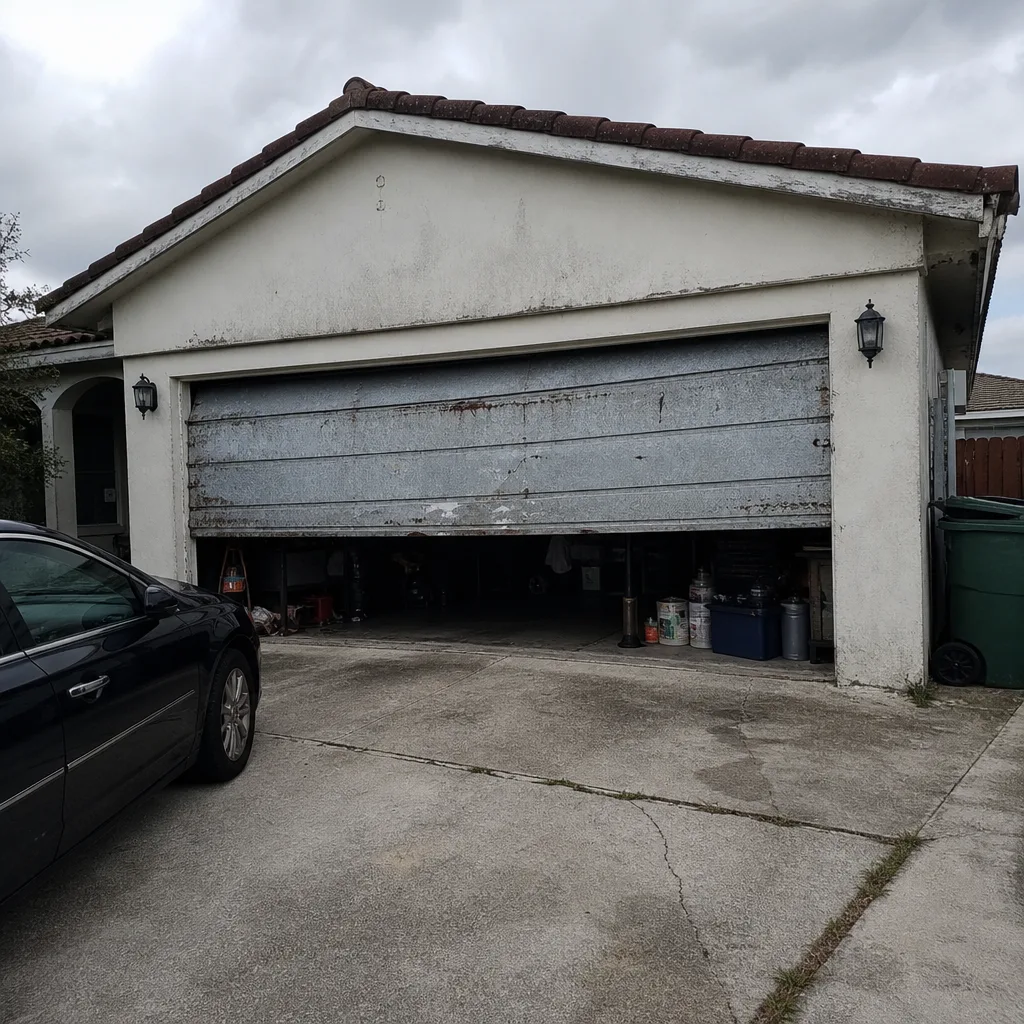 Before
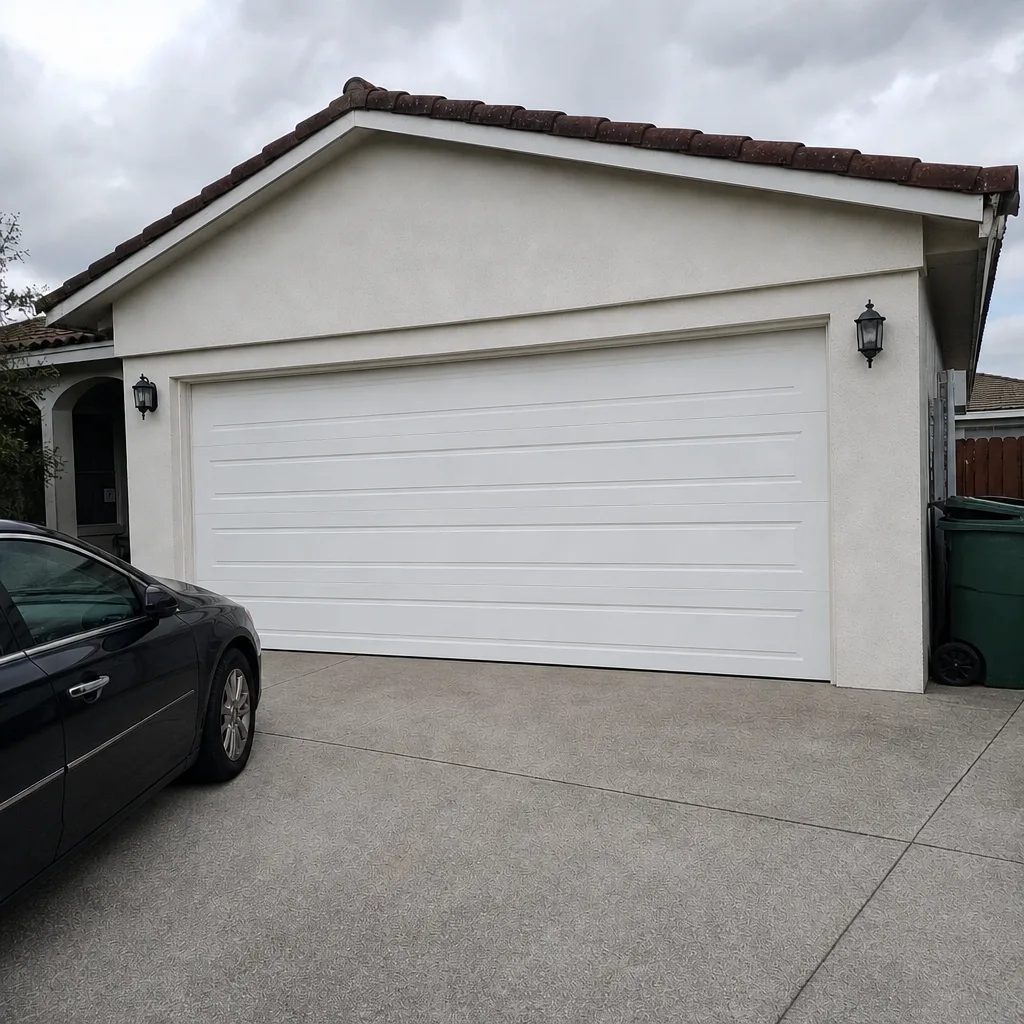 After
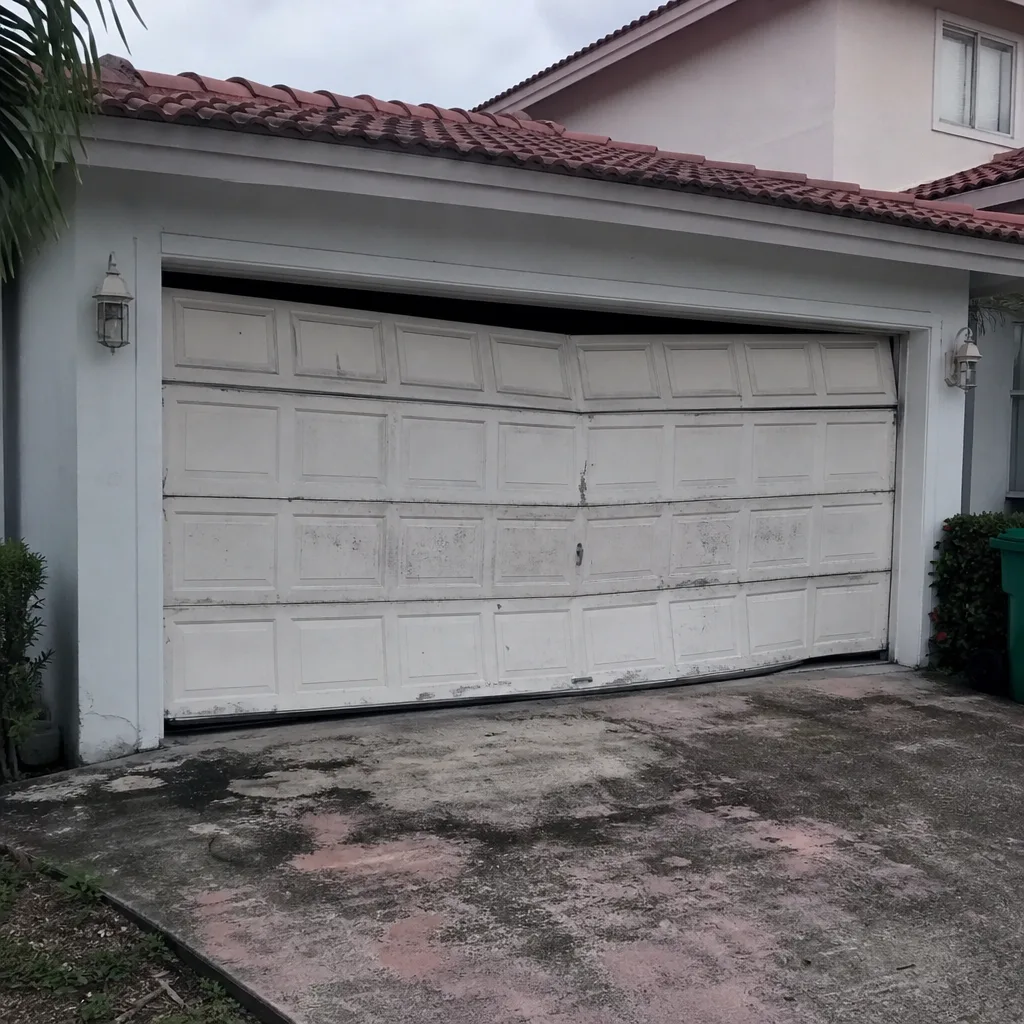 Before
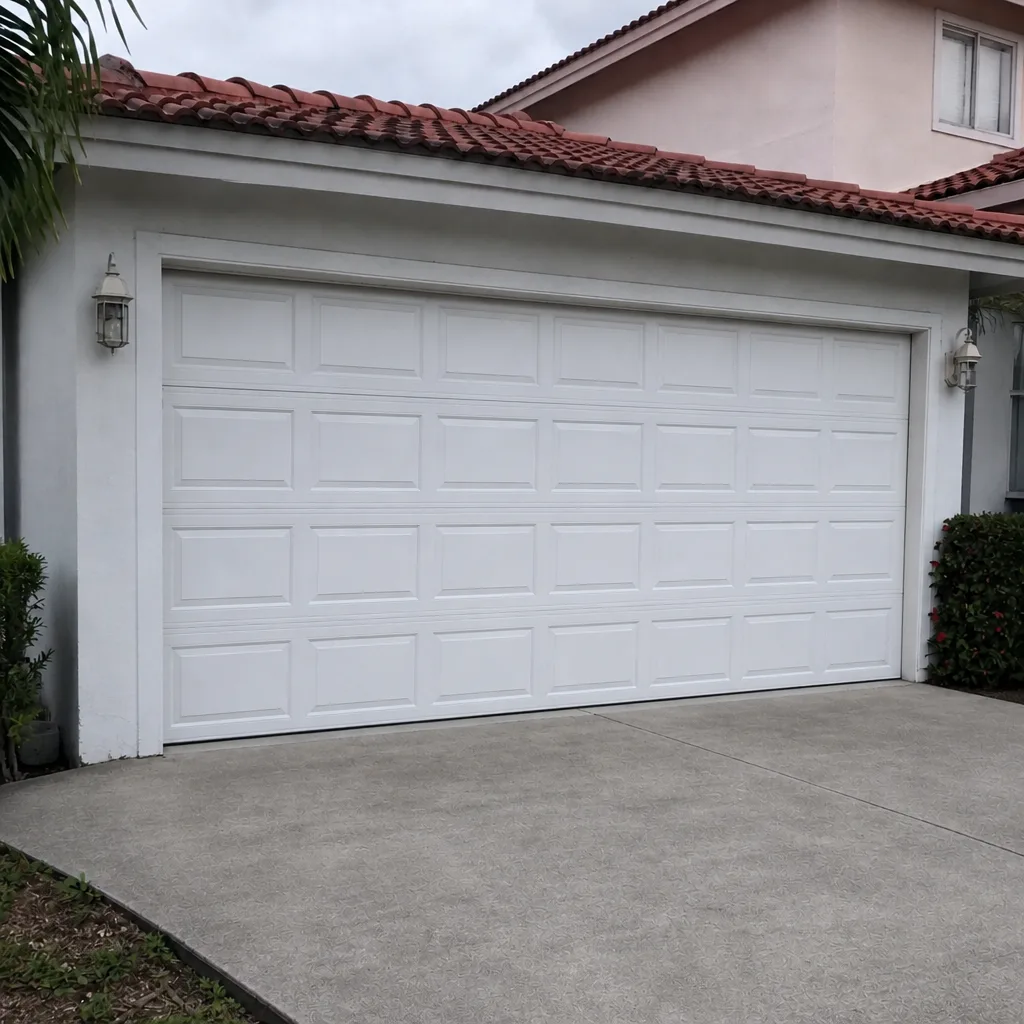 After
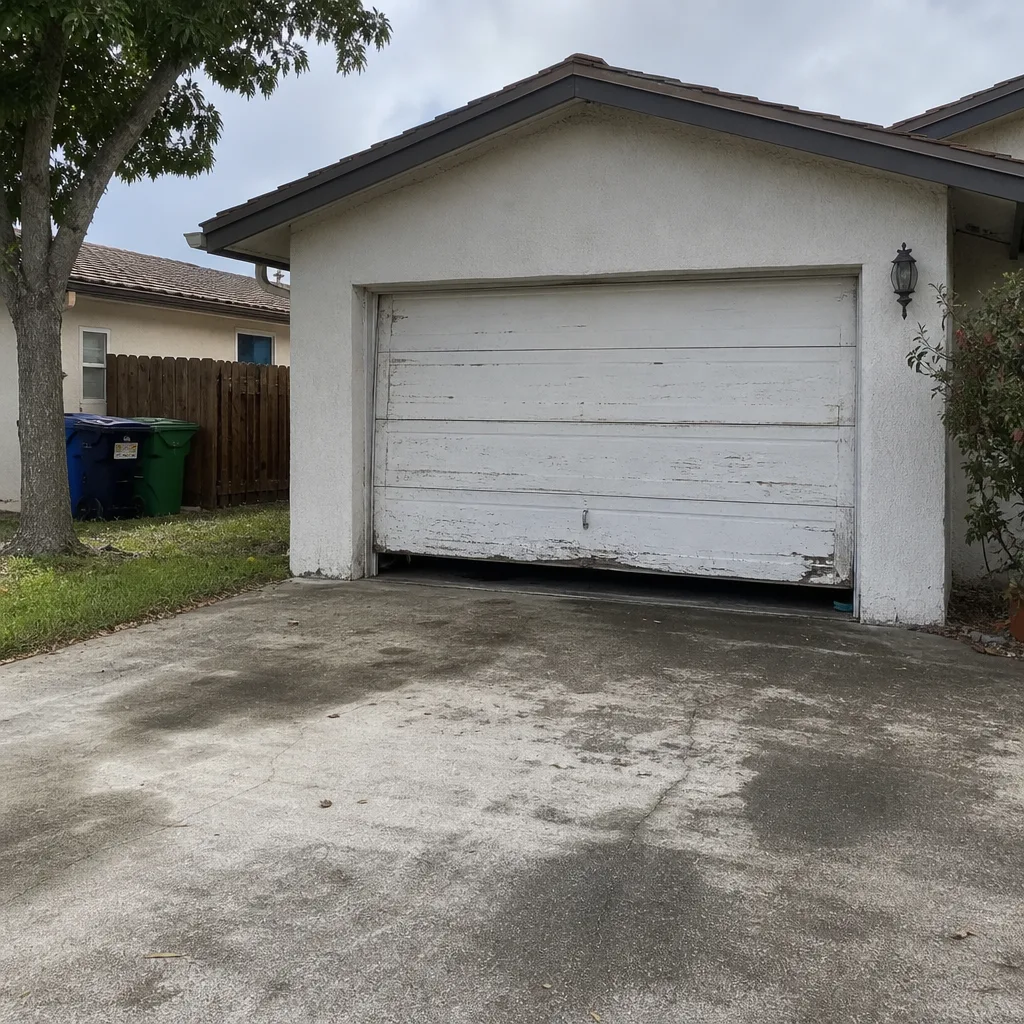 Before
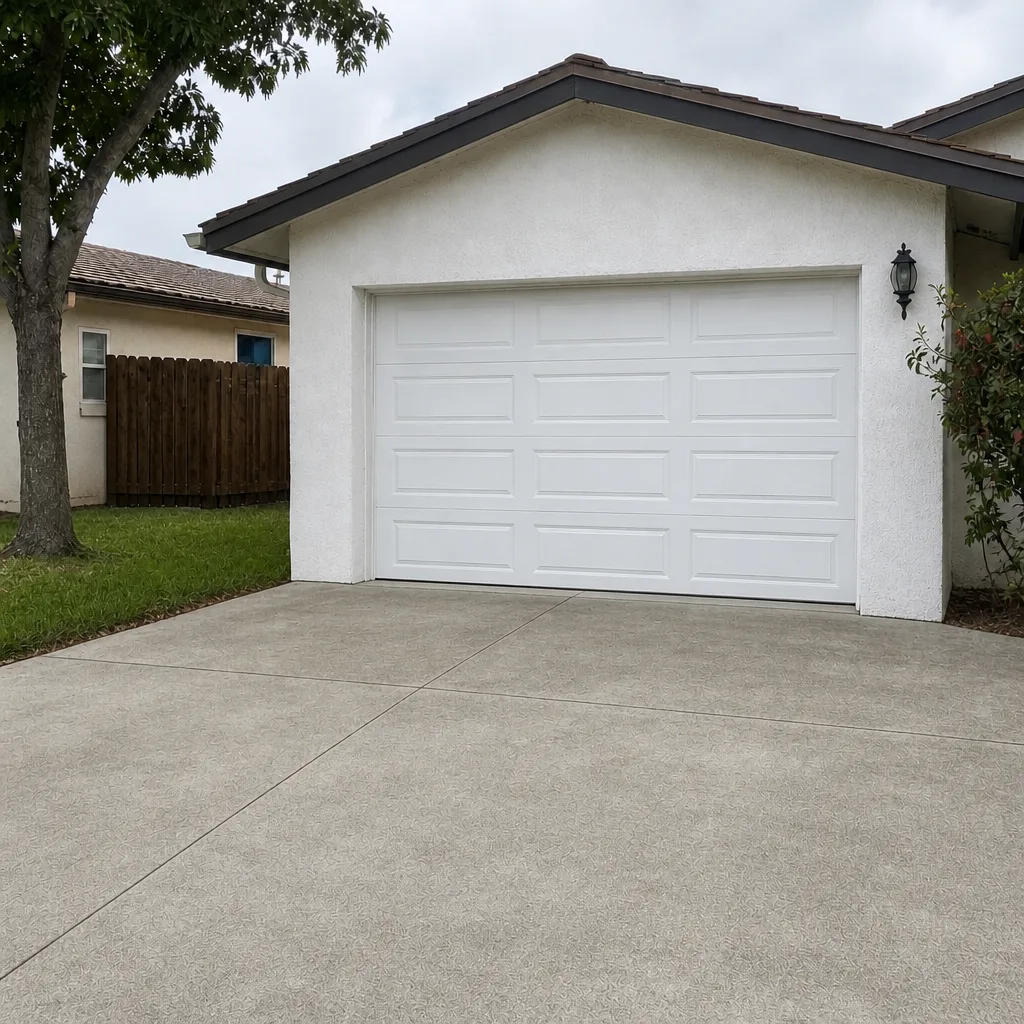 After
When to Call a Professional
Call a professional the moment a symptom involves a spring, a cable, the torsion assembly, or a door that has come off the track. Those are the scenarios where the risk of injury from doing it yourself outweighs any savings. Call us if the door reverses, stops halfway, or runs crooked after you’ve confirmed the sensors are clean and aligned. Call us if you hear a bang from the ceiling and the door won’t lift. Call us if the opener is silent with power at the outlet, or if the door works by hand but not by remote. And call us if the door has been getting heavier or noisier over the last month – that’s a symptom of an underlying mechanical problem, not an opener issue. Doral Garage Door Repair Co offers free estimates in Doral – call (866) 937-8410. When the door won’t move, we do.
Frequently Asked Questions
The most common cause is a tension imbalance – one spring carrying more load than the other – which makes the door tilt and the opener read an obstacle. Misaligned or dirty safety sensors are the second most common cause. Check that both sensor lights are steady and the lenses are clean; if they are, suspect the springs. Call (866) 937-8410 for a diagnosis – estimates are free.
Most repairs fall into a moderate range depending on the part: a single spring, a set of rollers, a sensor pair, or an opener logic board each sit at different price points. The written estimate you get before work starts is the final price – it doesn’t creep up once the technician is on site. Call (866) 937-8410 for a free, no-obligation estimate for your specific door.
For repair calls, yes – we dispatch fast, and emergency service is a core part of what we do, not a premium add-on. A broken door that blocks a car or leaves a home unsecured is urgent by definition, and we treat it that way. Call (866) 937-8410 and we’ll confirm timing.
No. It usually means the opener’s motor torque or travel limits are misadjusted, or the door’s mechanical resistance has increased from sticking rollers or humidity-swollen panels. The fix is to find and correct the real resistance, then re-tune the opener. A technician should do the tuning – cranking the force limit up yourself defeats a safety feature. Call (866) 937-8410.
Humidity swells wood panels, corrodes steel rollers and hinges, and fogs sensor lenses. Each of those increases the resistance the opener has to overcome, which trips torque limits and causes the door to stop or reverse. Twice-a-year lubrication with proper garage door grease prevents most of it. If the door is already binding, call (866) 937-8410 for a repair assessment.
The independent local professional we connect you with is licensed and insured as their state requires. We link you to vetted Doral-area specialists – not handymen who treat a garage door as one item on a long list. Call (866) 937-8410 with your door’s brand and symptom and we’ll match you to the right technician.
The Bottom Line
Troubleshooting a garage door is a matter of tracing symptoms to parts, not guessing at the part that looks most suspicious. A door that reverses before closing is more often a tension imbalance than a sensor fault. A door that works by hand but not by remote points to torque, not the door. A dead opener looks identical to a dead wall button or a tripped breaker until you test them in sequence. In Doral’s humidity, the parts that fail are the ones moisture reaches first – rollers, tracks, wood panels, sensor lenses – and twice-a-year lubrication prevents most of it. Springs, cables, and torsion assemblies go to a technician, every time. If you’re past the safe checks and need a real diagnosis, call (866) 937-8410 for a free estimate.
Written by the team at Doral Garage Door Repair Co.