Last updated November 23, 2026
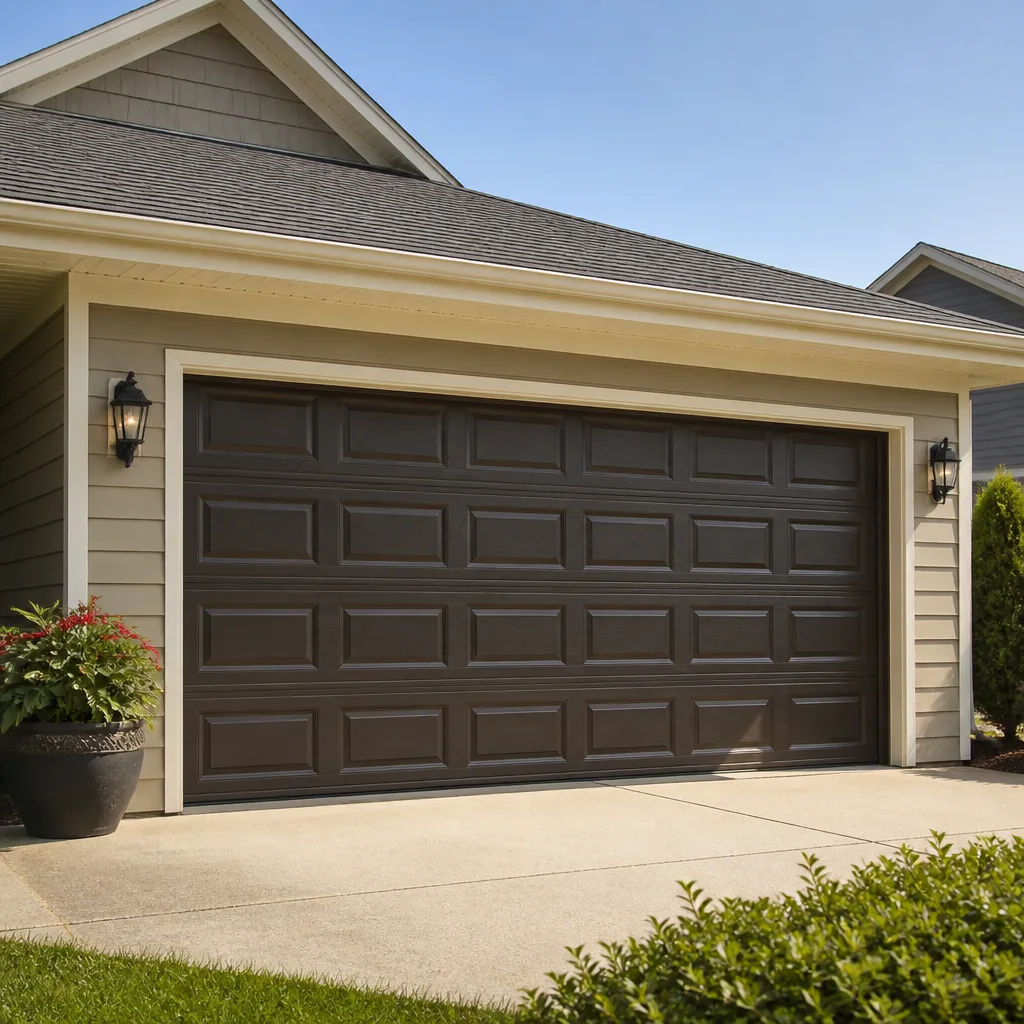 Raised-panel steel
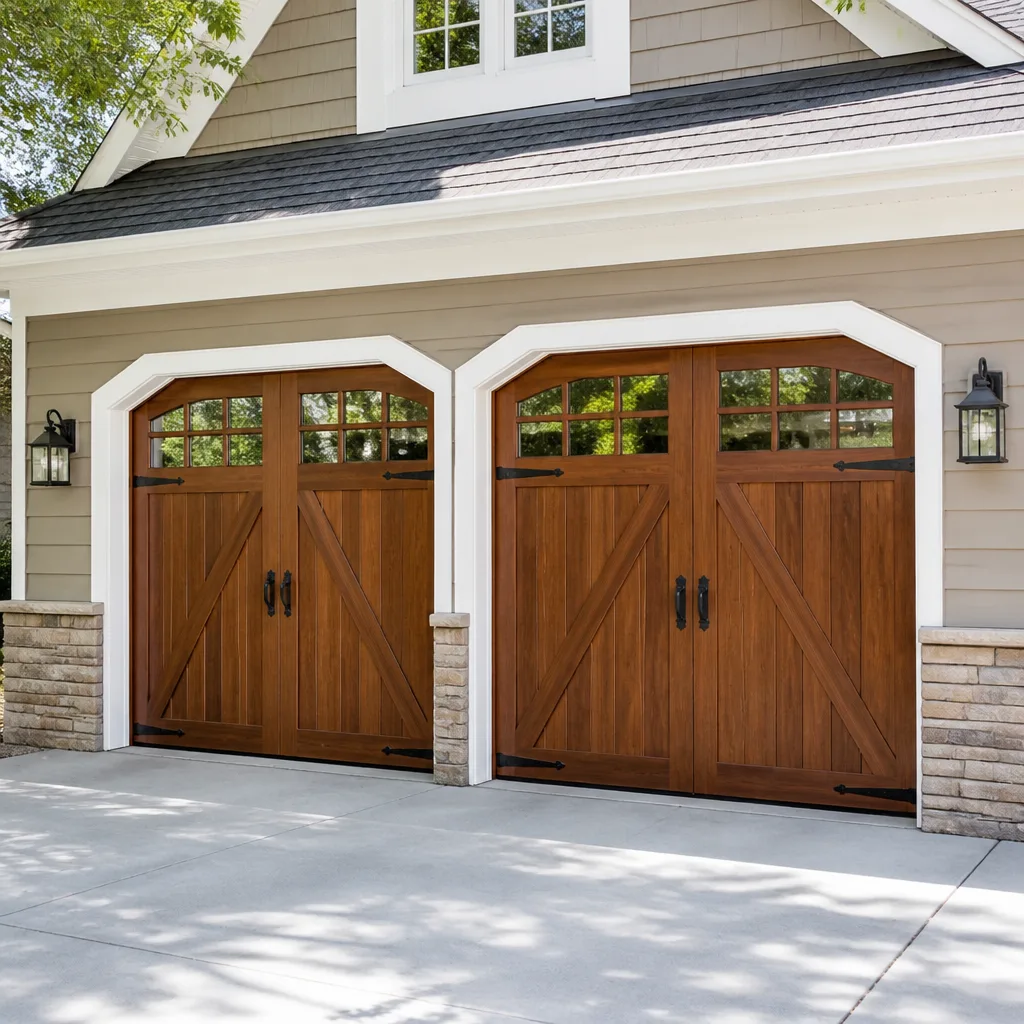 Carriage house
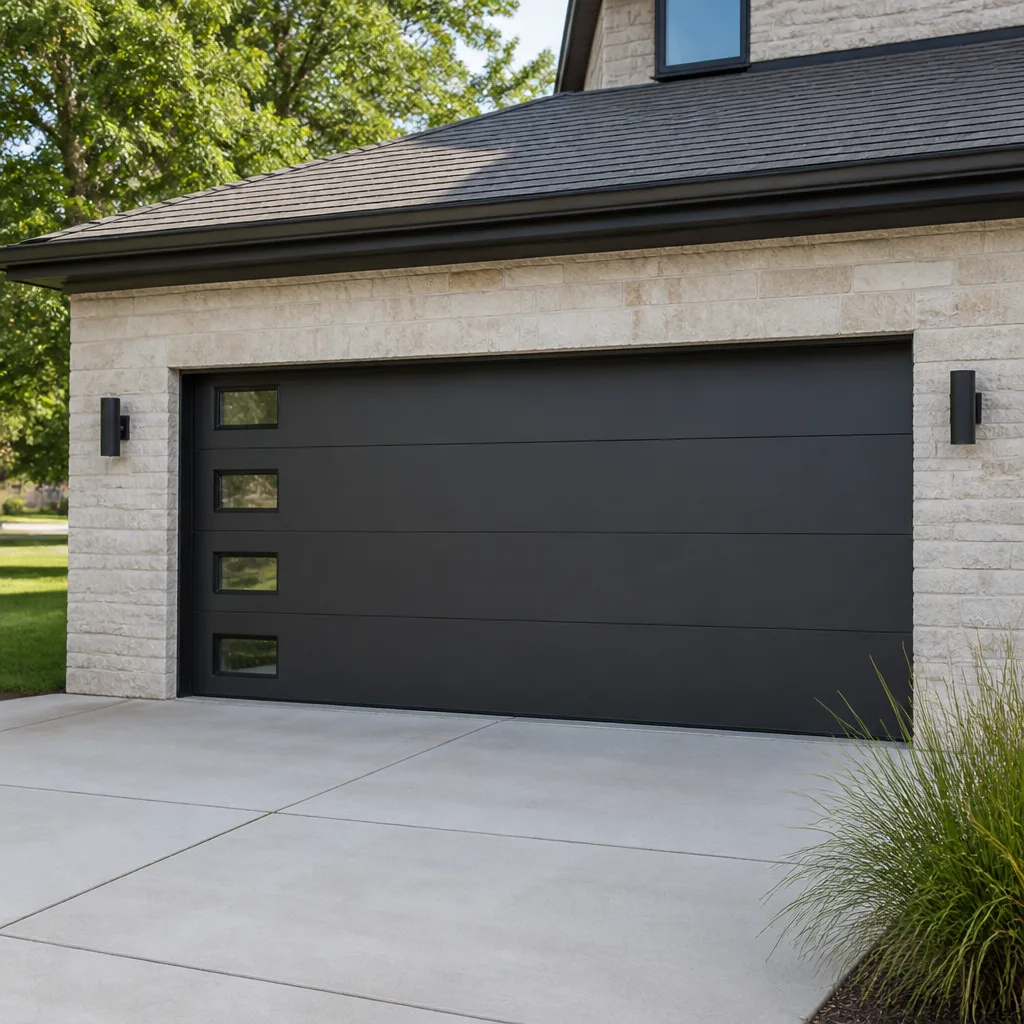 Modern flush
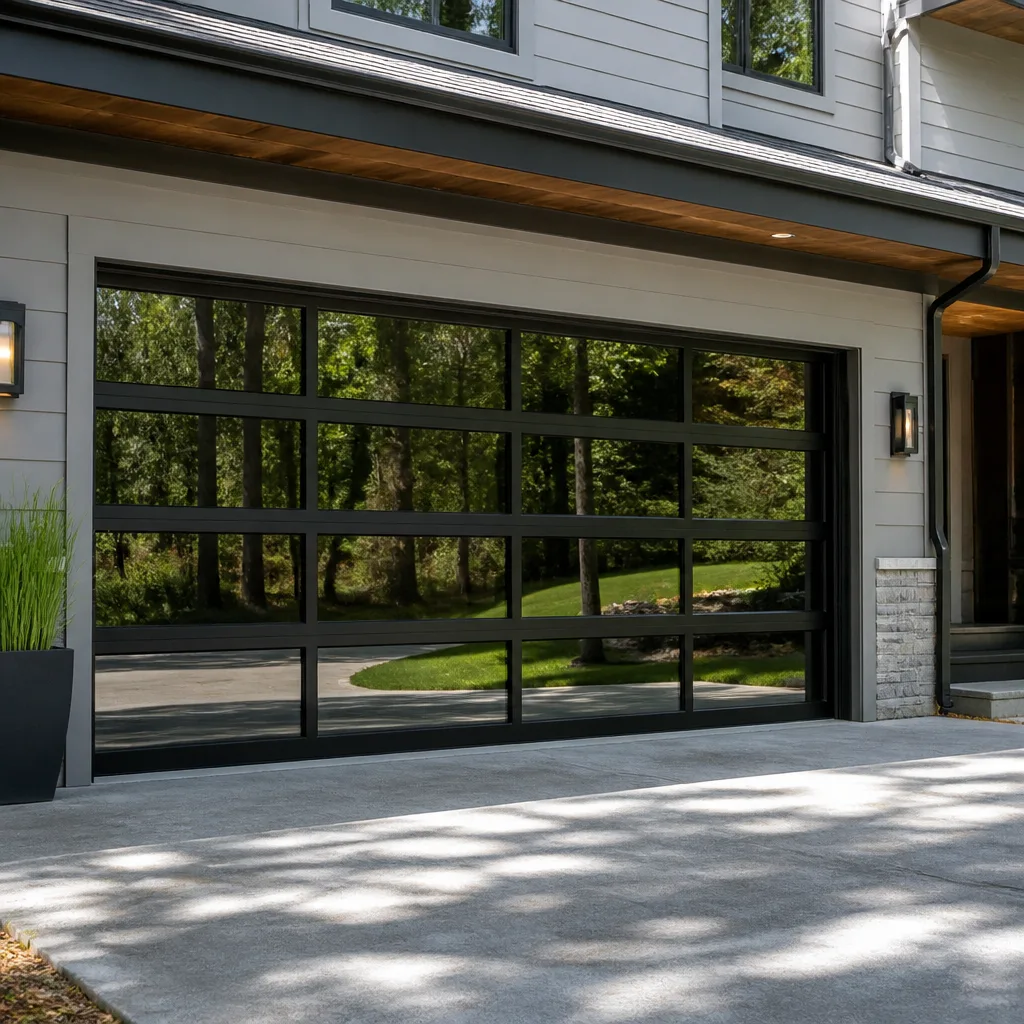 Full-view glass
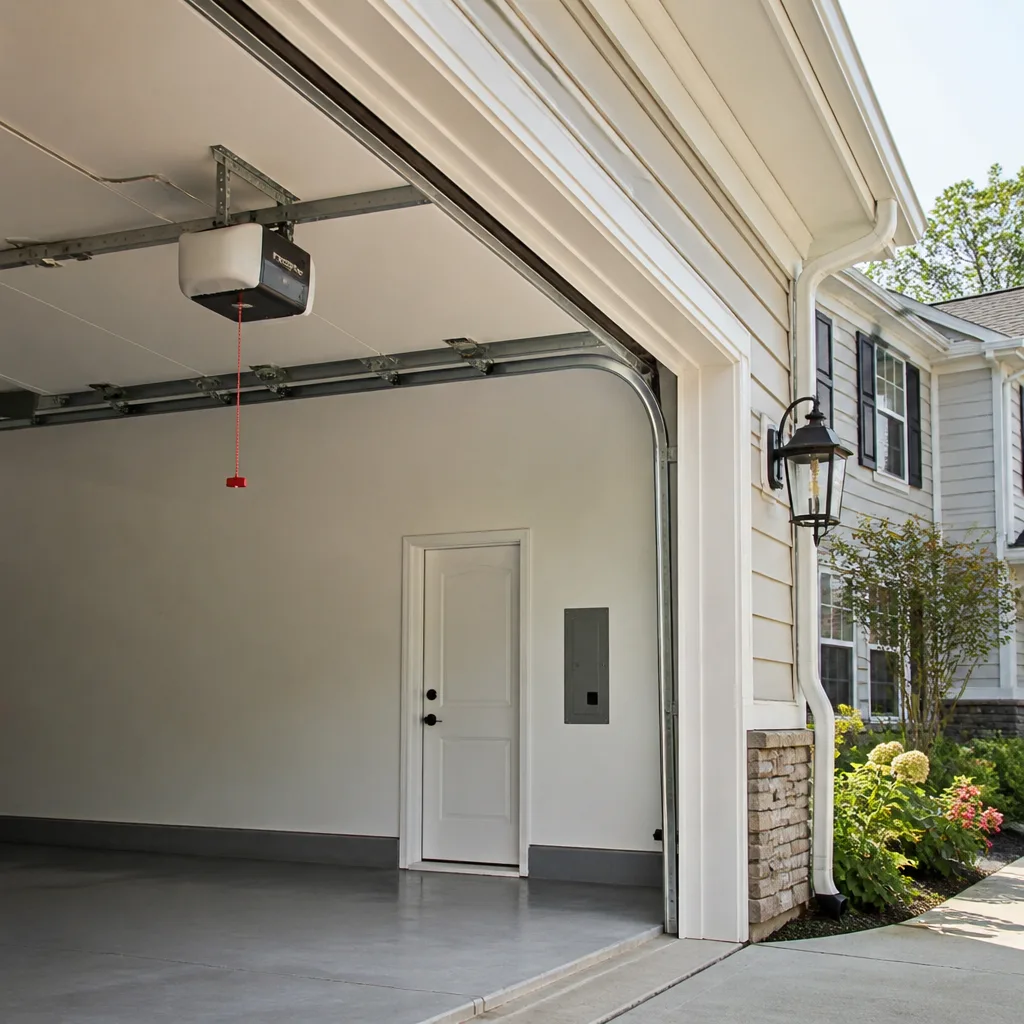 LiftMaster openers
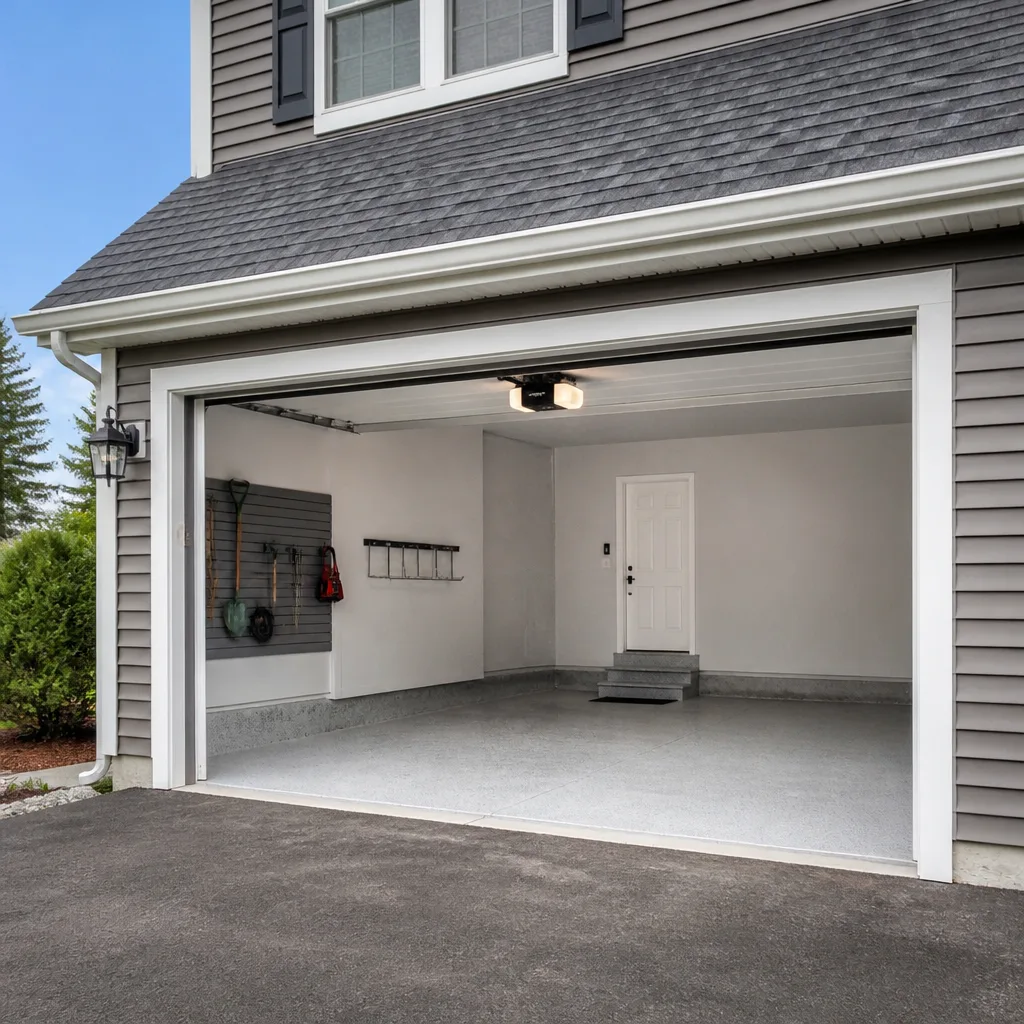 Chamberlain openers
Full 25-point door and opener safety check with every visit - springs, cables, rollers, tracks, and your LiftMaster or Chamberlain opener included
You get a price before we start. It does not change when the pro arrives.
Get your free estimateGarage Door Warning Signs: A Doral Homeowner’s Reference Guide
Most garage door failures announce themselves well before the door finally quits. The grinding noise you hear in the last six inches of closing is usually a cable drum telling you something is wrong with the cable tension. Wait a couple of weeks and that noise becomes a snapped cable, a door hanging off its tracks, and a repair bill several times the original fix. Homeowners ignore the early signals because they sound minor and the door still opens. This guide changes that. We break down what each sound, sight, and movement pattern means at the component level, which three signs mean stop using the door today, and how to document what you’re seeing so a technician arrives with the right parts. It’s written for Doral homeowners who’d rather catch a problem early than deal with a trapped car at 7 a.m.
Quick Answer
The most common garage door warning signs in Doral are grinding or squealing during operation, rust streaks and bubbling paint along the bottom section, a door that reverses before closing, and slow or uneven movement from one side. Three signs mean stop using the door immediately: a snapped torsion spring, a door that has come off its tracks, and any visible fraying on the lift cables. Every other symptom can usually wait for a scheduled visit, but the sooner you document it, the faster and cheaper the repair.
Styles & brands we work with
- Raised-panel steel
- Carriage house
- Modern flush
- Full-view glass
- LiftMaster openers
- Chamberlain openers
Table of Contents
- What the Sounds Are Telling You
- Visual Warning Signs Specific to Doral’s Climate
- Movement Symptoms: Opener Failure or Mechanical Failure?
- The Three Signs That Mean Stop Using the Door
- How to Document Warning Signs Before You Call
- Springs: The Component You Should Never Touch
- What Brand Fluency Means for Diagnosis
- Repair Now or Replace Later?
What the Sounds Are Telling You
A garage door makes noise. That’s normal. What matters is where in the cycle the noise happens, and whether it’s new. A door that has sounded the same for months is probably fine. A door that just started grinding during the last few inches of closing is not.
Grinding that shows up near the end of travel usually traces back to the cable drum. That’s the spool at the top corner where the lift cable winds and unwinds as the door moves. When it starts grinding, the cable is either miswinding on the drum or rubbing against a worn bracket. In our experience, this is the single most common early warning we see in Doral, and it’s also the one homeowners let slide the longest.
Squealing is different. A high-pitched squeal during travel usually points to a dry torsion spring, worn rollers, or a hinge that’s lost its lubrication. Squealing is often cosmetic in the early stages, but a dry spring is a spring under stress, and stress accelerates failure.
Popping sounds come in two flavors. A single sharp pop at the beginning or end of travel often means a torsion spring that’s slipped on its shaft, or a cable tensioning issue. Repeated popping during travel is usually a roller that’s jumped its track or a hinge that’s separated.
Rattling at the top of the door while it moves is almost always a loose opener rail, a worn trolley, or hardware that’s backed out over time. It’s the mildest symptom on this list, but rattling can also be the first sign that an opener’s chain or belt drive is wearing out.
Here’s a sound-to-cause quick reference you can keep on your phone:
- Grinding at the end of travel: cable drum, miswinding cable, worn bracket
- High-pitched squeal: dry torsion spring, worn rollers, dry hinges
- Sharp pop at start or end: spring slipped on shaft, cable tension loss
- Repeated popping during travel: roller off track, separated hinge
- Rattling at the top: loose opener rail, worn trolley, backed-out hardware
- Loud slam at closing: failed bottom seal, misadjusted travel limit
If you recognize any of these, don’t wait for the noise to get louder. A garage door repair visit on a grinding drum costs far less than a cable replacement after the cable snaps.
Visual Warning Signs Specific to Doral’s Climate
Doral’s weather does a specific kind of damage to garage doors that homeowners in drier or colder climates don’t see. Year-round humidity, heavy summer rain, and long stretches of UV exposure work on a door constantly. The warning signs show up visually first, long before anything fails mechanically.
Rust streaking on springs and hardware
Torsion springs are oil-tempered steel, and steel doesn’t love humidity. Look for orange-brown streaks running down the spring coil or staining the door below it. Light surface rust is cosmetic. Deeper pitting is not, because a rusted spring has less material to handle the same tension load, and springs fail under load. Any rust that you can feel with a fingernail is worth a professional look.
Bubbling or peeling along the bottom section
The bottom section takes the most moisture of any panel, especially if the door faces a driveway that pools water during summer storms. Look for bubbling paint, peeling edges, or a bottom seal that feels soft and spongy to the touch. A worn bottom seal lets water get under the door and into the panel’s core, which accelerates rot on wood doors and corrosion on steel ones.
Track corrosion patterns
Vertical tracks rust at the bottom first, where water splash-back hits them. Look for pitting, flaking paint, and dark streaks along the track’s inner face. Horizontal tracks corrode more slowly because they drain. A track with pitted rollers will wear them faster, so rust on the track often signals rollers that need attention too.
Warping and panel separation
Heat and humidity can warp a wood door over time, especially if the door faces direct afternoon sun. Look for gaps between sections at the top and bottom of each panel seam. A door that has warped no longer seals evenly and starts straining the opener every time it cycles.
If the door is a Clopay or Wayne Dalton steel model, these signs are especially worth catching early, since rust on a steel skin tends to travel inward once it starts. A garage door opener repair visit is the place to raise anything that looks like the opener is struggling with the extra load.
Movement Symptoms: Opener Failure or Mechanical Failure?
Movement problems are where homeowners guess wrong most often. A slow-closing door, a door that reverses mid-cycle, or one that closes unevenly can be caused by the opener, the door’s mechanical parts, or both. Getting this diagnosis right is the difference between replacing a circuit board and replacing a spring.
Here’s how to separate the two:
- Disconnect the door from the opener. Pull the manual release cord, then lift the door by hand. If it moves smoothly and stays balanced at the halfway point, the mechanical parts are healthy and the opener is the likely problem. If it’s heavy, sticky, or won’t stay put, the door itself is the issue.
- Watch the safety sensors. A door that reverses before closing is often a sensor issue, not a mechanical one. Look for the small LED indicator lights on each sensor. If one is off or flickering, the door is reversing for the right reason.
- Check the travel limits. If the door stops short of the floor or reverses right at the bottom, the opener’s travel limit is set wrong, or the force setting has drifted. This is an opener adjustment, not a door repair.
- Look for uneven closing. If one side reaches the floor before the other, the door is out of adjustment at the springs or cables. That’s mechanical, and it’s a professional fix.
One more symptom worth naming: a door that reverses only in the afternoon when the sun is hitting the sensors. That’s not a door problem at all, it’s sunlight confusing the photo-eye. Repositioning the sensor or shading it fixes a lot of those cases.
In our experience diagnosing Doral doors, opener failures are common but mechanical failures are undervalued. A worn roller or a spring that’s lost tension puts extra load on the opener, and the opener takes the blame. If you’re seeing repeated issues with a Genie or LiftMaster unit, the answer might be the door, not the motor.
The Three Signs That Mean Stop Using the Door
Most warning signs mean schedule a visit. Three of them mean stop what you’re doing and leave the door alone. These aren’t suggestions. They’re the difference between a routine repair and a serious injury.
1. A snapped torsion spring
When a torsion spring snaps, the door loses the counterbalance that holds its weight up. A double door can weigh well over 200 pounds. If the spring is broken, the door can come down hard and fast with no warning. The sound is usually a loud bang, and afterwards you’ll see a gap in the coil. Do not try to open the door by hand and do not try to operate the opener. Call for garage door spring repair and keep the car where it is until a technician arrives.
2. A door that has come off its tracks
Once a roller has jumped the track, the door is no longer guided. Running the opener against off-track rollers can bend the panels or drop the door entirely. If you see a gap between a roller and its track, or a panel that sits crooked, stop. Don’t try to force it back into place with a hammer or pry bar either, since the tension in the system can shift suddenly.
3. Frayed or broken lift cables
Lift cables carry the tension from the springs to the door. A cable with visible fraying, kinks, or broken strands is a cable that’s about to fail. Don’t run the door. A snapped cable can whip loose and cause serious injury, and the door loses its balance at the same moment. If you can see individual strands pulling apart, that’s a stop sign.
One safety note that matters here: high-tension springs, cables, and torsion assemblies store serious force. Working on them without the right tools and training is well known in the trades as one of the best ways to get hurt in a garage. Our technicians have up to 13 years of experience, and we still treat every spring and cable job as a safety job first. If anything on your door looks like one of these three problems, don’t test it. Call.
How to Document Warning Signs Before You Call
The 5 minutes you spend documenting what you’re seeing can save an hour in diagnosis. We ask customers to do this before they call, not because we can’t diagnose in person, but because it lets us bring the right parts on the first visit.
- Photograph the symptom. A close-up of a rust streak, a warped seam, or a frayed cable gives us the same starting point you have.
- Note the exact location. If the grinding happens at the last six inches of closing, say so. If it happens only at the start, say that instead. Timing is a diagnostic clue.
- Record a short video of the door cycling. Twenty seconds is plenty. We can usually hear or see the cause of a problem in the first pass.
- Note the door and opener brands. A Clopay door on an Amarr-spec track pairs differently than a Wayne Dalton. Knowing both brands upfront helps us plan.
- Write down when it started. “Two weeks ago” or “since Tuesday” tells us whether this is an acute failure or a slow decline.
- Check whether the door moves freely by hand. Pull the manual release and lift the door halfway. If it stays put, the balance is fine. If it sinks, it’s a mechanical problem.
When you call Doral Garage Door Repair Co with these notes, we can often identify the likely fix before we arrive. That means less time on-site and a more accurate estimate. It’s a small habit that pays off.
Springs: The Component You Should Never Touch
Torsion springs are the most dangerous component on a garage door, and they’re also the most commonly botched DIY repair. We’ve seen enough failed attempts to say plainly: this is not a job for homeowners. A torsion spring stores enough energy to cause serious injury, and the tools required to wind one safely aren’t tools most garages have.
Spring warning signs worth knowing:
- Loud bang from the garage: most likely a snapped spring, sometimes followed by the door not opening at all.
- Visible gap in the coil: a spring that has separated at one point on the coil.
- Rust pitting on the coil: a spring that’s losing material to corrosion.
- Door suddenly feels much heavier: the spring has lost tension but hasn’t broken.
- Door opens a foot and stops: the opener is lifting the door without spring help and hitting its limit.
Spring repair is a named service of ours for a reason. A lot of operators avoid it or outsource it. We handle it in-house because it’s the single most important repair on the door, and we don’t think a homeowner should have to wait on a subcontractor when a spring is broken.
What Brand Fluency Means for Diagnosis
Garage doors aren’t interchangeable. A brand-specific symptom on a Wayne Dalton isn’t the same as on a Genie, and the correct fix depends on the door’s setup. When a technician has to learn a brand on the spot, diagnosis time goes up, and the odds of a wrong-part second trip go up with it.
We’re factory-familiar with eight brands: LiftMaster, Chamberlain, Genie, Clopay, Amarr, Wayne Dalton, Craftsman, and Raynor. That covers most of what we see in Doral homes. It means when you describe what your door is doing, we already know the likely suspects on that setup. Clopay steel doors, for example, have predictable corrosion patterns along the bottom section. Amarr doors tend to be easier to diagnose at the tracks. Craftsman and LiftMaster openers share enough internal design that troubleshooting logic carries over.
For homeowners actively shopping for a new door, brand fluency also matters in the other direction. A garage door opener repair success story on a 12-year-old opener is worth celebrating, but not worth throwing money at if the door is at the end of its life. A specialist who knows the brands can tell you when repair has stopped making sense.
Repair Now or Replace Later?
The answer depends on three things: age of the door, frequency of repairs, and whether the symptoms are isolated or creeping.
A door that needs one repair after several years of quiet service is a repair. A door that has needed three repairs in the last two years, or one where the panels have started to warp and the springs are original, is a replacement conversation. There’s no single age threshold that works for every door, but a well-built Clopay or Amarr door that has been serviced regularly usually has far more repair life in it than a builder-grade door that hasn’t.
Warranty also matters. If your door or opener is still under manufacturer warranty, check the terms before authorizing a repair. Some repairs can void a warranty if they’re done with non-approved parts, and that’s a conversation worth having with the technician before work starts.
If the cost of a repair starts to approach the cost of a modest new door, and the door is already old or visibly tired, replacement usually wins. Our Doral Garage Door Repair Co team handles both sides of that decision, so you don’t get upsold on a replacement you don’t need and you don’t get patched along on a door that’s about to fail.
Common Mistakes to Avoid
- Ignoring a grinding noise until the door won’t close. The early fix is cheap. The late fix usually replaces the cable, drum, and sometimes the track. Same parts, three times the labor.
- Spraying a rusted spring with lubricant and calling it handled. Lubricant slows corrosion. It doesn’t restore the tensile strength the spring has already lost. A rusted spring needs replacement, not a refresh.
- Assuming a reversing door means the safety sensor failed. In Doral’s afternoon sun, photo-eyes can false-trigger on direct sunlight without any component failing. Repositioning the sensor often solves it without a repair.
- Forcing an off-track door back into place with a hammer. The door’s tension can shift suddenly, and the panel can twist or drop. If it’s off track, stop using it and call.
- Skipping maintenance during hurricane season. Door hardware loosens faster when it’s cycling more during storm prep. A spring check and a roller check before storm season goes a long way.
- Buying a replacement opener before diagnosing the door. A straining opener often means the door is out of balance, not that the motor is dying. New opener on a balance problem fails the same way the old one did.
- Hiring a handyman who treats garage doors as one item on a long list. Springs and cables are specialized work with real injury risk. A general contractor can hang a light fixture. They shouldn’t touch a torsion spring.
See the difference
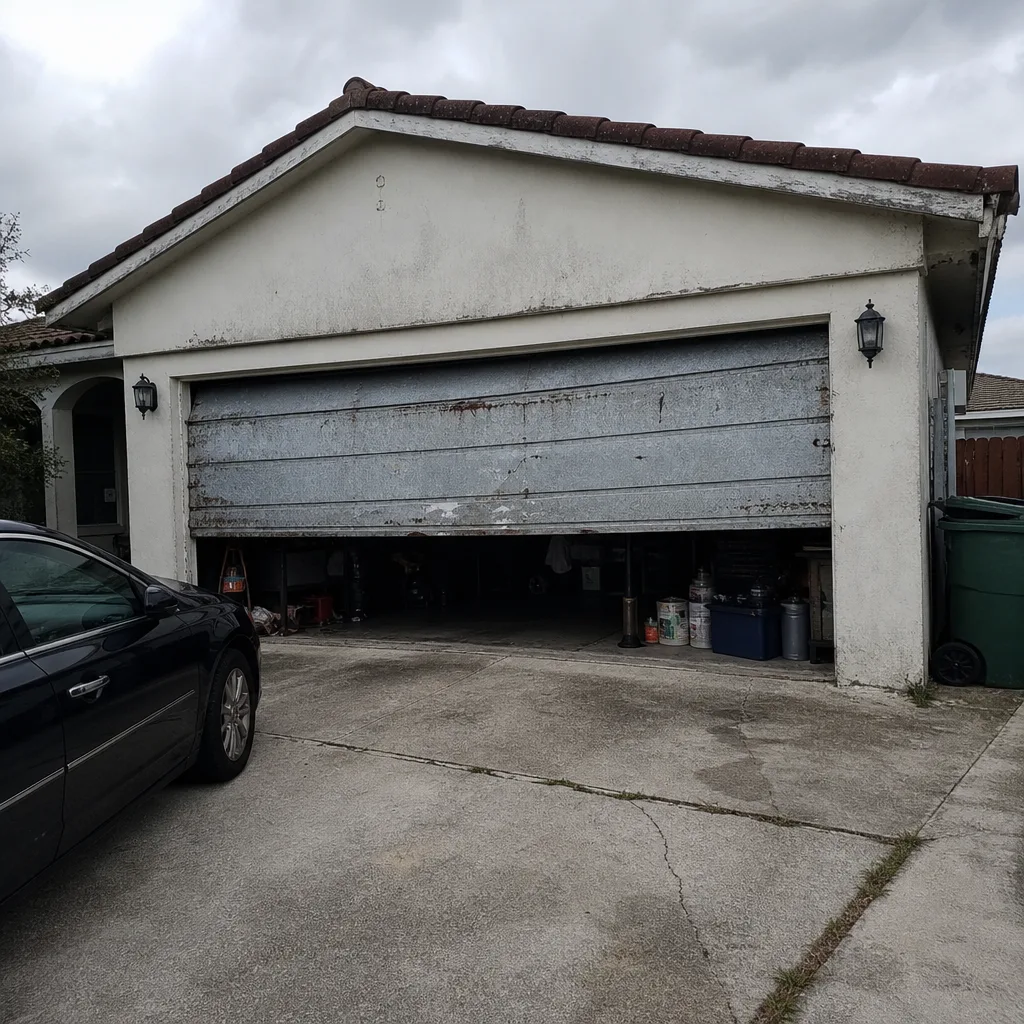 Before
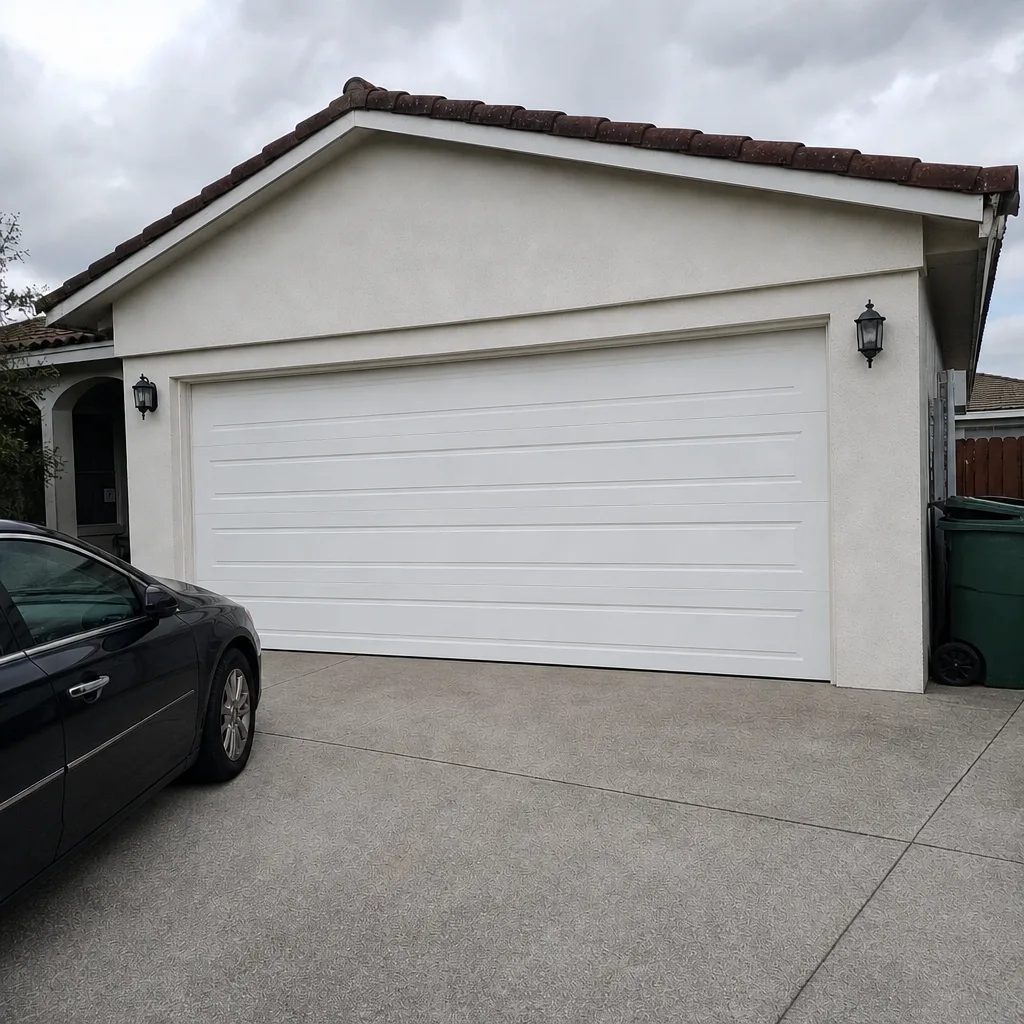 After
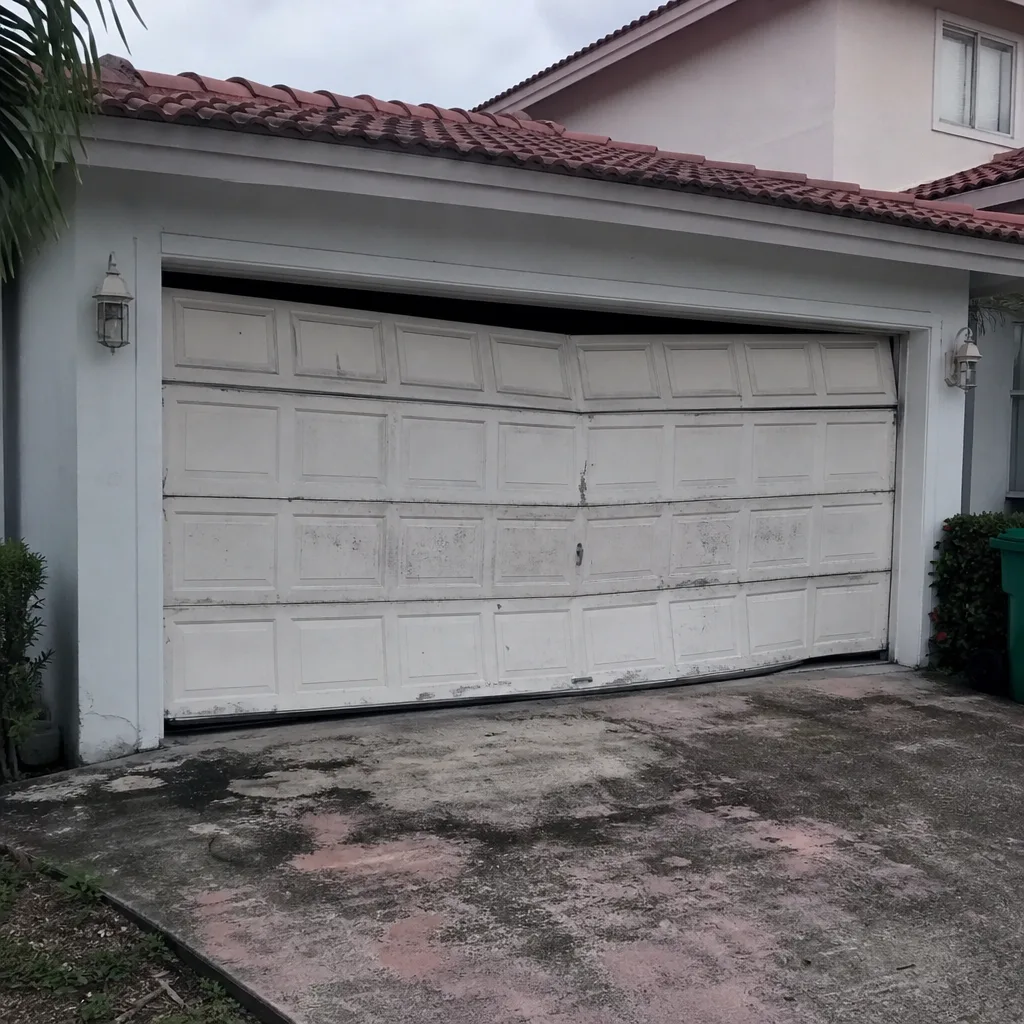 Before
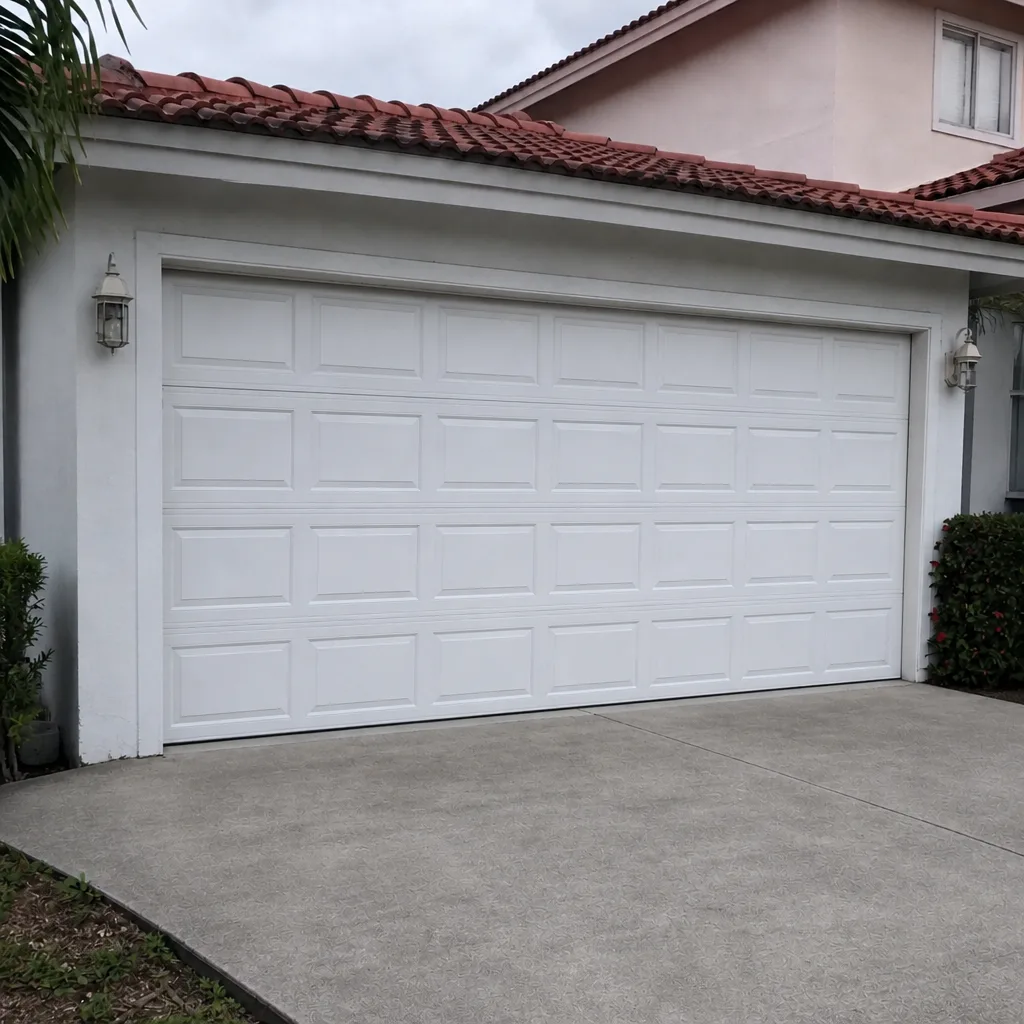 After
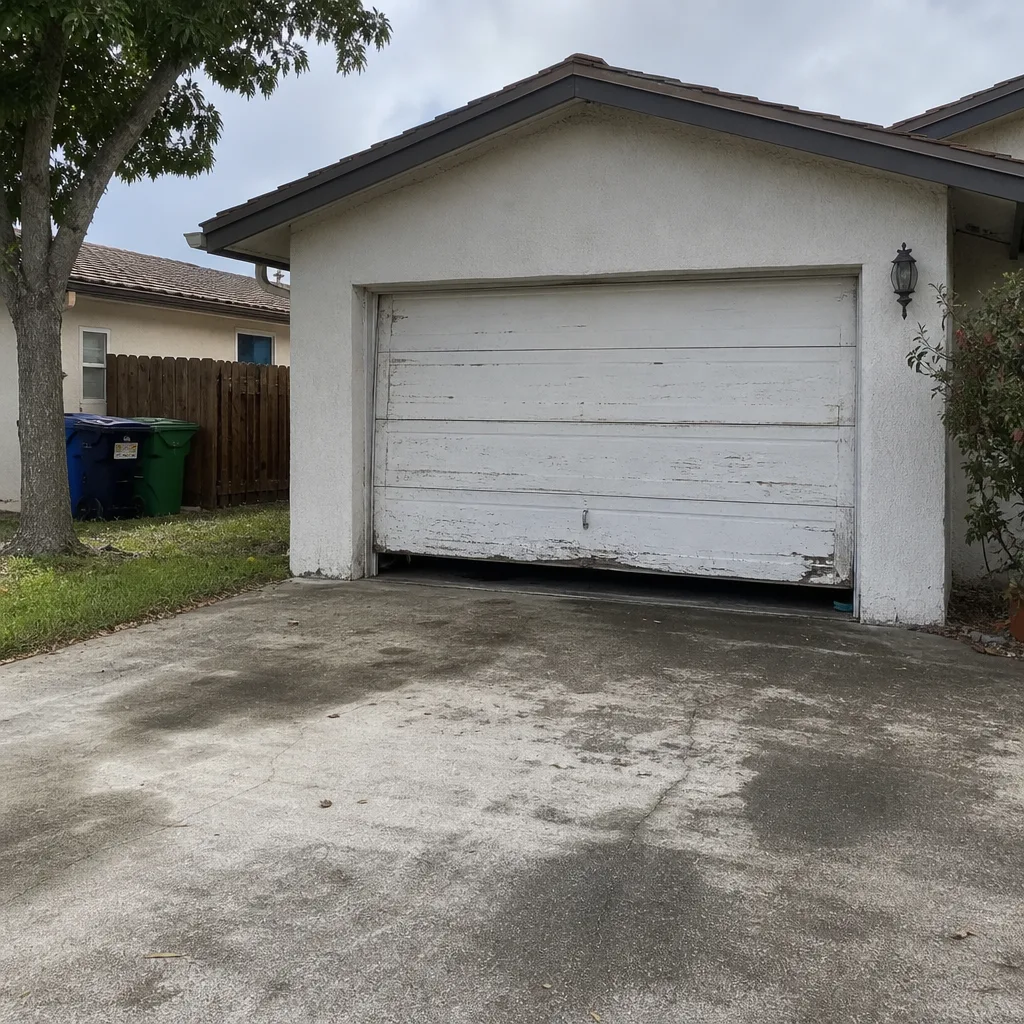 Before
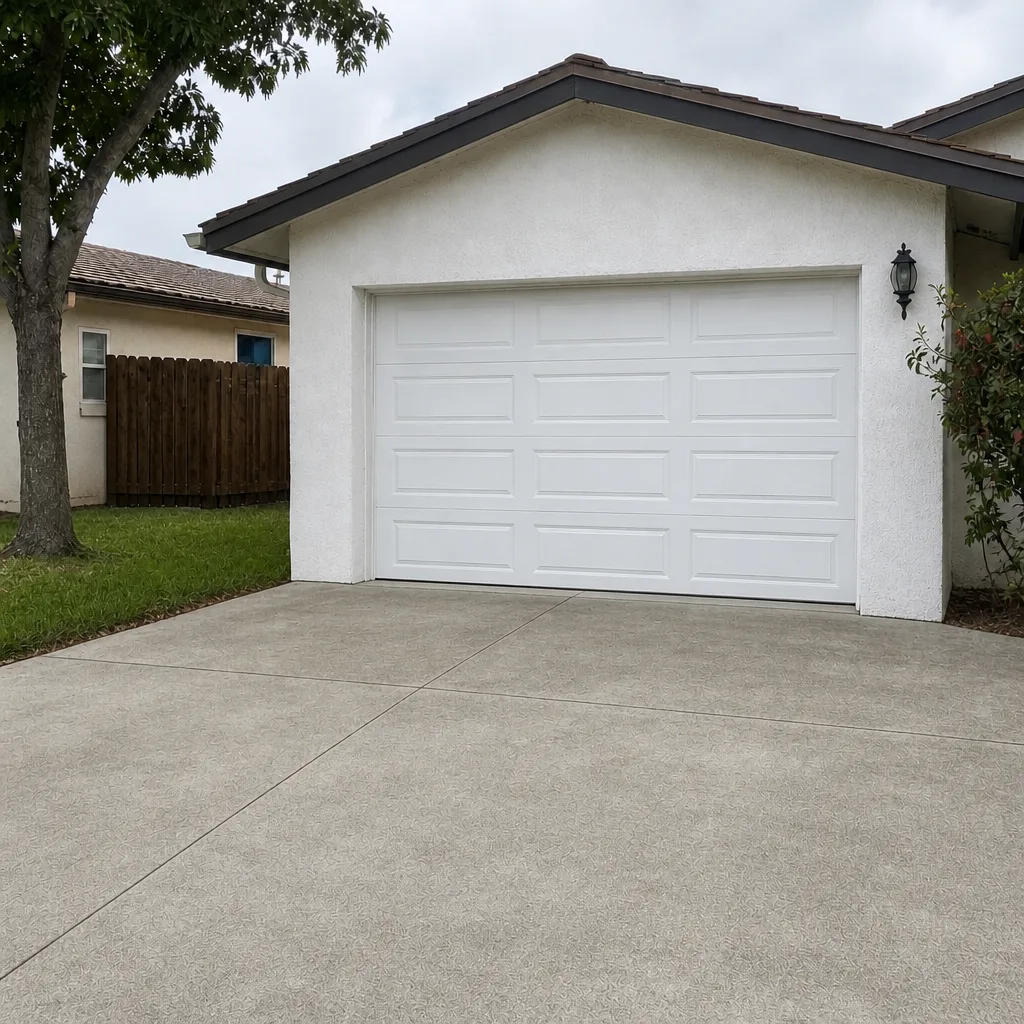 After
When to Call a Professional
Call when you see any of the three stop-use signs: a snapped spring, an off-track door, or a frayed cable. Call when a grinding noise has changed or gotten louder. Call when the door reverses, freezes halfway, or closes unevenly. Call when the opener is straining or the safety sensors won’t stay aligned. And call when a door has stopped responding entirely, especially if the door is your home’s main entrance from the car or a security point.
Emergency garage door service is an active offering of ours, not a premium add-on. When a door is blocked open or a car is trapped, that’s not a scheduled appointment, it’s a caller who needs help now. Doral Garage Door Repair Co offers free estimates in Doral. Call (866) 937-8410 to get on the schedule or start an emergency call.
Frequently Asked Questions
The most common warning signs are grinding during the last part of travel, a door that reverses before closing, rust streaks on springs, and slow or uneven movement from one side. Catching any one of these early usually turns a big repair into a small one. Call (866) 937-8410 for a free estimate on whatever you’re seeing.
You can, but you shouldn’t for long. Grinding at the end of travel is usually a cable drum or bracket issue, and continuing to use it accelerates wear on the cable and the drum. Schedule a visit within a week. If you hear a pop, stop using the door.
Pull the manual release cord and lift the door by hand. If it feels very heavy and won’t stay halfway up, it’s the spring. If it moves easily and stays balanced, the door is fine and the opener is the likely problem. Either way, call (866) 937-8410 to have a technician confirm.
Year-round humidity, heavy summer rain, and groundwater splash-back along the bottom section give steel springs and tracks steady exposure to moisture. Rust is slow, but it’s cumulative, and a rusted spring is weaker than a clean one. A quick visual check of the spring, the bottom section, and the vertical tracks every few months catches it early.
The local professionals we connect you with are licensed and insured as their state requires, and our technicians have up to 13 years of experience on garage doors and openers. Call (866) 937-8410 for an exact quote, and the price is agreed in writing before any work starts.
Same-day service is often possible for repair calls, and emergency service is a core offering. When your car is trapped or the door is stuck open, call (866) 937-8410 first and we’ll tell you what’s available. For a new door, that’s a scheduled measure and written quote, not a same-day job.
The Bottom Line
Nearly every garage door emergency starts with a warning sign that was ignored: a grinding drum, a popping spring, a rust streak on a coil, a door that reverses at the bottom. None of these require immediate panic. All of them require attention, and the sooner you document and call, the smaller the bill. In Doral’s climate, springs and tracks take a steady beating from humidity, so a quick visual check every few months is worth more than any repair discount you’ll ever find. If you’re seeing something on this list, get it looked at. Call Doral Garage Door Repair Co at (866) 937-8410 for a free estimate.
Written by the team at Doral Garage Door Repair Co.